Watch a Tokyo Bluegrass Band Show Off Japan’s Surprising Decades-Long Love for the Genre
Published August 7, 2026 · JAZZ
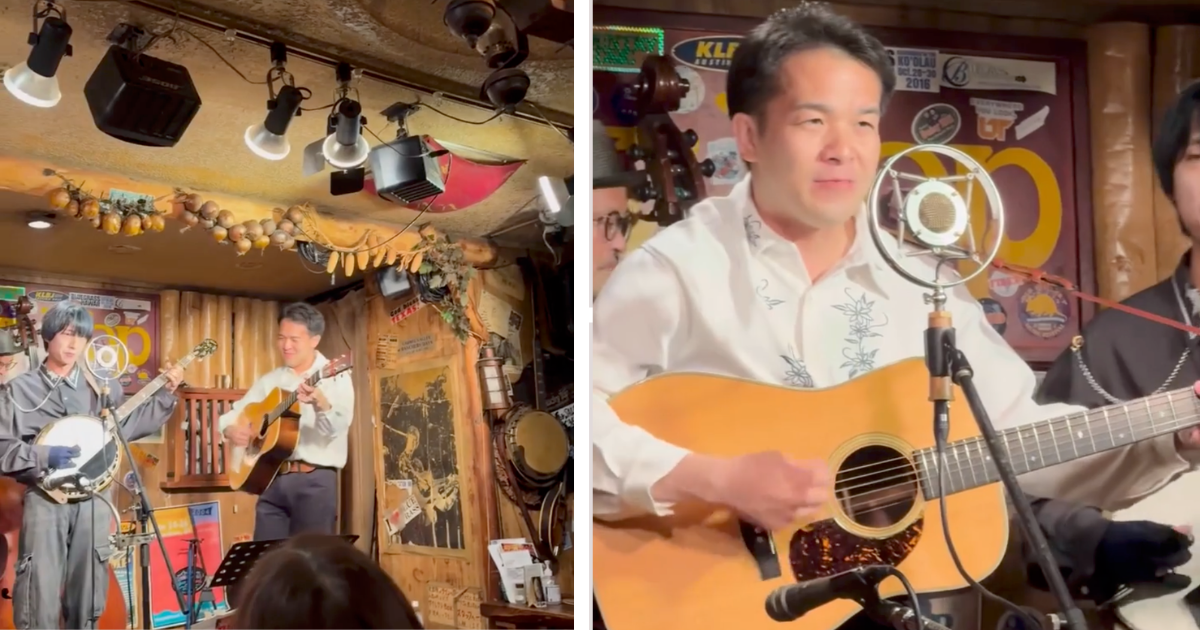
Watch a Tokyo Bluegrass Band Show Off Japan’s Surprising Decades-Long Love for the Genre View this post on Instagram A post shared by JOSE (@okay.josee) Bluegrass might be synonymous with the hills of Appalachia, but one cozy bar in the heart of Tokyo pro…
Bluegrass music, often associated with the Appalachian region in the United States, has found a dedicated following in an unexpected setting: Tokyo, Japan. Since the 1970s, the genre has taken root and flourished in the country, supported by committed musicians, venues, and festivals that have nurtured a thriving bluegrass community.
A recent viral video captured inside Rocky Top, a well-established bluegrass venue located in Tokyo’s Ginza district, has brought renewed attention to this cultural exchange. The footage, shared by travel content creator Jose (known as @okay.josee), features a dynamic live performance boasting traditional bluegrass instruments such as the banjo, fiddle, and upright bass. The musicians also display tight vocal harmonies, delivering a performance that resonates with both technical skill and emotional warmth.
Related stories

Rocky Top stands as a prominent hub for bluegrass enthusiasts in Japan, welcoming local artists and international performers alike. This venue exemplifies how bluegrass music in Japan has evolved beyond mere imitation, becoming a distinct expression that fuses Japanese sensibilities with Appalachian musical roots. The intimate atmosphere during performances, where audiences engage actively, underscores the genre’s ability to connect people across cultures.
The introduction of bluegrass to Japan dates back to the post-World War II era, when American records and radio broadcasts began circulating in the country. Over time, touring musicians from the United States also contributed to growing interest in the genre. Japanese musicians adopted intricate picking styles and vocal techniques characteristic of bluegrass, emphasizing live performance and community participation.
Throughout the decades, Japan has established one of the most substantial bluegrass scenes outside the United States. This includes not only performance venues but also dedicated festivals and clubs that celebrate the music and encourage its continued development. The persistent enthusiasm among Japanese bluegrass artists and fans illustrates the genre’s adaptability and universal appeal.
The recent surge in online visibility for Tokyo’s bluegrass scene highlights a broader phenomenon: musical traditions often transcend their places of origin and acquire new meanings in different cultural contexts. Like other genres that have traveled globally—such as jazz or reggae—bluegrass serves as a shared musical language that bridges geographic and cultural divides.
In the context of Tokyo’s Rocky Top, this cultural synthesis is evident in the spirited performances that capture both the precision and spontaneity valued in bluegrass. The venue and its artists embody how a distinctly American music form has been embraced and transformed by Japanese musicians, creating a unique, cross-cultural musical experience.
While the full scope of Japan’s bluegrass history and community remains a niche area, the ongoing vibrancy documented in venues like Rocky Top affirms the genre’s lasting impact. This evolving scene not only preserves traditional elements but also fosters innovation, ensuring bluegrass remains a living, global art form.
In summary, Japan’s decades-long engagement with bluegrass music reveals an enduring cultural dialogue between American roots music and Japanese artistry. The viral exposure of Tokyo’s bluegrass performances invites a deeper appreciation for how music can transcend borders, adapting and thriving in new environments while honoring its origins.
Full story & global impact
This article was synthesized and rewritten by MusicTop Editorial from reporting published by mymodernmet.com. Read the publisher's report for the complete source context.
Read original source: mymodernmet.com