Edinburgh International Festival Director & Famed Violinist Nicola Benedetti on the Power of Art
Published August 10, 2026 · JAZZ
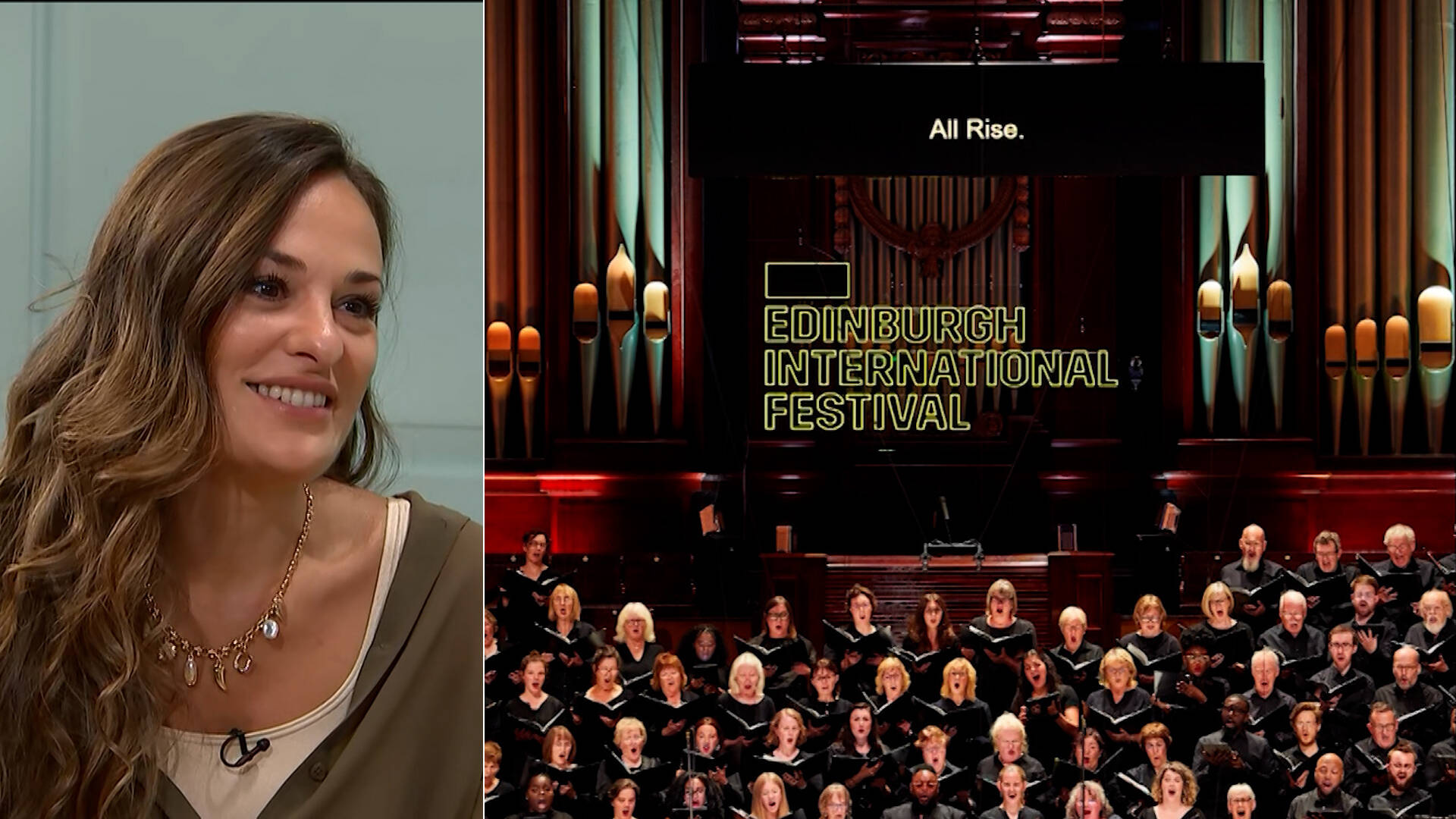
Democracy Now! is broadcasting from Scotland at the Edinburgh International Festival, which features music, opera, theater and dance and is one of Europe’s biggest arts festivals. We are joined by the acclaimed Scottish violinist Nicola Benedetti, one of the …
The Edinburgh International Festival continues to stand as a beacon of cultural exchange and artistic collaboration under the leadership of Nicola Benedetti, a renowned Scottish violinist and the festival’s director since 2022. Benedetti, who is both the first woman and the first Scottish artist to hold this prestigious role, is guiding the festival through a transformative period, mindful of its origins and the broader social impact of the arts.
Founded in the aftermath of World War II, the Edinburgh International Festival was conceived not only as a showcase for music, theater, dance, and opera but also as a platform for reconciliation and international unity. This humanitarian mission remains central to the festival’s ethos, fostering a space where former adversaries—such as Jewish and ex-Nazi performers—could come together on stage as a symbol of healing and mutual respect.
Related stories

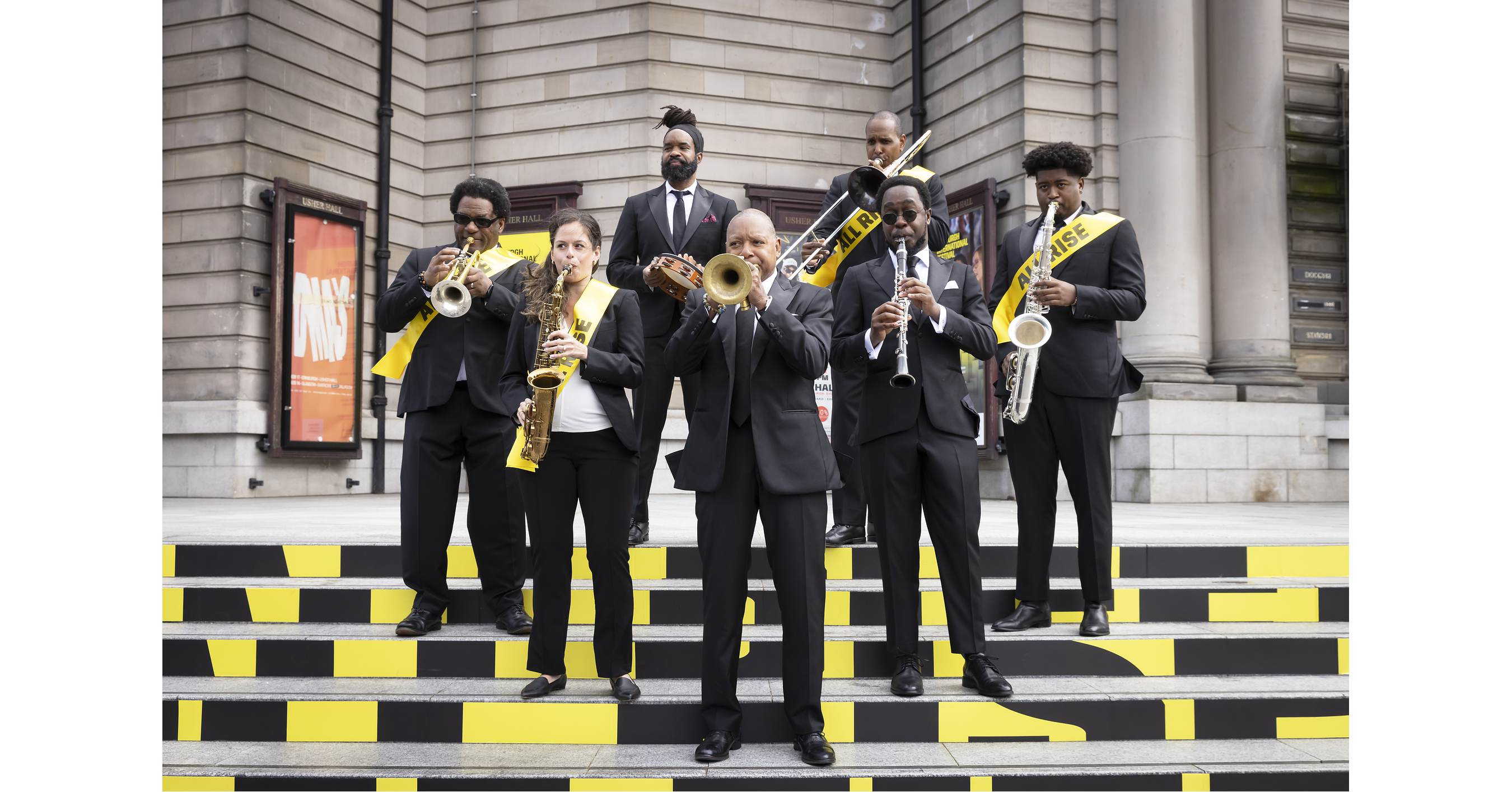
Benedetti’s vision honors this legacy by curating a program that intertwines artistic excellence with profound historical and political reflection. The 2023 festival, themed “All Rise,” marks the 250th anniversary of the American Revolution and explores the complex narratives that have shaped the United States. Rather than offering a purely celebratory account, the festival presents a nuanced perspective that recognizes both the achievements and the profound challenges experienced throughout American history.
This year’s program features the largest representation of American artists in the festival’s nearly eight-decade history. A highlight was the large-scale performance at the Usher Hall, where over 300 musicians, including the Scottish Symphony Chorus and Jazz at Lincoln Center, collaborated on a work composed by Wynton Marsalis. This piece articulates the cyclical nature of human experience—birth, death, struggle, and triumph—while drawing on the diverse musical heritage of the Americas.
Benedetti emphasizes the importance of confronting difficult truths alongside celebration. The festival integrates artistic presentations with educational and commemorative components, such as the international debut of Bryan Stevenson’s “Legacy of Slavery” exhibition. Stevenson, an influential advocate for racial justice, brings this exhibit from the United States to Scotland, underscoring the enduring impact of America’s history of slavery and its relevance to contemporary dialogues on oppression and reconciliation.
The festival’s commitment to addressing themes of injustice extends to theatrical works as well. Brazilian actor and filmmaker Wagner Moura’s production "A Trial—after An Enemy of the People" is a poignant exploration of authoritarianism and societal injustice, resonating with global concerns about democracy and human rights. Moura’s presence at the festival highlights the event’s international scope and its engagement with urgent political issues through artistic expression.
Set against the backdrop of Adam Smith’s historic residence in Edinburgh, where the festival events are hosted, the programming also resonates with Smith’s ideas on moral sentiment and human interconnectedness. This connection reinforces the festival’s aspiration to unite diverse audiences and artists around shared human experiences and ethical reflection.
Under Benedetti’s direction, the Edinburgh International Festival continues to leverage the power of the arts not only to entertain but also to provoke thought, foster empathy, and inspire change. The festival’s multidisciplinary approach encourages dialogue and understanding, affirming art’s potential as a catalyst for social progress and international solidarity.
As Benedetti navigates her role as one of the festival’s youngest directors, her leadership reflects both reverence for tradition and a forward-looking commitment to inclusivity and relevance. The ongoing dialogue between history and contemporary issues embedded in this year’s programming affirms the festival’s place as a vital cultural institution in Europe and beyond.
Through this convergence of music, theater, dance, and critical reflection, the Edinburgh International Festival under Nicola Benedetti’s stewardship exemplifies how art can illuminate complex narratives, challenge prevailing perspectives, and ultimately contribute to a more just and compassionate world.
Full story & global impact
This article was synthesized and rewritten by MusicTop Editorial from reporting published by democracynow.org. Read the publisher's report for the complete source context.
Read original source: democracynow.org