‘Star Wars: Visions’ Director Shinya Ohira On Animating A Stormtrooper’s Psychological Collapse In ‘Black’ (EXCLUSIVE BTS)
Published August 14, 2026 · JAZZ
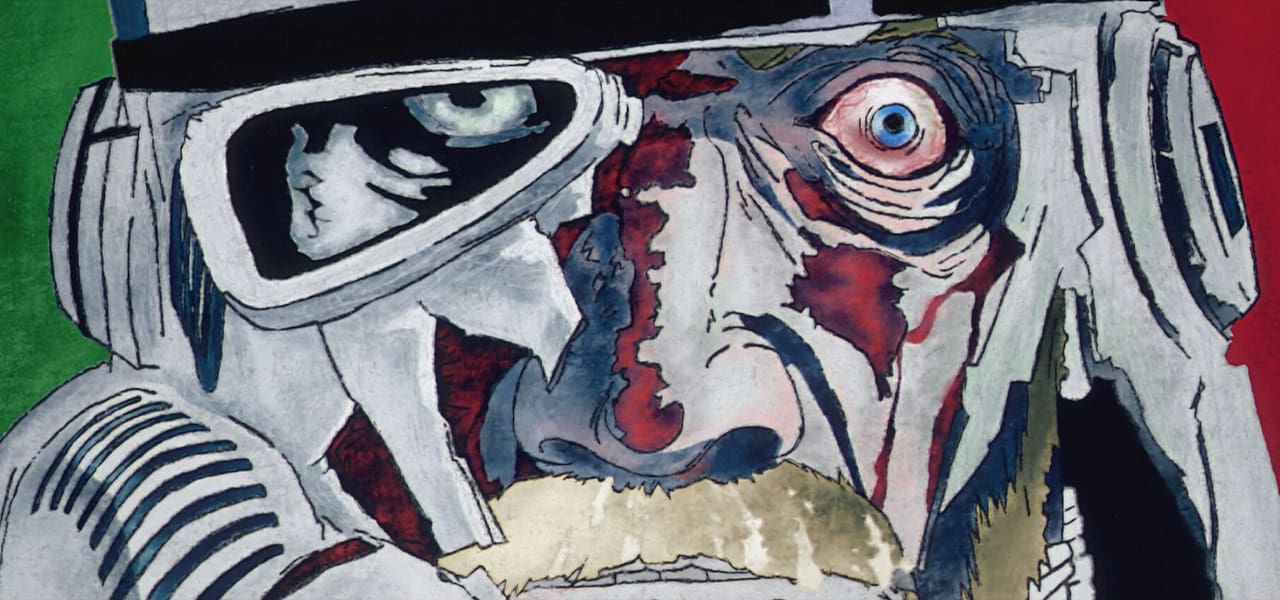
Director Shinya Ohira discusses the full-animation approach, jazz score, and international crew behind his Emmy-nominated 'Star Wars: Visions' short “BLACK.”
Within the Star Wars anthology "Visions Volume 3," the short film “BLACK,” directed by veteran animator Shinya Ohira, presents a compelling departure from traditional franchise battle narratives. Rather than depicting external conflict or clear ideological clashes, this Emmy-nominated piece immerses viewers into the fractured mental state of an Imperial stormtrooper during the Death Star’s destruction, exploring themes of memory, guilt, and psychological breakdown.
Unlike typical Star Wars sequences that emphasize physical combat and allegiance, “BLACK” adopts an entirely subjective viewpoint, trapping audiences inside the protagonist’s deteriorating consciousness. The narrative unfolds without dialogue, relying on a deliberately impressionistic and often disorienting visual style that distorts and stretches figures to mirror the protagonist’s emotional turbulence. This approach earned the short selection in the main competition at the Annecy International Animation Film Festival and recognition by Variety as a standout short film.
Related stories

Ohira, whose animation credentials include titles like Akira and Spirited Away, teamed with david production to realize a visually dense and expressive work. The short’s aesthetic challenges conventional animation methods by employing full animation—a frame-by-frame redrawing technique—to maintain a fluid, shifting point of view. Here, the stormtrooper essentially functions as the camera, navigating complex three-dimensional spaces that require constant recalibration of perspective for every character and background element. This method contrasts with the industry’s typical use of compositing techniques that simulate movement through static background manipulation.
The production’s ambition extended to its international crew, assembled through organic outreach via social media platforms like X. Ohira identified animators whose individual styles resonated with his vision, inviting artists from across the globe, including China, the UK, France, Germany, Austria, Australia, Poland, and the Philippines. Notably, several contributors were emerging talents or students who took responsibility for entire sequences, demonstrating exceptional skill and adaptability to Ohira’s expressive and fluid animation style.
Central to the film’s emotional landscape is the interaction between the frenetic visuals and its soundtrack, composed by singer-songwriter Sakura Fujiwara. The jazz score evolves from a repetitive rhythm into an energetic swing, crafting a deliberate contrast to the violent and traumatic imagery onscreen. The music’s shifting tempo guided the timing and movement within the animation, reinforcing the protagonist's psychological unraveling while also providing moments of respite that reflect his memories and eventual demise.
The narrative structure of “BLACK” eschews conventional storytelling clarity, favoring an ambiguous portrayal of identity and allegiance that invites viewers to inhabit the trooper’s conflicted psyche. The character’s gradual mental collapse is mirrored in the relentless, shifting camera work and the abstracted visuals, offering no easy answers but fostering empathy for a figure traditionally depicted as an anonymous enforcer. Moments of softer lighting and color punctuate the short, signaling brief returns to the protagonist’s peaceful past and his final moments.
Among the nine scenes making up the film, the second stands out as particularly pivotal. It introduces a metaphysical battle where the protagonist confronts an alter ego, encapsulating the internal struggle at the story’s core. This sequence, originally conceived during early concept art stages, visually intertwines symbolic colors and intensifies the thematic exploration of identity and exhaustion.
From a production standpoint, the complete frame-by-frame animation and the subjective point-of-view approach presented significant technical challenges. The team avoided relying heavily on computer-generated imagery or compositing shortcuts, opting instead for painstaking manual redrawing to maintain the film’s immersive and fluid perspective shifts. This technique allowed “BLACK” to transform the iconic destruction of the Death Star into an intimate, internalized experience rather than a conventional spectacle.
Ohira’s collaboration with a diverse, largely new team of animators brought fresh energy and innovation to the project. Many participants had not previously worked in the industry, yet their contributions helped achieve a visual density and emotional resonance that exceeded initial expectations. The director expressed enthusiasm about future collaborations with this international collective, highlighting the unique synergy developed throughout production.
Ultimately, “BLACK” stands as a striking example of how animation can deepen narrative complexity within established franchises. By focusing on the subjective experience of a typically faceless soldier, Ohira’s work expands the Star Wars mythos beyond external conflict into the realm of personal trauma and reflection. The short’s inventive melding of full animation, jazz music, and psychological storytelling underscores the evolving possibilities for animated storytelling on both artistic and emotional levels.
Full story & global impact
This article was synthesized and rewritten by MusicTop Editorial from reporting published by cartoonbrew.com. Read the publisher's report for the complete source context.
Read original source: cartoonbrew.com