Rapsody’s God Gotta Afro & Gold Hoops Examines Being Black As A Celebratory Act
Published August 24, 2026 · JAZZ
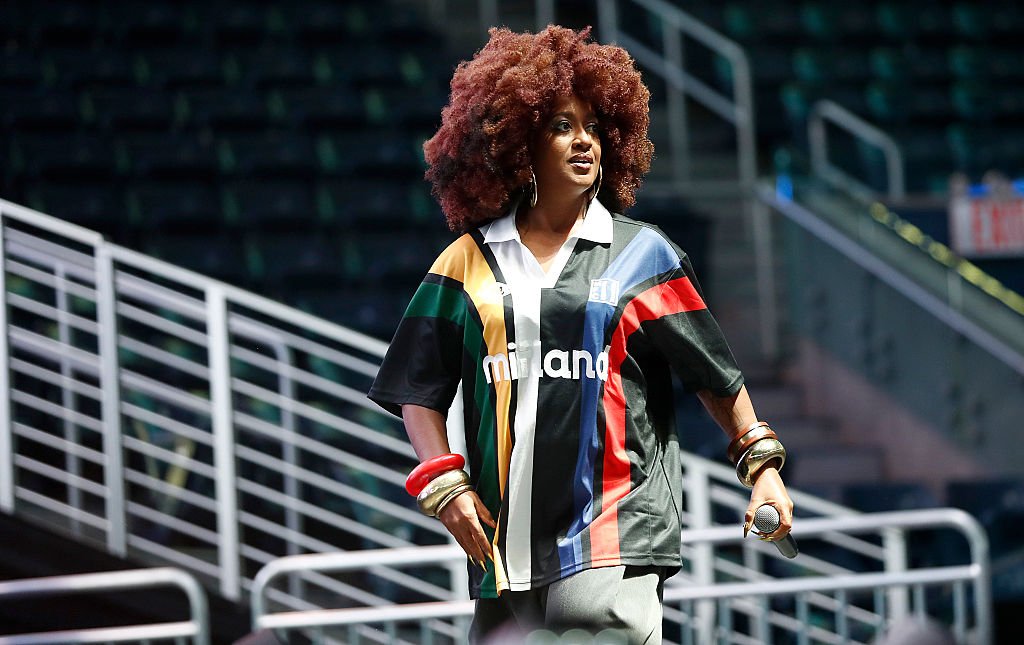
With her fifth studio album, God Gotta Afro & Gold Hoops, Rapsody's dexterous wordplay gleefully celebrates and honors Black culture.
After nearly two decades of carving her path in hip-hop, Marlanna Evans, known professionally as Rapsody, delivers a compelling statement with her fifth studio album, God Gotta Afro & Gold Hoops. This project marks a significant evolution in her discography, emphasizing the celebration of Blackness as both a cultural and spiritual identity.
Rapsody, who gained widespread recognition and clinched her first Grammy last year for "3:AM" featuring Erykah Badu, uses this album to build upon the introspective vulnerability she explored on her previous release, Please Don’t Cry. Unlike the latter, which notably lacked production from her longtime mentor 9th Wonder, God Gotta Afro & Gold Hoops reunites Rapsody with a distinctive sonic palette under the guidance of producer Denaun, also known as Mr. Porter.
Related stories


The album’s core message is clear and resonant: Black culture, music, and selfhood are not only worthy of reverence but embody the divine. Rapsody's lyrical content reflects this ethos, portraying Blackness as a complex, vibrant force that is rebellious and refined simultaneously. This thematic focus is woven through diverse musical styles that blend African rhythms, soul, and experimental funk, showcasing the breadth of her artistic vision.
Opening with the contemplative "Peace, God!" the album gracefully transitions into the upbeat "Free Yo’ Mind," which melds danceable grooves with meditative lyricism. The gospel choir featured on "No Way" underscores the album’s spiritual undertones, enriching the texture with traditional influences that connect past and present.
Rapsody's storytelling shines in tracks like "Never Break," which offers semi-autobiographical insight, while songs such as "OMG! (Love to Sun Ra)" venture into funk-infused soundscapes. Romantic themes emerge in "Apple Juice," and the titular track "God Gotta Afro" stands out as a bold anthem celebrating Black pride.
Guest appearances are sparing but impactful. Malice, formerly of Clipse, complements Rapsody's flow on "Black Love," while legendary producer Madlib contributes distinctive jazz-centric production on "The Peejays" and "Black Is Beautiful," adding layers of sophistication and homage to Black excellence.
The album also allows Rapsody to reaffirm her lyrical prowess, particularly on "YOU!" where she delivers sharp, confident verses that balance self-empowerment with subtle challenge. This track, along with others, demonstrates her refusal to be confined by narrow definitions within hip-hop, instead embracing a broader cultural expression.
Closing with the emotionally charged two-part piece "Act II: Bloodline/Growing Older," Rapsody navigates themes of family, loss, and legacy with poignant sensitivity. This finale encapsulates the album’s depth, inviting listeners to reflect on personal and collective histories.
God Gotta Afro & Gold Hoops is not merely a collection of songs but a deliberate affirmation of Black identity in its multifaceted glory. Rapsody’s work transcends entertainment, offering an artistic space where Black culture is honored, complicated, and ultimately celebrated. Through her mastery of wordplay and collaboration with producers who complement her vision, she solidifies her position as a vital voice in contemporary hip-hop.
While the album may not fit conventional party playlists, its profound messages and rich musicality make it essential listening for those seeking an authentic exploration of Blackness as an act of joy, reverence, and resilience. Details on the album’s reception and future tour plans remain limited at this time. Nonetheless, God Gotta Afro & Gold Hoops stands as a testament to Rapsody’s enduring influence and artistic integrity.
Full story & global impact
This article was synthesized and rewritten by MusicTop Editorial from reporting published by hiphopwired.com. Read the publisher's report for the complete source context.
Read original source: hiphopwired.com