The Jazz Legend Amy Winehouse Said Taught Her How to Sing
Published September 13, 2026 · JAZZ
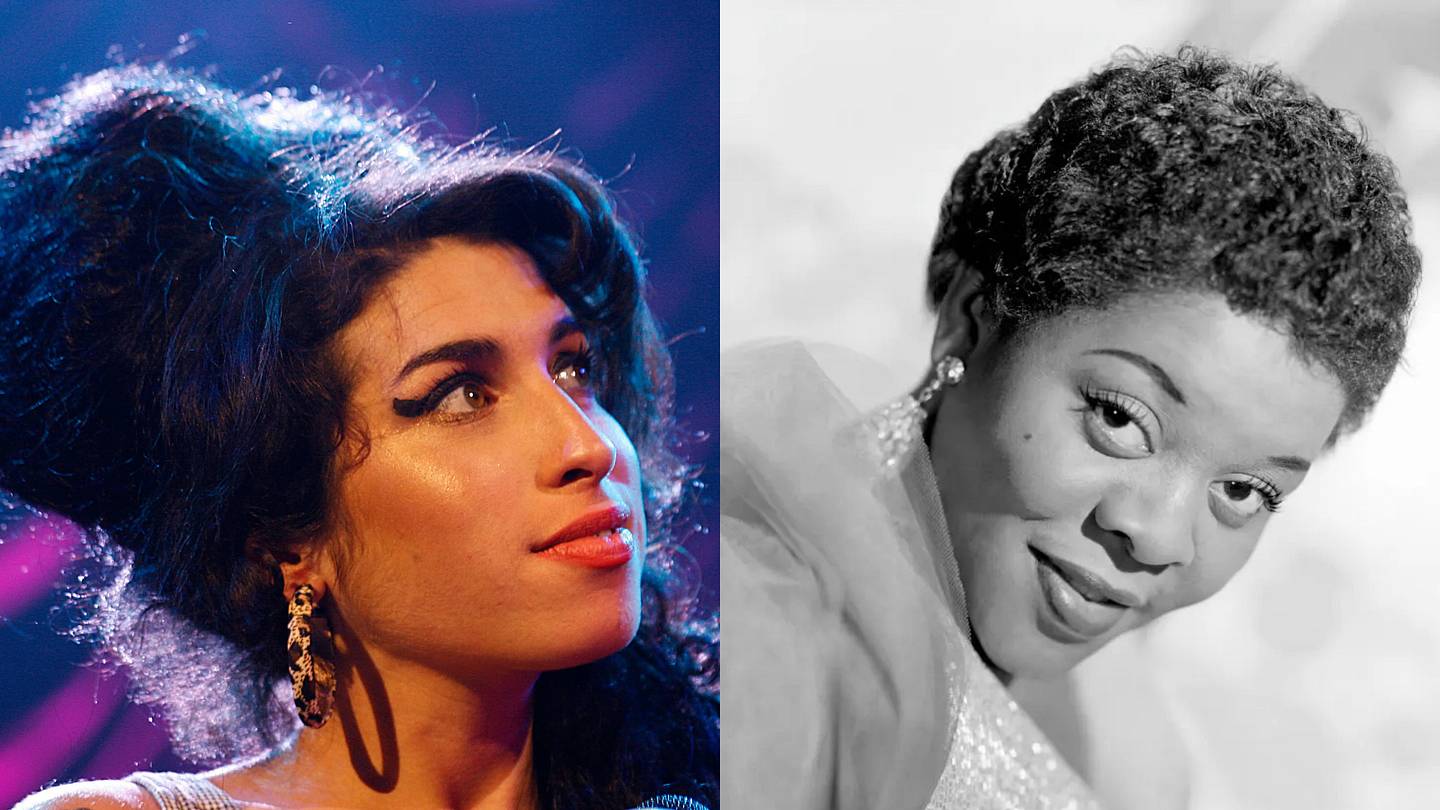
Amy Winehouse has cited many musical influences, from Frank Sinatra to Sarah Vaughan, but Dinah Washington had a singular influence on her vocal delivery.
Amy Winehouse, recognized for her distinctive voice and emotive delivery, was shaped by a rich tapestry of musical influences that spanned genres and generations. While many artists impacted her musical journey, the jazz singer Dinah Washington stands out as a particularly formative figure in Winehouse’s development as a vocalist.
Born in London in 1983, Winehouse’s early exposure to music came from her family environment. Her grandmother, a jazz singer who performed in renowned venues like Ronnie Scott’s Jazz Club, introduced her to jazz traditions and performers. This familial connection laid the groundwork for Winehouse’s deep affinity for jazz, a genre that remained central throughout her career.
Related stories


Among the classic vocalists admired by Winehouse were Ella Fitzgerald and Matt Monro, the latter often referred to as the British equivalent of Frank Sinatra. Sinatra’s influence was so pronounced that Winehouse titled her debut album with his first name, reflecting her respect for his phrasing and emotional nuance. Her father recalled her fondness for Sinatra’s "Fly Me To the Moon," highlighting how the singer’s conversational style resonated with her.
However, Winehouse’s musical palette was eclectic. Her brother introduced her to alternative rock bands such as Sonic Youth and Pearl Jam, diversifying her listening habits and informing the darker emotional undercurrents present in her music. She also absorbed elements of hip-hop and gospel, appreciating the spiritual and rhythmic complexities of these styles despite not adhering to religious beliefs herself.
Jazz, though, maintained a unique and lasting grip on Winehouse’s artistic sensibility. Early on, she was captivated by Ray Charles, whose blend of soul and jazz she listened to intensively. This interest expanded to include jazz legends like Sarah Vaughan, whose voice she described with metaphorical reverence, and Thelonious Monk, a key architect of bebop.
Despite these varied influences, Dinah Washington’s impact was singular. Known as the “Queen of Blues,” Washington was a dominant Black female vocalist of the 1950s celebrated for her versatility and impeccable vocal control. Winehouse credited Washington not only with teaching her how to sing but also with inspiring her to embrace a multifaceted musical identity that transcended strict genre boundaries.
Winehouse’s admiration for Washington was profound enough that she consciously avoided covering Washington’s songs, respecting the depth with which Washington owned her material. This decision underscores the reverence Winehouse held for Washington’s artistry and the personal significance of that influence.
By integrating elements from jazz, soul, R&B, and more, Winehouse forged a sound that, while reflective of her inspirations, remained unmistakably her own. This synthesis of influences contributed to the enduring appeal and originality of her music, which continues to resonate years after her untimely passing in 2011.
Mentalfloss.com highlights that Winehouse’s relationship with her musical predecessors was complex and selective, emphasizing how she absorbed lessons from a diverse range of artists but ultimately drew her core vocal inspiration from Dinah Washington. This nuanced lineage helps explain the specificity of Winehouse’s vocal phrasing and emotional delivery, traits that set her apart in contemporary music.
While details of other specific influences remain limited, the available evidence positions Dinah Washington as a central figure in the evolution of Amy Winehouse’s voice—a voice that combined raw emotion with technical prowess, echoing the legacy of a jazz legend while imprinting a new, modern signature on the music world.
Full story & global impact
This article was synthesized and rewritten by MusicTop Editorial from reporting published by mentalfloss.com. Read the publisher's report for the complete source context.
Read original source: mentalfloss.com