Psychedelic pop artist Peter Max has died at 88, his son says
Published September 16, 2026 · JAZZ
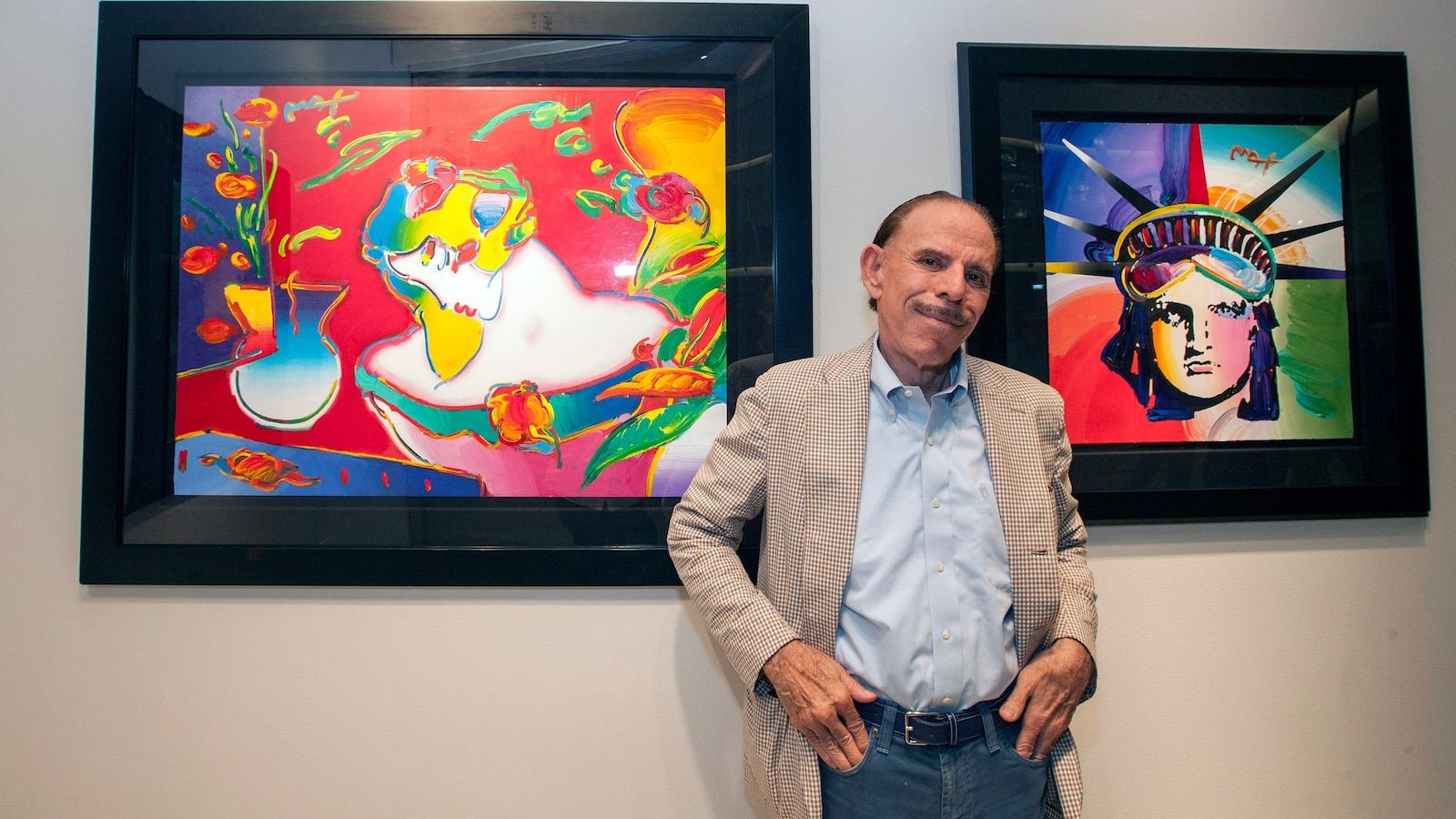
The artist Peter Max has died at age 88
Peter Max, the emblematic figure of psychedelic pop art whose vibrant creations became a visual hallmark of the 1960s counterculture, died at the age of 88, according to a statement from his son released Wednesday. Max passed away on Monday after a prolonged battle with dementia, though specific details surrounding his death have not been publicly disclosed.
Born Peter Max Finkelstein in 1937 in Berlin, Max's early years were marked by upheaval. His Jewish family fled Nazi Germany, seeking refuge in Shanghai. The family later lived in Tibet and Israel before settling in New York City when Max was a teenager. Immersed in American culture, he developed a passion for comics, cinema, and jazz, elements that would later influence his distinctive artistic style.
Related stories



Max's formal art education spanned several prestigious New York institutions, including the Art Students League, the School of Visual Arts, and Pratt Institute. In 1961, he launched a graphic design studio with collaborators, rapidly gaining attention for his bold use of color and swirling, psychedelic motifs that encapsulated the optimistic spirit of the era’s flower power movement.
His artwork quickly transcended traditional gallery spaces, permeating everyday life through posters, home décor, fashion items, and even large-scale projects like aircraft and cruise ship designs. Max’s imagery—characterized by vivid hues such as turquoise, orange, and neon green—became synonymous with the cultural zeitgeist, adorning dorm rooms, household items, and widely distributed publications like the Manhattan Yellow Pages.
Throughout his career, Max aligned his talents with major cultural and sporting events, serving as the official artist for the Olympics, the Super Bowl, the Indianapolis 500, the World Cup, and the World Series. His portfolio also included portraits ranging from U.S. presidents to contemporary figures like Taylor Swift, underscoring his enduring relevance across generations.
Despite his commercial success, Max expressed frustration during the height of his popularity in the early 1970s, feeling that mass production of his designs had distanced him from true painting. He temporarily shuttered his business to reconnect with his artistic roots, culminating in prominent projects like the 1981 series of Statue of Liberty portraits, which he painted at the White House upon invitation from First Lady Nancy Reagan.
Max’s life was marked by both public acclaim and private challenges. In 1997, he admitted guilt in a tax fraud case involving the concealment of over $1 million in income, resulting in a work-release sentence, fines, and community service teaching art in Harlem schools. Later, his family became embroiled in legal disputes related to his care and estate, culminating in the tragic suicide of his second wife, Mary Max, in 2019.
Throughout these trials, Max’s art remained a testament to positivity and peace. He consciously avoided negative themes, choosing instead to portray the world through a lens of vivid color and hopeful imagery. This optimistic vision stood in stark contrast to some of the difficulties he faced personally.
While the art establishment sometimes overlooked his work in favor of more conventional styles, Max's pieces have been exhibited internationally and are held in significant collections, including seven works housed by New York's Museum of Modern Art. Although often mistakenly credited with the iconic Beatles’ Yellow Submarine design, Max's involvement was limited to early consultation, with the final artistic credit going to Heinz Edelmann.
Beyond his artistic pursuits, Max was deeply engaged with Eastern spirituality, playing a role in introducing yoga guru "Swami" Satchidananda Saraswati to American audiences, further illustrating his diverse cultural influences.
Peter Max is survived by his children, son Adam and daughter Libra Astro. His artistic legacy remains a vibrant chapter in American pop culture, reflecting a lifetime dedicated to color, creativity, and the enduring power of joyful expression.
Full story & global impact
This article was synthesized and rewritten by MusicTop Editorial from reporting published by abcnews.com. Read the publisher's report for the complete source context.
Read original source: abcnews.com