Transgender radio DJ quits on air from Virginia station
Published September 22, 2026 · JAZZ
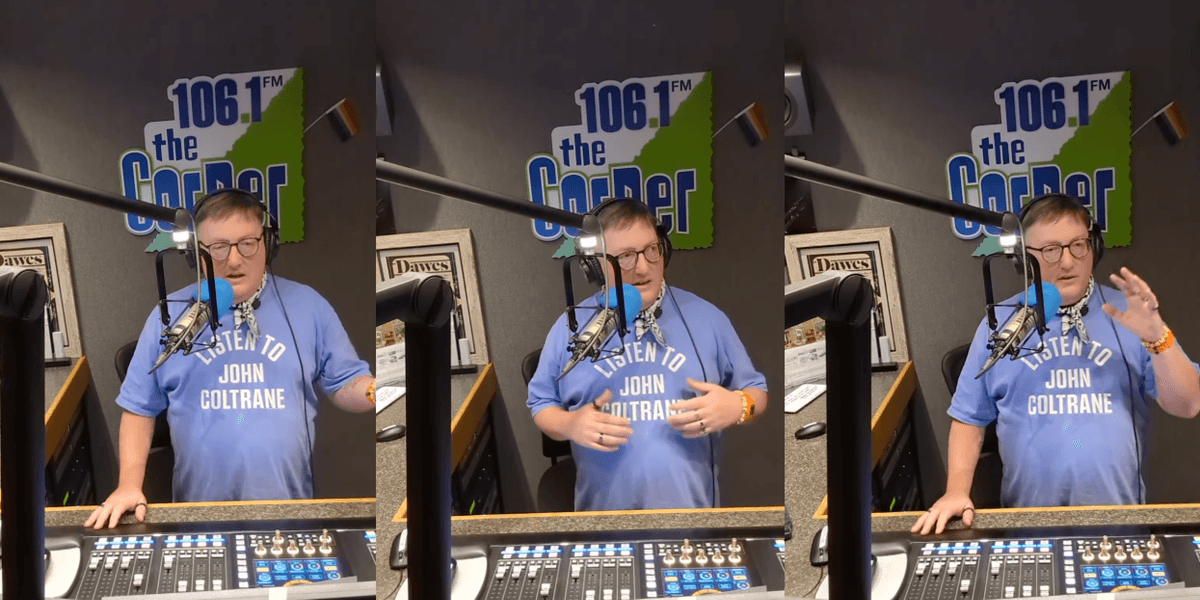
A transgender radio DJ quit on air, alleging a hostile work environment at their Virginia radio station and claiming that they were censored from speaking on political issues.
In a striking moment broadcast live, Fievel Crane, a transgender radio host, announced their resignation from the Morning Mix Tape show on Charlottesville’s 106.1 FM. The departure draws attention to ongoing challenges faced by transgender professionals in media industries, particularly regarding workplace inclusivity and freedom of expression.
Crane described their tenure at the station as deeply distressing, highlighting a professional atmosphere marred by intolerance and restrictions on discussing political topics. According to advocate.com, the DJ cited censorship as a key factor in their decision, expressing frustration over limitations imposed on dialogue around issues pertinent to the transgender community.
Related stories


The radio host’s public exit underscores broader tensions in regions such as Virginia, where debates over transgender rights and gender-affirming care have intensified. This context includes recent controversies involving healthcare institutions that have opted to curtail gender-affirming services for minors under pressure, reflecting a cultural and political environment that can be hostile to transgender individuals.
Crane’s resignation sheds light on the personal and professional toll such an environment can exact. They characterized their experience as the most traumatic of their career, a statement that resonates amid ongoing national discussions about workplace discrimination and the representation of LGBTQ+ voices in media.
While details remain limited about the internal dynamics at 106.1 FM, Crane’s on-air departure serves as a public testament to the challenges of maintaining authenticity and advocacy within certain corporate or regional settings. The incident invites scrutiny of how media outlets accommodate—or fail to accommodate—diverse perspectives, especially those that intersect with political and social advocacy.
This event also intersects with a wider narrative of LGBTQ+ representation in entertainment and news media, where figures often navigate complex landscapes of acceptance and backlash. The presence of a transgender host on a mainstream radio platform had symbolized progress, yet Crane’s experience reveals persistent barriers that can undermine such milestones.
Local and national conversations about transgender rights remain highly charged, influencing workplaces beyond healthcare and politics into cultural sectors such as music and broadcasting. Crane’s resignation, therefore, is emblematic of the ongoing struggle for equitable treatment and unfettered expression within these spheres.
As the story develops, it will be crucial to observe how 106.1 FM and similar outlets respond to such allegations and whether they implement measures to foster more inclusive environments. Meanwhile, Crane’s departure adds to the discourse on the importance of safeguarding spaces where transgender professionals can thrive without fear of censorship or hostility.
The episode also invites reflection on the responsibilities of media entities in championing diversity both on-air and behind the scenes. Ensuring that voices like Crane’s are not only present but also empowered is essential for authentic representation and the advancement of social understanding in the music and broadcasting industries.
Full story & global impact
This article was synthesized and rewritten by MusicTop Editorial from reporting published by advocate.com. Read the publisher's report for the complete source context.
Read original source: advocate.com