'It's so strange, it's perfect': Angine de Poitrine's album illustrator on why we need their art right now
Published October 14, 2026 · JAZZ

Saguenay, Quebec's Arielle Corbeau designed the cover for the duo's Polaris-winning album, and has more polka-dotted projects in the future.
Visual artistry plays a critical role in how music is perceived and experienced, and few recent examples illustrate this as effectively as the album cover for Angine de Poitrine’s latest Polaris Music Prize-winning release. The artwork, created by Saguenay, Quebec-based artist Arielle Corbeau, has garnered attention not only for its striking design but also for its resonance with contemporary cultural sensibilities.
Corbeau, whose background in visual arts is rooted in the Quebec creative scene, was commissioned to develop the cover that now serves as a visual hallmark for the duo’s album. The collaboration marks an important intersection between music and graphic art, illustrating how album visuals can encapsulate and amplify the thematic undertones of a record.
Related stories

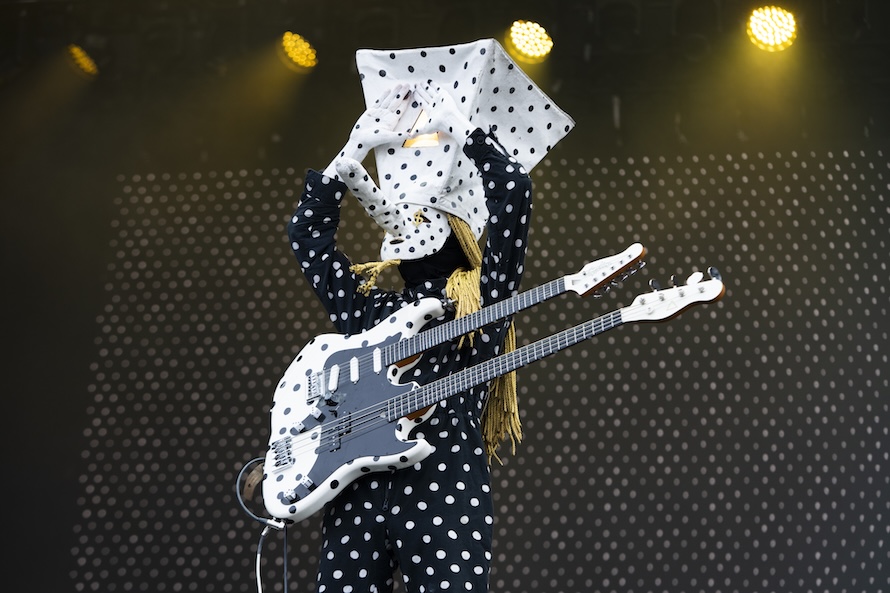

The album itself achieved critical acclaim through its recognition at the Polaris Music Prize, an esteemed Canadian award that celebrates artistic merit without regard to genre or commercial success. This accolade has elevated the profile of both the musicians and Corbeau’s artwork, which plays an integral role in the album’s identity and marketing.
Corbeau’s approach to the cover art incorporates a distinctive use of polka-dot patterns, a motif that has become a recurring signature in her portfolio. This stylistic choice contributes to a unique visual language that complements the music’s tone, suggesting a deliberate effort to evoke a specific mood and cultural context.
While Angine de Poitrine’s album cover stands out, it also signals a broader trend in contemporary Canadian music where visual aesthetics are increasingly recognized as essential to the overall artistic package. The integration of compelling artwork can deepen listener engagement, providing an additional layer of interpretation and connection.
Details about Corbeau’s forthcoming projects remain limited, but indications point toward continued exploration of her polka-dotted thematic elements. This suggests that her collaboration with Angine de Poitrine might be the first of multiple ventures that blend her visual artistry with musical narratives.
The significance of this partnership extends beyond mere design; it exemplifies the growing appreciation for cross-disciplinary collaboration within Canada’s cultural industries. Artists like Corbeau are helping to redefine how music is presented and consumed, emphasizing the power of visual storytelling alongside sound.
Although the album’s musical content drives its acclaim, the visual component crafted by Corbeau reinforces the duo’s artistic statement, providing a compelling entry point for audiences. This synergy between audio and visual elements highlights the potential for integrated creative expressions to shape cultural reception.
As the music industry continues to evolve, the role of album art remains a vital aspect of artistic identity and market impact. The success and recognition of projects like Angine de Poitrine’s Polaris-winning album underscore how thoughtful design enriches the listener’s experience and supports an artist’s creative vision.
In conclusion, Arielle Corbeau’s contribution to Angine de Poitrine’s album demonstrates the essential role visual artists play in the music world. While details on future projects are yet to be fully disclosed, her distinctive style and the acclaimed collaboration with the Quebec duo signal an exciting direction for both her career and the visual landscape of Canadian music.
Full story & global impact
This article was synthesized and rewritten by MusicTop Editorial from reporting published by cbc.ca. Read the publisher's report for the complete source context.
Read original source: cbc.ca