The Biggest Song From Every Year in the 1960s
Published October 16, 2026 · JAZZ
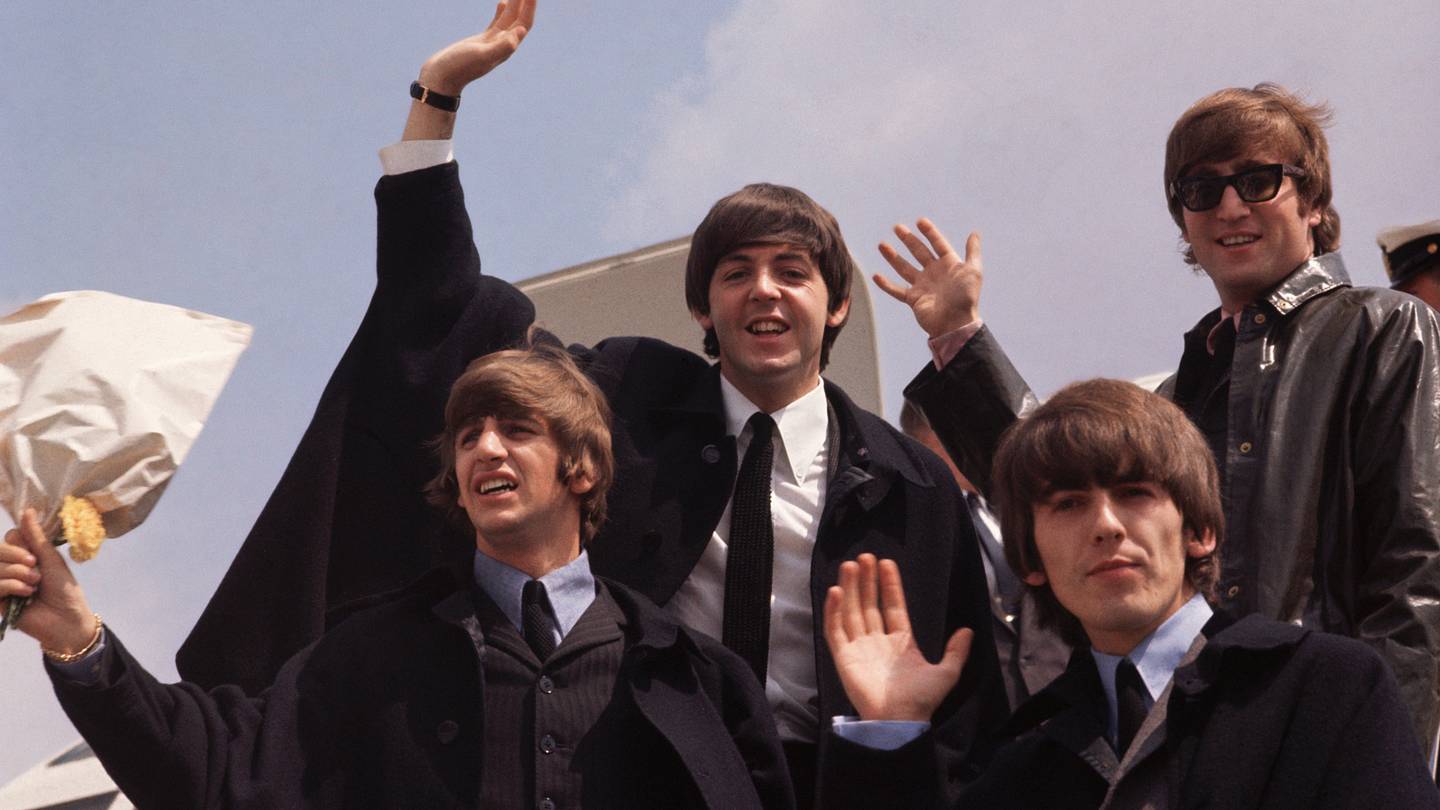
From the Beach Boys' “Surfin U.S.A.” to the Beatles' “Hey Jude,” the biggest songs from the 1960s spanned rock and roll, R&B, bubblegum pop, and much more.
The 1960s were a defining decade for popular music, witnessing an eclectic array of chart-topping songs that reflected the era’s cultural shifts and sonic experimentation. Each year brought a unique anthem that captured the public’s imagination, spanning genres from easy listening to rock, jazz, and bubblegum pop.
The decade opened with "Theme from A Summer Place" (1960), an instrumental piece rooted in the film of the same name. Though not the movie’s official theme, this orchestral track became a mainstay of the easy listening genre, dominating the Billboard Hot 100 for nine weeks and setting a mellow tone for early ’60s America.
R&B made a significant impact in 1961 with Bobby Lewis’s "Tossin’ and Turnin’," a song that not only topped the charts for seven weeks but also sold millions of copies. Its enduring presence in pop culture was solidified through numerous covers and inclusion in several films, underscoring its lasting emotional resonance.
Related music video
Selected for this story · Published within the last two years
Before the Beatles stormed the American charts, British clarinetist Acker Bilk achieved a notable milestone in 1962 with "Stranger on the Shore." Originally a melody conceived during a taxi ride and crafted for a BBC children’s show, the tune’s crossover success demonstrated the international reach of British jazz. It briefly held the number one spot in the U.S. and inspired numerous reinterpretations across decades.
The Beach Boys introduced a vibrant Californian surf culture anthem in 1963 with "Surfin’ U.S.A.," a song heavily influenced by Chuck Berry’s “Sweet Little Sixteen.” Although it never secured the top Billboard position, its 25-week chart presence helped cement the band's reputation and the West Coast’s sun-soaked musical identity.
In 1964, The Beatles made an indelible mark with "I Want to Hold Your Hand," their first American number one hit. Written collaboratively by Paul McCartney and John Lennon during an intimate session at McCartney’s then-girlfriend’s family home, the song’s catchy melody and heartfelt lyrics launched the British Invasion and changed pop music forever.

The following year, 1965, saw a Tex-Mex-infused rock record surge in popularity with "Wooly Bully" by Sam the Sham and the Pharaohs. The song, emerging from Sun Studios in Memphis, became the first American million-selling single amidst the British Invasion, exemplifying how American artists adapted and thrived during this period.
Contrary to the decade’s growing anti-war sentiment, 1966’s biggest hit was the distinctly pro-military "The Ballad of the Green Berets" by Barry Sadler, an active-duty Green Beret medic. Its five-week reign atop the charts reflected a complex national mood during the Vietnam War era, though Sadler’s later life was marked by personal turmoil and tragedy.
1967 brought a poignant ballad tied to the film "To Sir, With Love," performed by Scottish singer Lulu. The song's creation involved a rapid composition process initiated by Lulu’s suggestion to her friend Mark London, with lyrics contributed by Don Black. Despite not being released as a single initially, it captured the public’s affection and topped the charts for five weeks.
In 1968, Paul McCartney penned "Hey Jude" as a message of comfort to John Lennon’s son during his parents’ divorce. The expansive, emotive track, co-credited to Lennon-McCartney, held the number one position for nine weeks and has since become one of the Beatles’ most celebrated anthems, symbolizing hope and resilience.
The decade closed with a whimsical departure from traditional bands: "Sugar, Sugar" by The Archies, a fictional pop group from the Archie comics franchise. Written by Jeff Barry and Andy Kim and brought to life by studio musicians, the bubblegum pop hit dominated the charts for four weeks in 1969, illustrating the growing influence of media crossovers in music.
Together, these songs not only topped the charts but also encapsulated the diverse cultural and musical currents of the 1960s. From instrumental film scores and jazz clarinet melodies to surf rock, British Invasion hits, patriotic ballads, cinematic themes, and animated pop, the decade’s soundtrack was as varied and dynamic as the society it reflected.
Full story & global impact
This article was synthesized and rewritten by MusicTop Editorial from reporting published by mentalfloss.com. Read the publisher's report for the complete source context.
Read original source: mentalfloss.com