Caturday felid trifecta: Cats playing music; couple travels the world to photograph every wild cat species; new book on cats as muses; and lagniappe
Published October 24, 2026 · JAZZ
We have the usual three items today plus a bit of lagniappe. Reader Peter found the mother lode of cat videos: MelodyMeowsic, which is a bunch of AI videos featuring jazz-playing cats and, I think, AI-composed music. But it’s worth a look anyway, and since th…
Cats have long captivated human imagination, not only as companions but as muses across art, literature, and increasingly, digital media. Recently, a fascinating blend of feline-themed projects has emerged, connecting music, wildlife conservation, and literary history in unique ways.
In the realm of music and digital creativity, an innovative project called MelodyMeowsic has attracted attention by combining artificial intelligence with feline charm. This initiative features AI-generated jazz compositions accompanied by videos of cats seemingly playing instruments like saxophones, guitars, and pianos. Though the synchronization between the cats’ actions and music sometimes falters, the immersive audiovisual experience offers an intriguing lounge atmosphere suitable for background listening or relaxation. The concept marries modern jazz's smooth textures with the playful allure of cats, producing an experimental form of entertainment that reflects both technological advancement and cultural affection for felines.
Related stories



Parallel to this digital expression, a married couple from California has undertaken an ambitious and impactful conservation photography project. Sebastian Kennerknecht and Rachel Tobias have devoted years to documenting nearly all wild cat species worldwide, aiming to capture images of all 40 members of the Felidae family. Their journey encompasses 33 countries across five continents, where they employ ethical methods without baiting to photograph elusive species in their natural habitats. Their work not only provides stunning visual records—from cheetahs in Tanzania to tigers in India and ocelots in Panama—but also raises substantial funds for conservation efforts. Partnerships with organizations such as Panthera underscore the significance of their endeavor and its contributions toward protecting vulnerable and endangered wild cats.
The couple’s dedication is evident in their rigorous fieldwork, often involving challenging conditions like dense forests, deserts, and tropical jungles where humidity and wildlife pose constant obstacles. Their use of camera traps to observe authentic animal behaviors underlines a commitment to responsible wildlife documentation, which is critical for fostering public awareness and support for conservation initiatives.
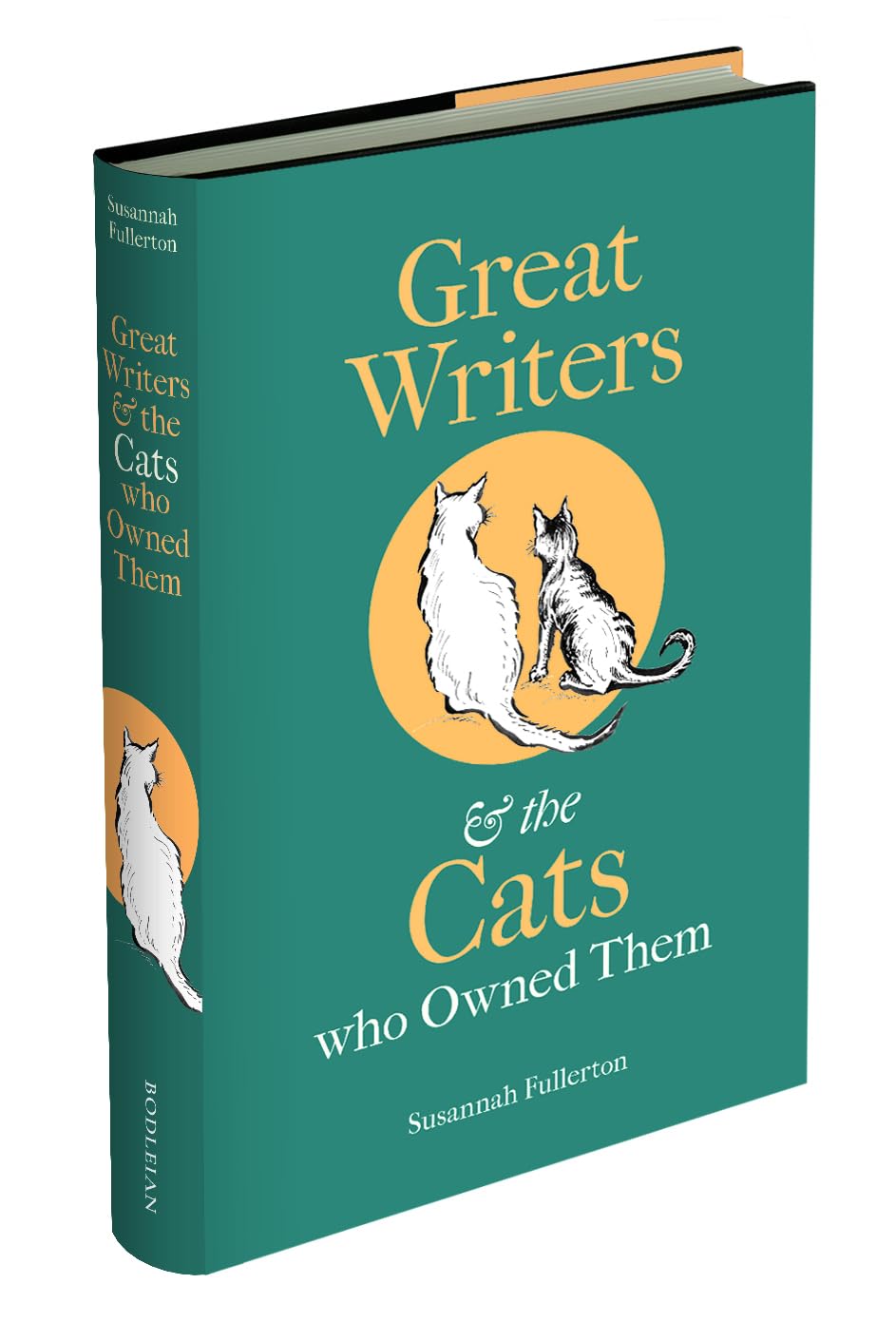
Meanwhile, the cultural and literary role of cats receives renewed attention through the recent publication of "Great Writers and the Cats Who Owned Them" by Susannah Fullerton. This book explores the intimate and often whimsical relationships between renowned authors and their feline companions. Through historical anecdotes and scholarly research, it reveals how cats have influenced creativity and provided solace to writers from various eras. The narrative highlights the reciprocal nature of these relationships, emphasizing cats’ independence and distinctive personalities as sources of inspiration rather than mere pets.
The book features stories of cats connected with literary figures such as Mark Twain, whose lost cat Bambino once prompted a public search, and Muriel Spark, who composed poetry inspired by her kitten Bluebell. It also discusses lesser-known feline muses and their roles in the daily lives and works of celebrated authors. This literary examination enriches the understanding of cats as companions that foster creativity and comfort amid the solitude of writing.
Additional recent publications on feline themes, including Scott Simon’s "Ulysses S. Cat and Other Animals I Have Known" and Rod Phillips’ "Cats: A History," complement Fullerton’s work by broadening the exploration of cats in culture and history.
On a lighter note, personal stories of cat ownership continue to resonate with many. For instance, a reader shared the birthday celebration of her adopted cat Stella, underscoring the ongoing human-animal bond that brings companionship, protection, and joy to everyday life.
Collectively, these diverse perspectives—from AI-generated jazz cats to dedicated conservationists and literary historians—illustrate the multifaceted significance of cats in contemporary culture. They reveal how felines inspire creativity, motivate preservation efforts, and enrich human experience across various domains. This synthesis of art, science, and history affirms the enduring presence of cats as influential figures in both human imagination and the natural world.
Full story & global impact
This article was synthesized and rewritten by MusicTop Editorial from reporting published by whyevolutionistrue.com. Read the publisher's report for the complete source context.
Read original source: whyevolutionistrue.com