Which Songs Enter Public Domain in 2026? What to Know
Published October 25, 2026 · JAZZ
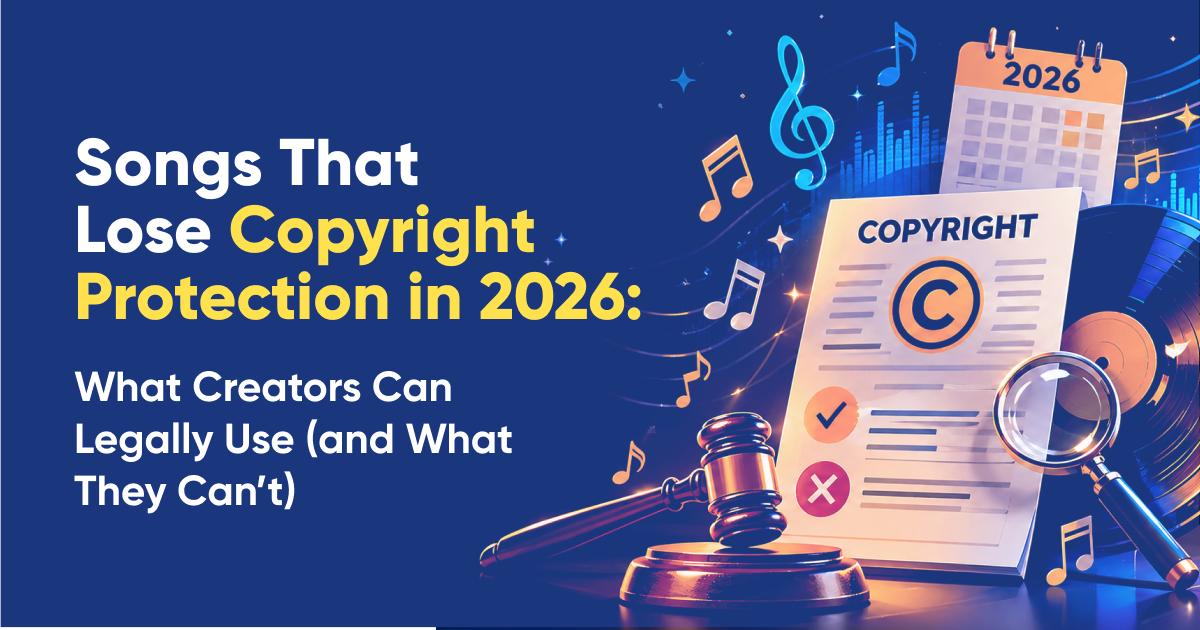
Which songs lose copyright in 2026? Some become public domain but not all versions are free. Learn what you can use and avoid claims. Read more.
As 2026 arrives, a fresh wave of songs from 1930 transitions into the public domain in the United States, marking another chapter in the ongoing evolution of music copyright. This shift invites artists, producers, and content creators to explore new creative possibilities with these historic works, but not without navigating intricate legal nuances.
Under current U.S. copyright law, musical compositions—including lyrics and melodies—are protected for 95 years post-publication. Consequently, compositions published in 1930 will become free from copyright restrictions starting January 1, 2026. This progression also coincides with sound recordings from 1925 entering the public domain due to provisions introduced by the Music Modernization Act. Together, these changes expand the catalog of music that creators can legally repurpose and reinterpret without obtaining permission.
Related stories
However, the reality behind these legal developments is multifaceted. The expiration of copyright applies strictly to the original compositions themselves, not necessarily to the specific recordings commonly accessed on digital platforms today. Many well-known versions of these classic songs remain under copyright protection, which can result in confusion when creators attempt to use them.

Several notable songs from this era, including early jazz standards and widely covered classics, are among those entering the public domain. These pieces have a rich legacy of reinterpretation and sampling, making their newfound status particularly significant for musicians and filmmakers seeking authentic period sound or inspiration from foundational works.
Despite the public domain status of these compositions, using contemporary recordings of these songs can still trigger copyright enforcement on platforms such as YouTube and Spotify. These platforms employ automated content identification systems that detect and flag copyrighted material, irrespective of the underlying composition’s public domain status. As a result, creators may face unexpected claims or takedowns if they rely on modern renditions rather than original or newly produced versions.
This distinction between composition rights and recording rights is critical. While the composition itself can be freely performed, arranged, or sampled, the rights to individual sound recordings are separate and often extend beyond the life of the original copyright on the composition. Therefore, creators need to ensure that any adaptations or uses are based solely on materials free from existing recording copyrights.
Moreover, international copyright laws add another layer of complexity. A work that is in the public domain within the United States may still be protected in other countries, affecting global distribution and use. This discrepancy underscores the importance of understanding jurisdiction-specific copyright timelines when publishing or sharing music-based content internationally.
Beyond copyright, other legal considerations such as trademark protections on branding associated with certain works can also influence what is permissible. New arrangements or derivative works created after 1930 may hold their own rights, which must be respected even when the original composition is public domain.
For creators and rights holders alike, the gradual release of music into the public domain offers both opportunity and caution. While it allows greater artistic freedom and potential for innovation, it also demands a careful approach to rights management. Ensuring that both composition and recording rights are cleared is essential to avoid legal complications and to fully leverage the resources now available.
Finally, the expansion of the public domain each year is a reminder of the importance of protecting new creative works. Artists are encouraged to register copyrights on their original music and related content to maintain control and legal protection. As the cycle of copyright expiration continues, understanding these legal frameworks remains vital for anyone involved in the music industry.
In summary, 2026 heralds increased accessibility to classic American musical compositions from 1930, but creators must remain vigilant. The public domain status applies primarily to compositions, while recordings and derivative works may still be under protection. This nuanced landscape requires informed navigation to harness the benefits of public domain music without infringing on existing rights, as explained in reporting from trademarkia.com.
Full story & global impact
This article was synthesized and rewritten by MusicTop Editorial from reporting published by trademarkia.com. Read the publisher's report for the complete source context.
Read original source: trademarkia.com