’40 Watts From Nowhere’: How a Feisty Pirate Radio Station Stormed the Airwaves in 1990s Silver Lake With Help From the Red Hot Chili Peppers and More
Published October 27, 2026 · JAZZ

The 1990s were a very different time — especially in Silver Lake, California — once a fertile neighborhood of artists and musicians and now a pricey hot spot. Three decades ago, the indie music scene was flourishing with homegrown acts like Beck and Rilo Kile…
During the mid-1990s, Silver Lake, California, was a crucible for independent music and artistic expression, a stark contrast to its later transformation into a trendy and commercialized neighborhood. At the heart of this cultural surge was KBLT, an unlicensed pirate radio station that broadcast from 1995 until its shutdown in 1998. Operating within a small radius around Sunset Junction, KBLT became a beacon for eclectic music lovers, offering an alternative platform outside mainstream media’s tight grip.
The station was conceived by Sue Carpenter, a journalist and passionate music enthusiast, who discovered a loophole in FCC regulations allowing low-power radio transmissions without the necessity of expensive licenses. Drawing on guidance from Stephen Dunifer—a well-known figure in Berkeley's pirate radio scene—Carpenter assembled the technical infrastructure and launched her first foray into pirate radio in San Francisco before relocating to Los Angeles.
Related stories
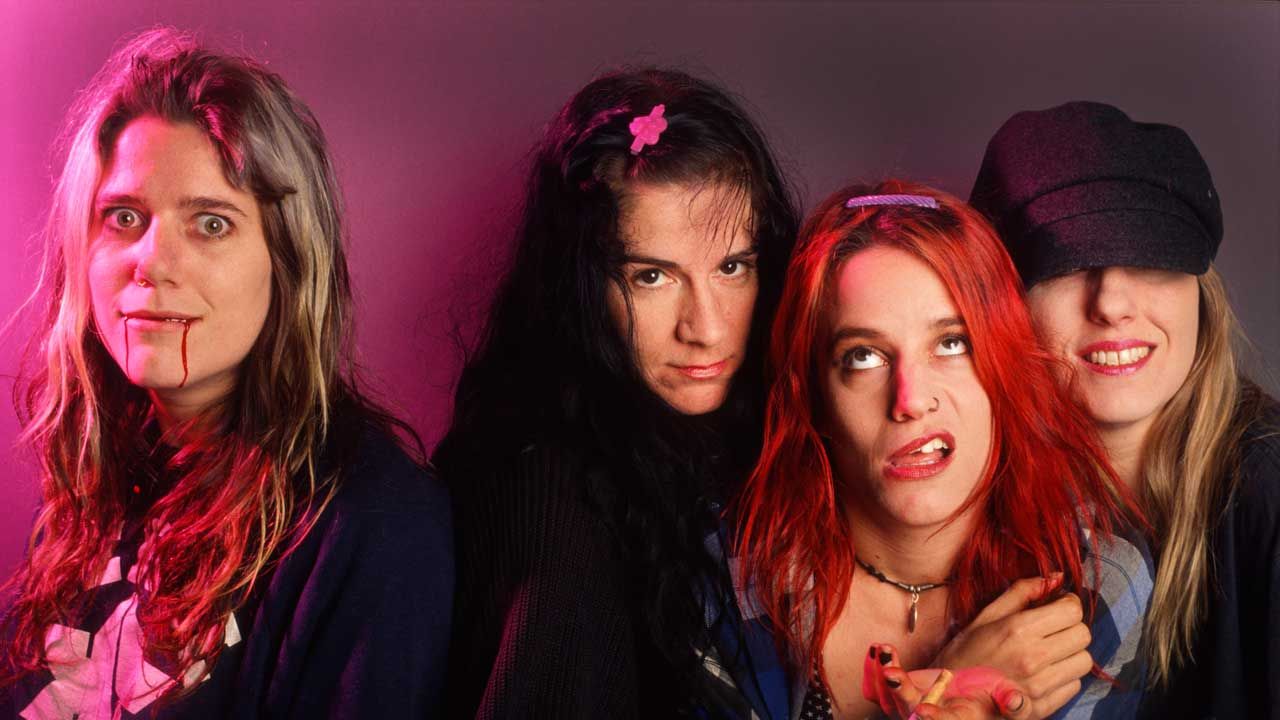
Reinventing the project under the KBLT banner, a nod to Carpenter’s penchant for food-themed acronyms, she cultivated a diverse roster of DJs and contributors. The station’s programming defied conventional radio formats by embracing a broad spectrum of genres, including French pop, jazz, punk, blues, and emerging electronic styles. This diversity reflected the multiplicity of Silver Lake’s local music culture, which fostered nascent talents that would later gain national recognition.
Related music video
Selected for this story · Published within the last two years
KBLT’s significance extended beyond its audio output. The station's physical space, a modest Silver Lake apartment, became an informal hub for musicians and creative minds. The open-door policy welcomed a rotating cast of contributors, ranging from dedicated local DJs to notable figures such as Mike Watt from the Minutemen, Don Bolles of the Germs, and Keith Morris of the Circle Jerks. High-profile bands like the Red Hot Chili Peppers also participated, delivering live sessions that enhanced the station's allure.
This vibrant scene is captured in the recent documentary “40 Watts From Nowhere,” which premiered at Slamdance and subsequently became available on Amazon VOD, largely propelled by the involvement of executive producer Jack Black. The film draws on rare archival footage, much of which was unexpectedly preserved by Robert Sullivan, known as Sully from Possum Dixon, who had recorded the station for a documentary that never materialized. These materials provide a rare window into the station’s dynamic atmosphere and the broader cultural moment of 1990s Silver Lake.
The documentary also features reflections from contemporary musicians such as Tom Morello, who emphasize the station’s role as a counterpoint to media consolidation and corporate dominance in broadcasting. KBLT offered a platform where underground artists and underground tastes could thrive, fostering a sense of community and shared discovery among listeners.

Despite its impact, KBLT’s existence was precarious. The station ultimately succumbed to regulatory pressures following a legal defeat faced by Dunifer, which led to swift enforcement actions by the FCC. The shutdown marked the end of an era for the Silver Lake music community and highlighted the challenges facing alternative media initiatives in a landscape governed by strict licensing and corporate interests.
Today, the legacy of KBLT evokes nostalgia for a time when Silver Lake was a fertile ground for independent creativity, unmarked by the commercial gentrification that characterizes the area now. Former participants and observers lament the loss of the neighborhood’s original spirit, which was closely tied to grassroots cultural movements and accessible artistic spaces.
The story of KBLT illustrates the power of DIY media in shaping local identity and supporting emerging music scenes. It underscores how passionate individuals, despite limited resources and formidable obstacles, can disrupt established systems to carve out space for innovation. While the station’s broadcast life was brief, its imprint on Silver Lake’s cultural history endures as a testament to the vitality of independent voices in the face of mainstream constraints.
Full story & global impact
This article was synthesized and rewritten by MusicTop Editorial from reporting published by variety.com. Read the publisher's report for the complete source context.
Read original source: variety.com