8 Actors With the Most Iconic Voices of All Time
Published November 7, 2026 · JAZZ
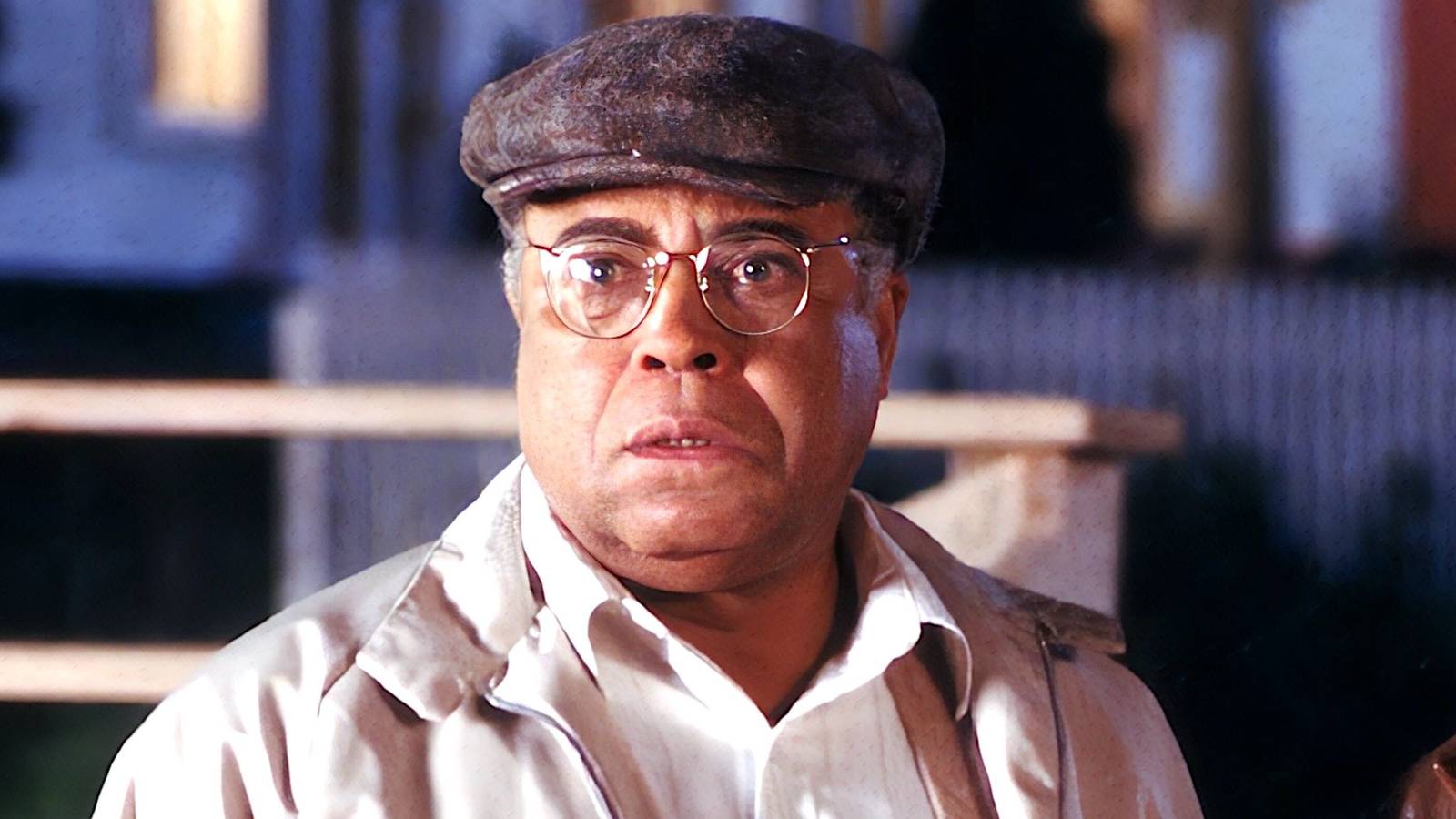
Movie stars like Sean Connery, Vincent Price, and James Earl Jones have some of the most iconic and instantly recognizable voices of all time.
Distinctive voices have shaped the cinema landscape as much as the images on screen, becoming cultural touchstones that define characters and even entire film genres. Eight actors, including Sean Connery, James Earl Jones, and Vincent Price, stand out for how their voices transcended the screen to embed themselves in popular memory.
The remarkable vocal identity of Arnold Schwarzenegger illustrates how an accent and delivery can become a career hallmark rather than a hindrance. Initially considered a barrier, Schwarzenegger’s thick Austrian accent and measured speech style evolved into a trademark that enhanced his portrayal of characters like the Terminator. His mechanical tone in "I’ll be back" transformed a simple line into one of cinema’s most enduring catchphrases, exemplifying how vocal qualities contribute to character mythology.
Related stories

Morgan Freeman’s voice carries a serene authority that commands attention through its measured pace and gravelly richness. His narration in "The Shawshank Redemption" and documentaries such as "March of the Penguins" provided a calm yet compelling presence that anchors narratives with wisdom and trustworthiness. Freeman’s vocal style has also made him a preferred choice for roles requiring gravitas, including divine figures in popular comedies, reflecting how his voice alone can elevate storytelling.
In contrast, Peter Lorre’s uniquely unsettling timbre introduced vulnerability mixed with menace, creating an aura of mystery in early classic films and noir. His European accent and soft, wheezy delivery marked every role with distinctive unease, influencing not only cinema but also animation and impressions. This voice’s ability to evoke tension without overt threat helped define a certain cinematic archetype that persists decades later.
James Stewart’s hesitant, stammering vocal style brought an intimate sincerity to his characters, making them feel approachable and genuine. His pauses and wavering tone in films like "It’s a Wonderful Life" and "Mr. Smith Goes to Washington" conveyed vulnerability and conviction simultaneously. This imperfect delivery eschewed polish in favor of relatability, establishing Stewart’s voice as a symbol of earnest American everyman qualities.
Sean Connery’s voice combined smooth confidence with a distinct Scottish inflection, producing a sound synonymous with cool authority. The sibilant quality of his speech, often sliding into a soft "sh," became iconic through his role as James Bond and carried over into dramatic parts that demanded a blend of menace and charm. Connery’s choice to maintain his natural accent rather than neutralize it for roles contributed to a unique vocal signature that remains instantly identifiable.
Christopher Walken’s voice is characterized by unpredictable rhythm and emphasis, with unexpected pauses and a staccato cadence that renders even mundane lines unforgettable. This musicality in speech stylization has made performances in films such as "Pulp Fiction" and "The Deer Hunter" stand out. Walken’s vocal approach has been widely imitated and parodied, underscoring how his distinct timing has permeated popular culture.
James Earl Jones’ voice is deep and resonant, evoking power and authority through controlled, thunderous tones. Overcoming childhood speech difficulties, he transformed his vocal presence into a defining element of characters like Darth Vader and Mufasa. His ability to convey menace and warmth alike has made his voice a symbol of commanding presence across genres, with an impact that extends beyond his on-screen roles to other media such as news and narration.
Vincent Price’s voice carried theatrical elegance with a darkly amused sophistication that made horror both alluring and refined. His mid-Atlantic accent and mastery of timing enabled him to elevate macabre material into something stylishly captivating. Price’s vocal work in films and poetry readings, as well as his contribution to iconic moments like Michael Jackson’s "Thriller," cement his voice as a gold standard for spooky storytelling.
These eight actors demonstrate how voice can become an actor’s most potent tool, influencing audience perception and cultural resonance. Their voices often outlive their visual presence, becoming symbols of character archetypes, genres, and storytelling styles.
The enduring popularity of these vocal styles also affects how their catalogues are curated and marketed, as audio recordings, narrations, and voice roles continue to attract audiences. For instance, Morgan Freeman’s narration work sustains his relevance beyond traditional acting, while the parody and homage culture surrounding Christopher Walken and Sean Connery reinforce their voices' place in entertainment folklore.
Moreover, the economic impact of such iconic voices includes ongoing licensing opportunities for commercials, animated features, and digital media, ensuring these actors’ legacies remain commercially viable long after their original performances.
The relationship between these distinctive voices and their fans reveals how vocal identity can foster emotional connections, building loyalty that spans generations. This dynamic underscores the importance of vocal branding in an industry where many actors seek not only fame but lasting influence.
While these voices are widely celebrated, the specifics of how vocal traits develop or are consciously shaped remain partly unexplored, inviting further study into the intersection of voice training, natural talent, and character development.
Full story & global impact
This article was synthesized and rewritten by MusicTop Editorial from reporting published by collider.com. Read the publisher's report for the complete source context.
Read original source: collider.com