The 50th anniversary edition of Frank Zappa's Zoot Allures is much more than mere barrel scrapings
Published November 13, 2026 · JAZZ
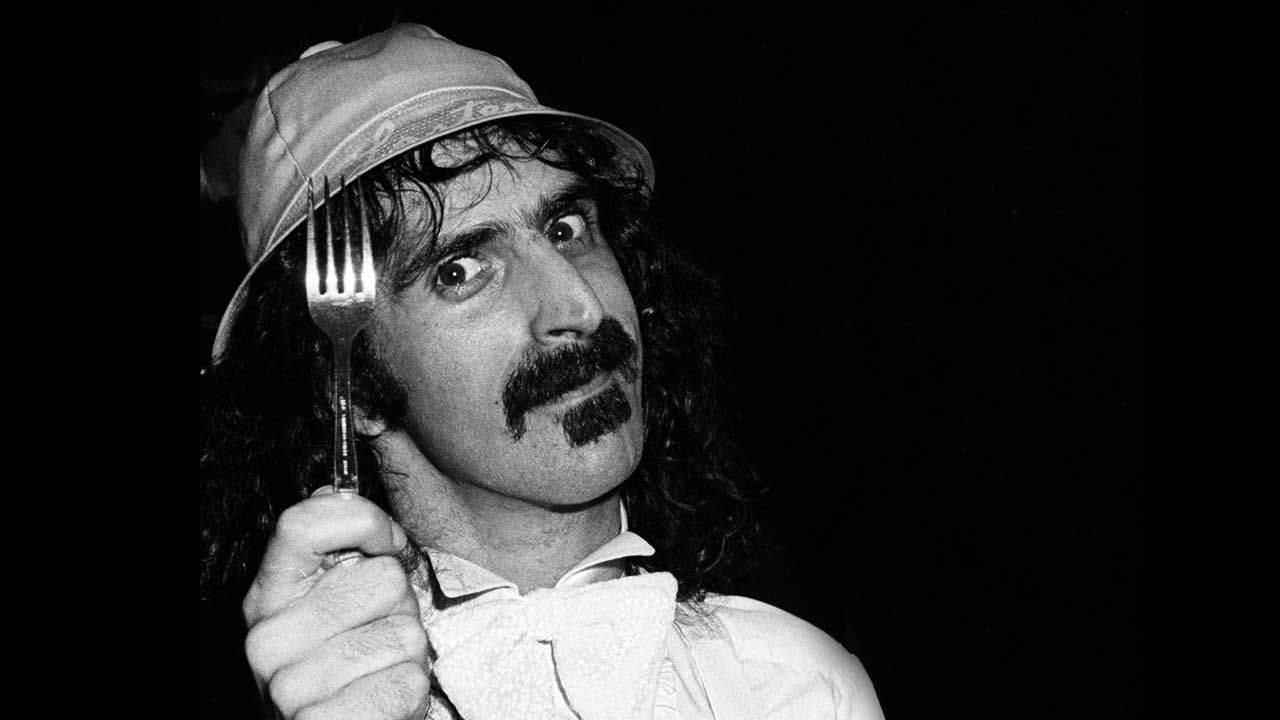
The five-disc, 50th Anniversary edition of Frank Zappa's Zoot Allures comes with live and alternate takes
Frank Zappa's 50th Anniversary edition of Zoot Allures delivers a comprehensive five-disc set that expands on the original 1976 album with live recordings, alternate takes, and unreleased tracks. This release revisits a turbulent period in Zappa's career marked by significant changes in management and band composition.
The Zoot Allures album was originally trimmed from a planned double album, Night Of The Iron Sausage, to a single disc at the request of Warner Bros. Records. The new edition restores some context around that decision, offering listeners access to material that was previously unreleased or presented only as rough cuts.
Related stories


Recorded during a phase when Zappa had parted ways with his longtime manager Herb Cohen and was effectively reduced to a duo with drummer Terry Bozzio, the album showcases Zappa as a solo artist, supported by occasional contributions from loyal collaborators like Ian and Ruth Underwood. The Mothers of Invention name was dropped, emphasizing Zappa's role as the primary creative force.
Related music video
Selected for this story · Published within the last two years
Musically, Zoot Allures demonstrates Zappa’s versatility and technical skill. Tracks like "Wind Up Workin' In A Gas Station" hint at early punk influences, mingled with his signature guitar solos and idiosyncratic vocals. "Black Napkins" stands out as a showcase of guitar complexity, while "The Torture Never Stops" creates an unsettling atmosphere blending jazz rock with eerie sound effects.
The title track offers a more melodic and atmospheric experience, drawing comparisons to the tranquil instrumental "Albatross" by Fleetwood Mac, highlighting the band’s ability to convey mood with subtlety. Conversely, "Disco Boy" presents a less favorable example of Zappa’s experimentation, seen as a less successful mutation of other contemporary styles.
Included in the expanded set are earlier rough cuts of songs like "Disco Boy," which reveal the raw edges that were polished for the original release. The live disc captures Zappa’s unique talent for combining surreal spoken-word comedy with tightly controlled free jazz improvisation, particularly noted on performances of "Stink Foot" and "The Poodle Lecture."

Additional outtakes and unreleased pieces, such as "Filthy Habits" and "The Ocean Is The Ultimate Solution," expose Zappa's experimental side. These instrumental tracks exhibit complex layering and acoustic guitar work that would have diverged from the single-album focus had they been included in the original release.
Completing the package are rare recordings like the "Hofstra Segment," which features material taped in a dressing room, and "Son Of Canard Du Jour," an unreleased track that would later evolve into "Outside Now" on the Joe's Garage album. This version includes a new bass part, offering insight into Zappa’s compositional development.
This expanded set offers more than just archival filler, presenting a well-rounded portrait of an album that captures a challenging moment in Zappa’s career. It reveals his relentless creativity amid professional upheaval and his ability to wield his ensemble as extensions of his vision.
The release adds significant value to Zappa’s catalog, providing devoted listeners with fresh perspectives on his work and shedding new light on the creative process behind a key mid-1970s album. It also enhances understanding of how Zappa navigated label demands and personal changes while maintaining artistic integrity.
Live recordings included in the set emphasize Zappa’s prowess as a performer, blending humor, musical precision, and improvisation in a way that reinforces his impact on progressive and experimental rock. This material enriches the legacy of his live shows, which remain a vital part of his enduring appeal.
The additional content underscores Zappa’s continuous evolution as a composer and musician. By comparing early versions of tracks and unreleased material to fully realized compositions, listeners can trace the refinement and expansion of his musical ideas during this era.
Full story & global impact
This article was synthesized and rewritten by MusicTop Editorial from reporting published by loudersound.com. Read the publisher's report for the complete source context.
Read original source: loudersound.com