Ben Webster :: Music For Loving (1955)
Published November 17, 2026 · JAZZ
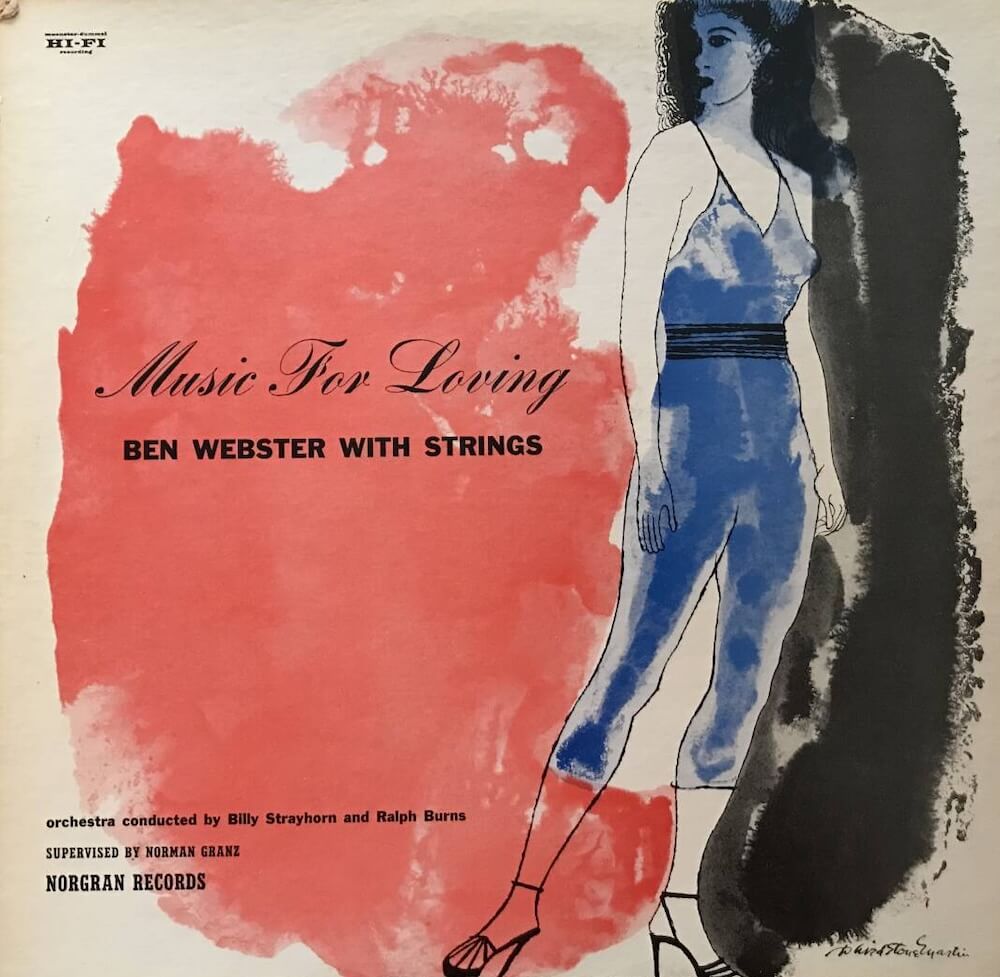
Music for Loving (1955) contains some of Ben Webster’s most sophisticated and elegant work, and the larger arrangements avoid the pitfalls of the “jazz-with-strings” genre. This is none more apparent than when the orchestral bells and whistles step aside, all…
Ben Webster’s 1955 release, Music for Loving, stands out as a testament to his ability to merge intricate musicality with lush orchestral backdrops. The album exemplifies some of the saxophonist’s most polished and graceful efforts, highlighting his talent within a framework that blends jazz with string accompaniments.
Unlike many projects in the jazz-with-strings category, Music for Loving carefully sidesteps common pitfalls such as overbearing or clichéd arrangements. Instead, the larger ensemble serves to complement Webster’s tone and phrasing, allowing the music to breathe without overshadowing the core band’s intimate interplay.
Related stories
The record’s arrangement strategy is particularly evident when the orchestral elements recede, letting Webster’s tenor saxophone and his accompanying musicians occupy the sonic space fully. These moments emphasize the contemplative and often melancholic mood of the ballads, giving the performances a depth that resonates beyond surface-level elegance.
Related music video
Selected for this story · Published within the last two years
This approach contrasts with the genre’s usual tendency toward ornate, sometimes distracting string passages, which can dilute the emotional impact of jazz soloists. Music for Loving’s restraint in orchestration underscores the sophistication of Webster’s playing while maintaining the warmth and accessibility that characterize his style.
The album’s release in 1955 places it within a vibrant period of jazz history when artists were experimenting with expanding their sound palettes. Webster’s work here reflects a thoughtful exploration of how to integrate orchestral colors without compromising the genre’s spontaneity and emotional honesty.
Music for Loving enriches Ben Webster’s catalog by showcasing his adaptability and his nuanced approach to blending genre elements. This record provides an alternative perspective on his musicianship, offering listeners an experience that balances sophistication with heartfelt expression.

The project’s success in avoiding clichéd string arrangements has implications for jazz production practices. It illustrates that integrating orchestral elements requires careful consideration to support rather than overshadow the core jazz ensemble, a lesson that remains relevant for contemporary musicians and producers.
From an artistic standpoint, the album’s restrained use of strings and the emphasis on the band’s dynamics create a more immersive environment for Webster’s tenor saxophone. This focus on space and subtlety contributes to the album’s enduring appeal among jazz aficionados.
Given the album’s refined orchestral choices and its emphasis on balladry, Music for Loving serves as a case study in how jazz artists of the mid-1950s negotiated the incorporation of strings without succumbing to the genre’s stereotypes. It highlights the potential for sophisticated arrangement techniques to elevate rather than dilute jazz performances.
The continued appreciation of Music for Loving demonstrates the lasting value of projects that prioritize musical authenticity and balance over formulaic genre conventions. This album remains a significant entry in Ben Webster’s discography and a noteworthy example of jazz’s capacity for nuanced orchestral collaboration.
Unconfirmed details about the specific arrangers or the session musicians involved in this project remain, leaving room for further research into the album’s production history. Such information could provide deeper insight into the creative decisions behind its distinctive sound.
As music scholarship revisits mid-century jazz recordings, albums like Music for Loving encourage a reevaluation of how artists integrated classical instrumentation into jazz contexts. Webster’s record exemplifies a successful synthesis that respects both traditions while forging a unique artistic statement.
This album’s nuanced orchestration and Webster’s emotive performances contribute to a rich listening experience that continues to engage new audiences. Its ability to balance jazz improvisation with sophisticated arrangements cements its place as a noteworthy effort from the 1950s jazz canon.
Music for Loving challenges assumptions about the jazz-with-strings format, demonstrating that with sensitive execution, such projects can yield recordings of lasting artistic merit and emotional resonance.
Full story & global impact
This article was synthesized and rewritten by MusicTop Editorial from reporting published by aquariumdrunkard.com. Read the publisher's report for the complete source context.
Read original source: aquariumdrunkard.com