Join Open Jam Sessions for an Insight Into London's Grassroots Music Scene
Published November 18, 2026 · JAZZ
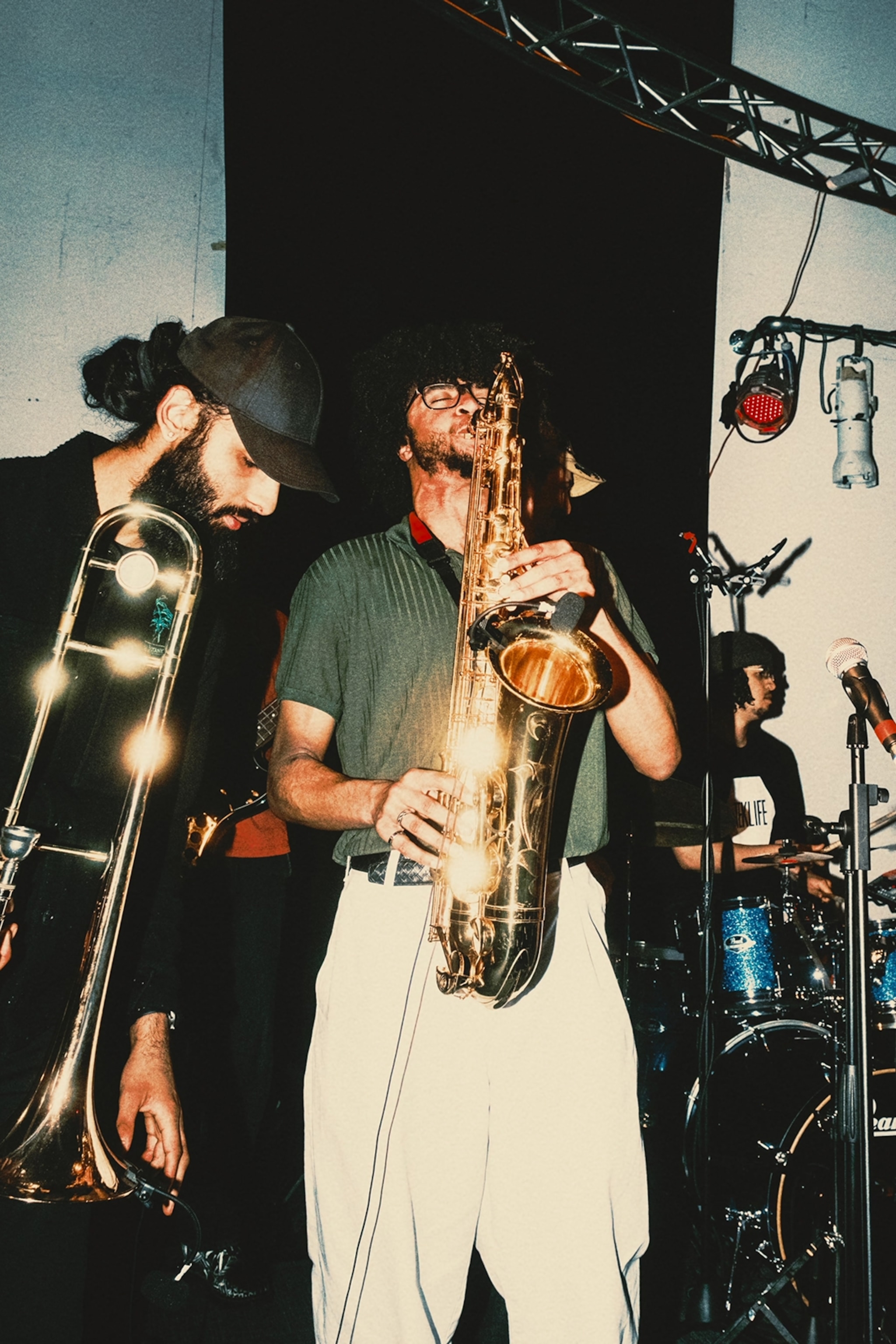
Across the city, a growing crop of music-making events is nourishing the capital’s grassroots music scene — and helping to alleviate loneliness in the process.
London has witnessed a revitalization of its grassroots music environment through a surge in open jam sessions that bring musicians together to collaborate and socialize. These gatherings have become a vital outlet for creative expression and community building, especially as the city recovers from the isolation effects of the Covid-19 pandemic.
The resurgence of these sessions originated after the pandemic lockdowns, when many independent music venues faced closures and music lovers sought new means of connection. Central to this revival are events such as The Five Points Jam, established in 2022 by James Lear and Max Riby-Williams, which transformed a simple idea of meeting new people in a new city into a regular gathering now hosted at Hackney’s Eastway Baths.
Related stories

Eastway Baths, with its distinctive art deco architecture, provides a spacious backdrop for a diverse collective of musicians—from violinists to rappers—who improvise together in free-form sets. Attendance has grown steadily, signifying the appeal of these open-ended musical conversations to both performers and audiences.
Similar initiatives have emerged across London, each cultivating its own community and sound. Not The Usual Jam, hosted monthly at Grow in Hackney, gained prominence in 2025 by assembling novice instrumentalists, beatmakers, and professional artists like The Orbalist, who guides synth-heavy live collaborations. This event exemplifies how open jams can bridge experience levels and genres.
Further south, Brixton House has incorporated a fresh bi-monthly event called Kindrd Jam, launched by the Kindrd collective. The sessions there emphasize soul, jazz, and R&B influences, starting with featured artist performances before transitioning into a jam that invites participation. The venue’s rich history as a music hall and rehearsal space adds a layer of cultural legacy to these gatherings.
Brixton House’s combination of performance space and casual café environment fosters both artistic exchange and social interaction, with the addition of afterparties providing opportunities for musicians and fans to engage more informally. This dual focus on music and community highlights the broader social function of these jam sessions beyond entertainment alone.
The revival of these open jam scenes also signals a shift in how local music economies operate. By encouraging mixed-genre and multi-level participation, such events nurture emerging talent and support session musicians whose work is often behind the scenes. They create informal networks that can lead to collaborations outside the jam setting.
Unlike traditional gigs, these sessions thrive on unpredictability and inclusivity, with participants adapting to one another's styles on the fly. This dynamic mirrors jazz traditions while also extending to electronic and hybrid musical forms. The spontaneous nature of the performances fosters experimentation and can serve as a testing ground for new material or styles.
The ongoing popularity of these sessions reveals a demand for spaces that combine artistic freedom with social connection, filling a gap left by the decline of many independent venues in recent years. As London continues to rebuild its live music culture, grassroots open jams offer a sustainable model that emphasizes community resilience.
While these sessions have rapidly expanded, questions remain about their long-term sustainability and how they will continue adapting as the live music industry evolves. The diversity of venues—from historic music halls to contemporary art spaces—suggests that this model is flexible, but economic pressures on venues could still pose challenges.
The impact of such events extends beyond the immediate participants, influencing London's broader musical identity by promoting cross-genre collaboration and new artist discovery. They reinforce the idea that music is a collective conversation, not just a performance, which may inspire similar models in other cities.
For musicians, participation in these events offers practical benefits, such as skill development and networking, which can be crucial in a competitive industry. The mixture of amateur and professional involvement also reshapes traditional hierarchies in music scenes, potentially democratizing access and opportunity.
As London embraces these evolving forms of community music-making, the city's cultural landscape is marked by renewed vibrancy and inclusivity. The open jam sessions reflect a deep desire for connection through creativity, fostering environments where music and social interaction coalesce naturally.
Full story & global impact
This article was synthesized and rewritten by MusicTop Editorial from reporting published by nationalgeographic.com. Read the publisher's report for the complete source context.
Read original source: nationalgeographic.com