The Piano That Conquered the Musical World
Published November 21, 2026 · JAZZ

Photo Credit: PxHereBy Michael F. Flannery Jr.When Bartolomeo Cristofori invented the piano in Florence around 1700, he could scarcely have imagined what his creation would eventually accomplish.
Bartolomeo Cristofori's invention of the piano around 1700 in Florence sparked a musical revolution that transcended centuries and continents. Designed to enable dynamic control over sound intensity, the instrument soon outgrew its initial mechanical purpose and reshaped musical expression globally.
The piano’s rise in Europe during the eighteenth and nineteenth centuries saw it become central to classical music, with composers like Mozart, Beethoven, Chopin, and Liszt exploiting its capabilities to craft enduring masterpieces. Beyond elite concert venues, improvements in manufacturing made pianos accessible to middle-class homes, transforming it into a household centerpiece for education and entertainment.
Related stories
- No imageChester Raj Anand details new LP of avant-garde piano music, Different Rooms
- No imageChucho Valdés cumple 85 años y sigue dominando las 88 teclas de su piano
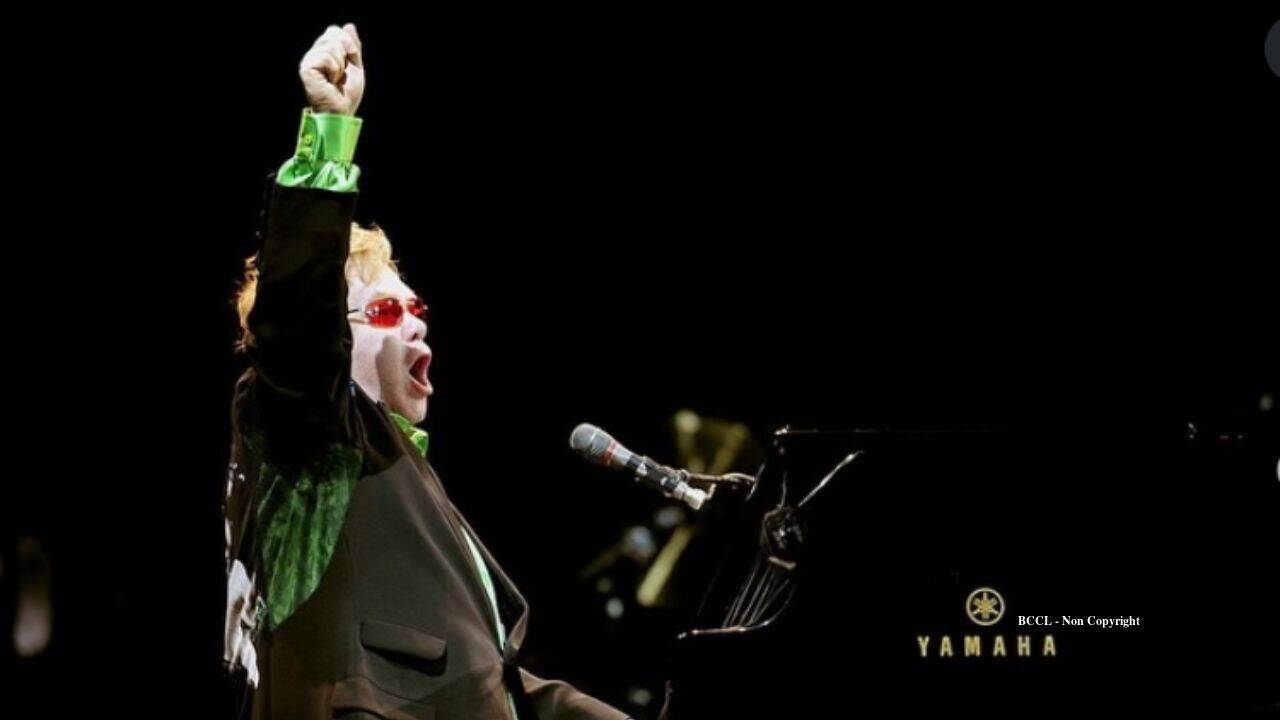 In 2016, Elton John gave a piano to a London railway station for anyone to play; 10 years later, the instrument is going to auction with an estimate of £120,000 to £250,000 to benefit his AIDS foundation
This domestic integration of the piano laid the groundwork for its profound influence on American music culture. By the late 1800s, distinctly American styles such as ragtime and jazz emerged, heavily reliant on the piano's ability to merge melody, harmony, rhythm, and bass. Scott Joplin’s syncopated compositions exemplified this new musical identity, blending formal structure with lively rhythms.
Jazz further expanded the piano's role, as artists like Jelly Roll Morton and Duke Ellington utilized it both as a solo instrument and a compositional tool. Techniques developed by Art Tatum and later figures such as Oscar Peterson and Thelonious Monk revealed the instrument’s potential for rhythmic and harmonic innovation, confirming its adaptability across venues from intimate clubs to large concert halls.
The piano’s versatility extended into blues and gospel, where it supported expressive bass lines, melodies, and congregational singing. Its capacity to convey a broad emotional spectrum made it indispensable within religious and secular communities alike. This cross-genre utility underscored its status as an instrument without cultural allegiance, available to anyone seeking a musical voice.
In the twentieth century, the piano maintained a central role in American popular music, facilitating songwriting by composers such as Irving Berlin and George Gershwin. The instrument’s capability to offer a full harmonic and melodic framework made it essential for creating widely accessible music, especially before the dominance of recorded sound.
When rock and roll surged in the 1950s, the piano adapted once more, propelled by performers like Little Richard and Jerry Lee Lewis. Despite the electric guitar’s eventual prominence, pianists such as Elton John and Billy Joel demonstrated the keyboard’s enduring appeal and capacity to command large audiences.
This historical progression illustrates not just the piano’s musical flexibility but also its sociocultural significance. It evolved from a mechanical innovation into an instrument bridging professional artistry and everyday music-making. Millions have played the piano without professional ambition, finding personal fulfillment in its expressive range.
The instrument’s mechanical evolution was crucial to its success. Advances in frame strength, string quality, and action responsiveness allowed for greater volume and tonal consistency. This engineering sophistication supported artistic innovation that Cristofori himself could not have envisioned.
Moreover, twentieth-century technological developments transformed the piano once again. The advent of electronic sound generation and MIDI technology expanded its capabilities beyond acoustic limitations, enabling a single player to simulate entire orchestral textures. This fusion of traditional design and digital innovation redefined the piano’s role in modern music.
The piano’s story reflects a rare synergy between engineering and creativity, illustrating how technical refinement can amplify artistic possibilities. Its presence in diverse musical traditions and settings speaks to a universal appeal grounded in both functionality and emotional resonance.
From intimate family gatherings before electronic entertainment to contemporary concert stages and studios, the piano has played a vital role in shaping cultural expression. It continues to be a touchstone for musical exploration and community connection, linking historical roots with ongoing innovation.
The narrative of the piano underscores how an invention tailored to a mechanical challenge can become a foundational cultural agent. Its evolution highlights the interplay between technological progress and evolving artistic landscapes, revealing an enduring instrument that remains central to music worldwide.
Future developments in piano technology and music production are poised to expand its influence further, sustaining a legacy that began over three centuries ago. The piano’s adaptability ensures it remains a dynamic and relevant force in diverse musical genres and practices.
Full story & global impact
This article was synthesized and rewritten by MusicTop Editorial from reporting published by americanthinker.com. Read the publisher's report for the complete source context.
Read original source: americanthinker.com