(VIDEO) World Cup Final Debuts First Halftime Show With Shakira, Madonna, BTS and Bieber, Draws Mixed Reviews
Published July 20, 2026 · LATINO

The 2026 FIFA World Cup final featured a historic halftime show curated by Coldplay's Chris Martin, sparking mixed reactions over its American-style entertainment in a traditionally sport-focused event.
The 2026 FIFA World Cup final, held in East Rutherford, New Jersey, marked an unprecedented moment in the tournament’s history by incorporating an elaborate halftime show during the championship match between Spain and Argentina. This innovative entertainment segment, unprecedented in men’s World Cup finals, was designed and curated by Coldplay’s lead singer Chris Martin, emphasizing a blend of global musical influences.
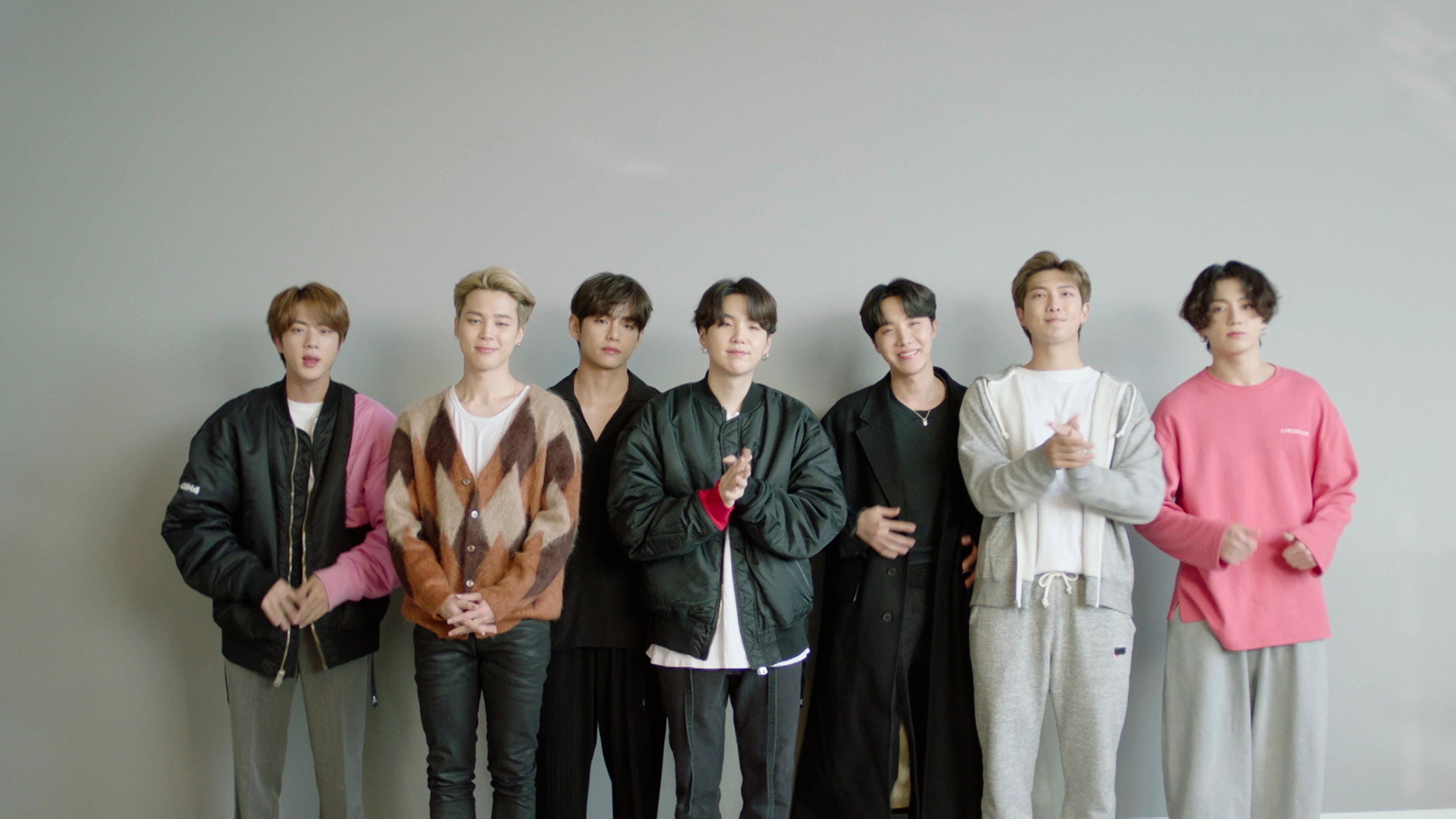
Extending the traditional halftime break to an extensive 27 minutes, the show featured a diverse lineup of internationally renowned performers. Madonna opened the program from the stadium tunnel before moving onto the field, setting the tone for a multifaceted production. The lineup also included Colombian superstar Shakira, Nigerian artist Burna Boy, South Korean pop sensation BTS, Canadian singer Justin Bieber, and a special appearance by the Muppets conducted by Gustavo Dudamel. Actor Jason Sudeikis appeared in character as Ted Lasso to segue between performances, adding a theatrical element to the event.
Related stories
 (VIDEO) ENHYPEN Scores First Billboard 200 No. 1 With 'The Sin: Bliss,' Sixth K-Pop Boy Group To Top Chart
 (VIDEO) Toronto Declares BTS Weekend, Lights City Purple and Renames Street for K-Pop Stars' Sold-Out Shows
 (VIDEO) BTS' Jin Hits 1 Billion Spotify Streams With 'Don't Say You Love Me,' His Fastest Solo Milestone Yet
The performance culminated with a collective moment at midfield where children joined the artists to perform a song themed around love, symbolizing unity and global harmony. The official tournament anthem "Dai Dai," delivered by Shakira and Burna Boy with energetic choreography, was highlighted by many spectators as the show’s most dynamic segment.
This halftime spectacle represented a significant departure from World Cup traditions, which had never previously incorporated a halftime show of this scale during the final match. Hosted jointly by the United States, Mexico, and Canada, the 2026 tournament was promoted as one of the most ambitious sporting events ever staged, aiming to attract an audience of billions worldwide.
Reactions to the halftime performance were polarized. Proponents praised the show’s high energy and professional execution, comparing it favorably to contemporary Super Bowl halftime shows and noting its engaging pacing despite the extended intermission. Critics, particularly soccer purists and traditionalists, expressed disapproval, arguing that such entertainment segments are incongruent with the sport’s established customs and the inherent drama of the World Cup final.
Among the most vocal detractors was former English footballer Wayne Rooney, who publicly dismissed the show’s quality during the broadcast. His perspective echoed a broader skepticism about adopting American-style halftime entertainment in a globally revered soccer tournament.
Despite these criticisms, many commentators and viewers found the halftime program to be an effective and entertaining addition, suggesting that it may signal a new tradition for future World Cup finals. The event’s scale and production quality demonstrated FIFA’s intention to evolve the championship match into a comprehensive spectacle that appeals beyond the traditional soccer audience.
The final match itself was described by observers as cautious and lacking in early excitement, with Spain eventually triumphing over Argentina in extra time. Argentina competed with ten players in the closing stages after a red card, unable to secure back-to-back World Cup titles—a feat last achieved by Brazil in the late 1950s and early 1960s. The political and cultural significance of the final was underscored by the attendance of high-profile figures, including former U.S. President Donald Trump, whose presence added another layer of global attention.
Social media platforms became arenas for ongoing debate following the show, reflecting a wider conversation about balancing tradition and innovation in international sporting events. Supporters highlighted the diverse lineup that included artists from multiple continents, underscoring FIFA’s efforts to maintain inclusivity and global representation. Critics contended that the sport’s inherent appeal renders such spectacles unnecessary.
In conclusion, the 2026 World Cup final halftime show stands as a landmark experiment in the presentation of soccer’s most prestigious match. While it has not achieved unanimous approval, its impact on the future staging of World Cup finals is undeniable, ushering in a new era where music and sport intersect on the world’s biggest stage.
Full story & global impact
This article was synthesized and rewritten by MusicTop Editorial from reporting published by ibtimes.com.au. Read the publisher's report for the complete source context.
Read original source: ibtimes.com.au