Uganda's Ghetto Kids: Dancing with Shakira and Burna Boy at the World Cup 'very, very, very, very, very good'
Published July 24, 2026 · LATINO
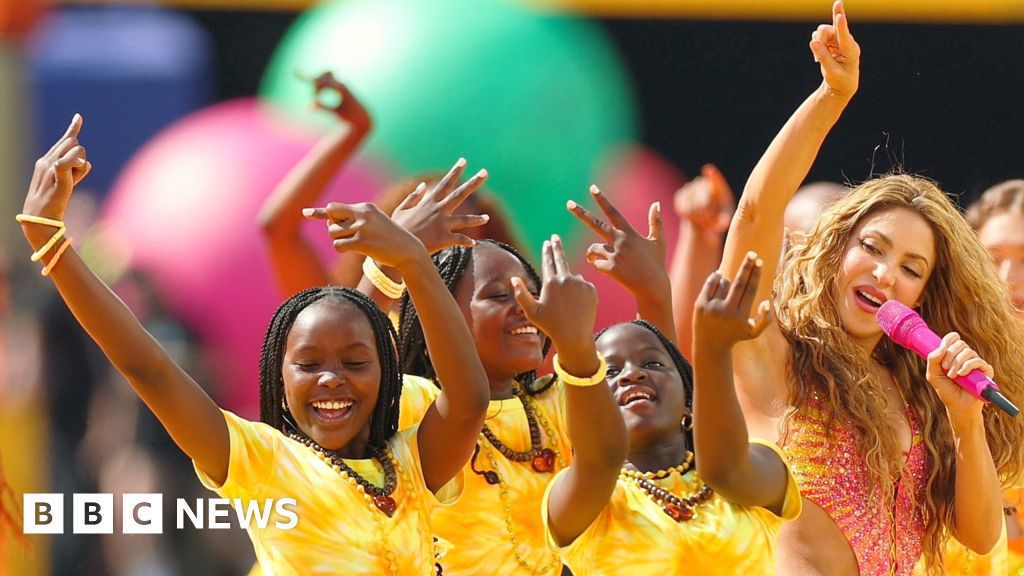
Uganda's Ghetto Kids: Dancing with Shakira and Burna Boy at the World Cup 'very, very, very, very, very good'bbc.com
Emerging from Uganda’s capital, Kampala, the Ghetto Kids dance group reached an international audience during the 2022 FIFA World Cup final half-time performance held in New Jersey. Sharing the stage with renowned global artists Shakira and Burna Boy, the young dancers from Uganda represented a remarkable journey from challenging beginnings to the world’s biggest sporting event.
The group, formed by Dauda Kavuma, is composed of children from disadvantaged backgrounds, many of whom faced homelessness or financial obstacles to education. Kavuma, himself once a street child, established the troupe as a way to nurture local talent and provide opportunities for vulnerable youth. His vision emphasizes education alongside artistic development, with the children attending school during the week and dedicating weekends to rehearsals and online lessons while on tour.
Related stories



Since their inception, Ghetto Kids have gained recognition for their energetic performances that blend various African dance styles with elements of humor and infectious joy. Their skill and charisma first garnered attention locally from musicians such as Eddy Kenzo, and later on the international stage when they appeared in French Montana’s 2017 music video “Unforgettable,” which has since amassed over 1.9 billion views on YouTube.
Their profile continued to rise as they reached the finals of Britain’s Got Talent in 2023 and participated in America’s Got Talent the following year. These appearances cemented their reputation as one of the most vibrant youth dance ensembles emerging from Africa.
The World Cup final presented the group with a platform unparalleled in scope. Performing mid-game at the MetLife Stadium, the young dancers delighted millions worldwide and experienced firsthand the thrill of major sports spectacles. Some members recalled meeting football stars such as Lionel Messi and Spain’s teenage winger Lamine Yamal, adding a personal highlight to their experience.
Their manager described the children’s reaction to the invitation as euphoric, highlighting the natural warmth displayed when the group embraced Shakira and Burna Boy on stage. This moment was a spontaneous gesture of gratitude and affection rather than a rehearsed move.
Beyond entertainment, the exposure has enabled Kavuma to expand support services for the children, including housing, food, and schooling assistance. The troupe’s story is also being chronicled in a documentary titled “Ghetto Kids Documentary: No Plan B,” which aims to shed light on their journey and challenges.
Despite their increasing fame, the emphasis on education remains strong within the group. The children aspire to professional careers outside of dance, with some expressing ambitions to become doctors. Yet, they remain deeply connected to dance as a source of joy and personal transformation.
Ghetto Kids’ progression from street life to global stages highlights the potential of talent development programs in underserved communities. Their story underscores themes of resilience, mentorship, and the power of cultural expression to transcend socioeconomic barriers.
While details about future projects and tours remain limited, the group’s trajectory suggests ongoing opportunities to influence audiences worldwide and inspire young people facing adversity. Their presence at the World Cup final not only celebrated their artistic achievements but also brought attention to broader social issues within Uganda and beyond.
Full story & global impact
This article was synthesized and rewritten by MusicTop Editorial from reporting published by bbc.com. Read the publisher's report for the complete source context.
Read original source: bbc.com