White House Continues Bad Bunny Mockery by Using His Music to Promote ICE Deportations
Published July 31, 2026 · LATINO

Back in February, the Puerto Rican rapper called out ICE during his Grammys acceptance speech The post White House Continues Bad Bunny Mockery by Using His Music to Promote ICE Deportations appeared first on TheWrap.
The White House has recently sparked controversy by utilizing a track from Puerto Rican artist Bad Bunny in a video endorsing Immigration and Customs Enforcement (ICE) deportations. This development adds a new layer to the ongoing public dispute between the administration and the rapper, known for his outspoken criticism of immigration enforcement tactics.
In a TikTok video released through the White House’s official account, snippets of Bad Bunny’s song "LA MuDANZA" serve as the soundtrack to imagery featuring former President Donald Trump celebrating, interspersed with scenes of individuals being detained and escorted by ICE agents. The video alters the song’s original lyric, which praises parents for their achievements, to instead commend Trump for his actions, reflecting a provocative recontextualization of the music.
Related stories
White House tips Nicki Minaj as next press secretary?
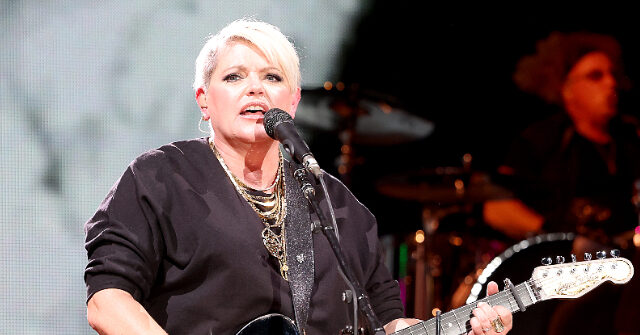 White House Slams The Chicks’ Natalie Maines as a 'Despicable Nobody' with 'Peanut-Sized Brain' After Singer Attacks Trump
This move follows a year marked by escalating friction between Bad Bunny and the Trump administration. The artist, famed for his socially conscious lyrics and activism, publicly denounced ICE during his acceptance speech for the Best Música Urbana Album at the Grammys in February. During that moment, he condemned the treatment of immigrants and emphasized a humanitarian perspective, calling for love and understanding rather than hatred.
The tension intensified following the announcement that Bad Bunny would headline the 2026 Super Bowl halftime show. Trump responded by criticizing the selection and planning alternative programming featuring Kid Rock to compete with the official NFL event. He disparaged Bad Bunny’s performance style and questioned its appeal and appropriateness, especially for younger audiences, framing it as misaligned with American values and cultural standards.
Bad Bunny’s response to these political provocations has been consistent with his previous advocacy. His Grammy speech underscored the humanity of immigrants and rejected the dehumanizing rhetoric often associated with immigration enforcement. His call to "ICE OUT" was a direct rebuke of the agency’s policies and a plea for compassion toward immigrant communities.
The White House’s recent use of Bad Bunny’s music in a campaign video promoting ICE deportations signals an unusual intersection of pop culture and political messaging. By repurposing a song that originally celebrated family and resilience, the administration appears to be engaging in a form of cultural appropriation aimed at reframing the artist’s message to align with its immigration enforcement agenda.
This incident also highlights broader cultural and political battles playing out in the public sphere, where artists and political figures clash over representation, policy, and the meaning of American identity. Bad Bunny’s rising prominence and his willingness to critique powerful institutions have made him a focal point in debates surrounding immigration and social justice.
While details about the internal decision-making behind the White House’s video remain limited, the public reaction underscores the sensitivity surrounding the use of artistic works in political contexts, especially when the original creator has taken a clear stance opposing the policies being promoted.
As the 2026 Super Bowl approaches, the continued antagonism between Bad Bunny and political figures like Trump may shape not only entertainment headlines but also dialogues about cultural influence and political expression in the United States.
Full story & global impact
This article was synthesized and rewritten by MusicTop Editorial from reporting published by thewrap.com. Read the publisher's report for the complete source context.
Read original source: thewrap.com