Raj trails national avg in rural tap water coverage
Published July 31, 2026 · LATINO
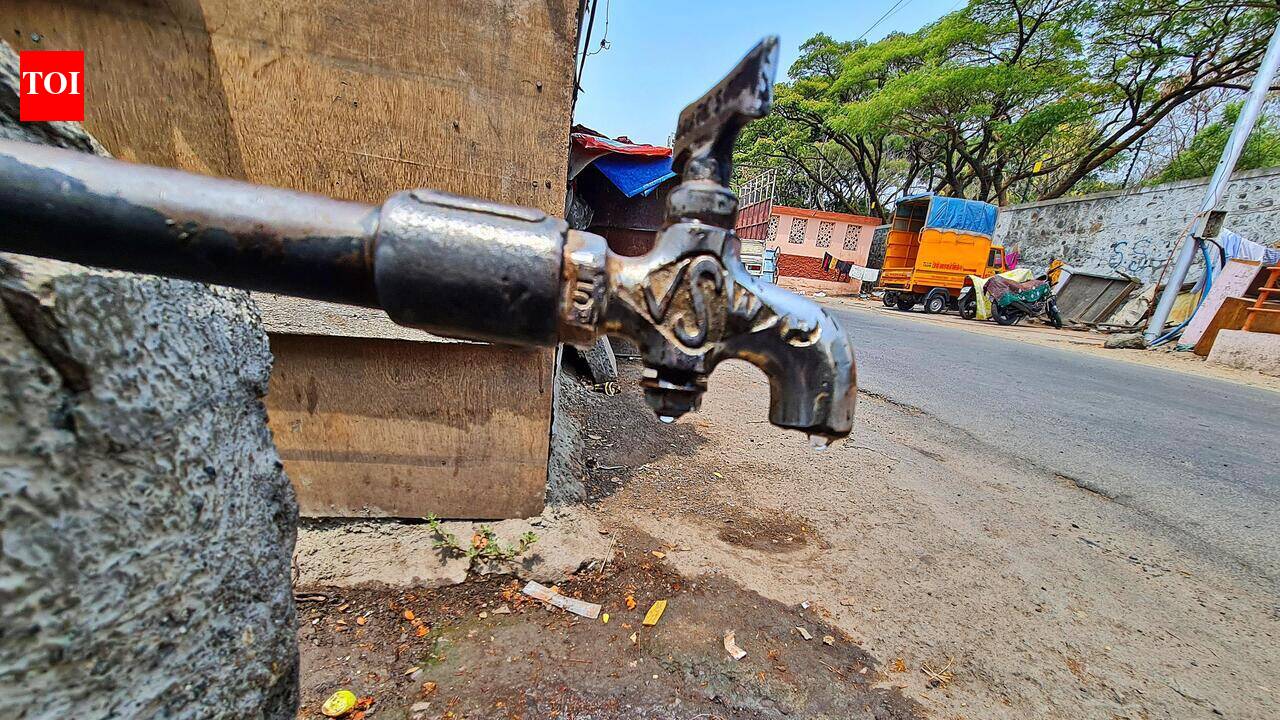
Rajasthan has tap water in 59.11% rural homes vs 82.09% national average; Centre allocates Rs 4,503 crore under JJM 2.0 for 2026-27, mission extended to 2028.
Rural households in Rajasthan continue to face challenges in accessing tap water, with coverage notably trailing the national figure. According to data reported by timesofindia.indiatimes.com, just over 59% of rural homes in the state have tap water connections, contrasting sharply with the nationwide average, which surpasses 82%. This disparity highlights ongoing infrastructure gaps in water supply across Rajasthan's rural regions.
The central government has recognized these disparities and is addressing them through the Jal Jeevan Mission (JJM), an initiative aimed at providing potable tap water to rural households. For the fiscal year 2026-27, the government has earmarked an allocation of Rs 4,503 crore under the second phase of the mission, known as JJM 2.0. This funding is part of a broader strategy to bolster water accessibility and improve living standards in under-served areas.
Related stories

Significantly, the mission's timeline has been extended to 2028, allowing for enhanced implementation and sustained infrastructural development. This extension is pivotal in ensuring that more rural communities, including those in Rajasthan, can benefit from comprehensive water supply schemes within a realistic timeframe.
Despite the infusion of funds and renewed focus, Rajasthan's rural water coverage remains a pressing concern. The state’s figure, which falls nearly 23 percentage points below the national average, suggests that infrastructural and logistical challenges persist. These include difficulties in pipeline installation, maintenance, and the geographic hurdles posed by Rajasthan's vast and often arid landscape.
The Jal Jeevan Mission’s second phase aims to rectify these issues through targeted investments and improved project management. The enhanced budget allocation is intended to facilitate the expansion of water supply networks, upgrade existing systems, and promote sustainable water use practices in rural communities.
Rajasthan’s lag in tap water access also underscores broader socio-economic disparities between states. Access to safe and reliable water is critical for health, hygiene, and overall quality of life, making Rajasthan’s lower coverage a significant development challenge.
While progress has been made in some regions, the uneven distribution of tap water indicates the need for more tailored approaches that consider local conditions. This may involve integrating traditional water conservation methods with modern infrastructure to maximize efficiency and coverage.
The Jal Jeevan Mission’s extension to 2028 provides a window for these adaptive strategies to be tested and implemented. However, the success of this initiative will depend on effective coordination between central and state governments, adequate resource allocation, and community engagement.
As Rajasthan strives to enhance its rural water infrastructure, monitoring and evaluation will be crucial to ensure that the allocated funds translate into tangible improvements. The state's performance relative to the national average remains a critical benchmark for assessing progress in this vital area of public welfare.
In summary, Rajasthan’s rural tap water access situation remains below national standards, but ongoing government initiatives backed by substantial funding and extended timelines offer a pathway toward bridging this gap. Continued efforts will be essential to transform these plans into widespread access to safe drinking water for rural populations across the state.
Full story & global impact
This article was synthesized and rewritten by MusicTop Editorial from reporting published by timesofindia.indiatimes.com. Read the publisher's report for the complete source context.
Read original source: timesofindia.indiatimes.com