White House Posts TikTok with Bad Bunny Song Playing over ICE Montage, but It's Been Muted
Published August 2, 2026 · LATINO
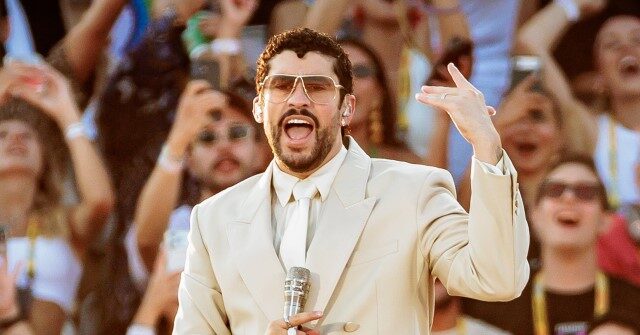
The White House unapologetically used anti-ICE Puerto Rican rapper Bad Bunny's tune in a new video celebrating Trump's deportation successes The post White House Posts TikTok with Bad Bunny Song Playing over ICE Montage, but It’s Been Muted appeared first on …
The White House recently released a TikTok video highlighting Immigration and Customs Enforcement (ICE) activities related to deportations during the Trump administration. This clip notably incorporated a song by Puerto Rican artist Bad Bunny, a figure known for his critical views on U.S. immigration enforcement, particularly ICE. However, the audio of the post was subsequently muted, rendering the rapper’s music inaudible.
The video montage showcased various scenes of immigration officers escorting individuals in custody, overlaid with the track "LA MuDANZA" by Bad Bunny. The visuals were paired with captions praising the former president’s immigration policies and actions, including slogans that echoed the administration's campaign rhetoric. Despite the initial inclusion of the song, attempts to play the audio now prompt an error message indicating the sound is unavailable.
Related stories
White House tips Nicki Minaj as next press secretary?
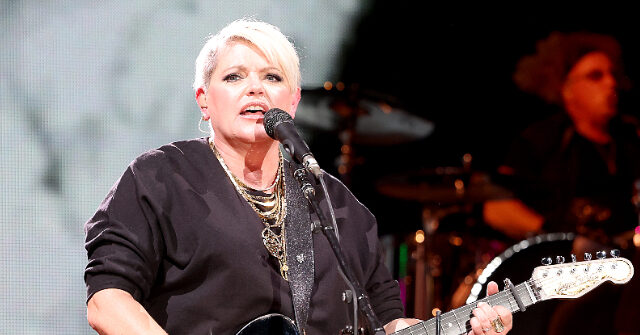 White House Slams The Chicks’ Natalie Maines as a 'Despicable Nobody' with 'Peanut-Sized Brain' After Singer Attacks Trump
Bad Bunny, whose birth name is Benito Antonio Martínez Ocasio, has established a reputation for outspoken criticism against ICE and broader U.S. immigration policies. His public statements and performances have frequently conveyed opposition to the agency's tactics. Earlier in the year, during a major televised event, he openly condemned ICE, expressing solidarity with immigrants affected by enforcement measures.
In addition to vocal dissent, Bad Bunny has used his music and public appearances to highlight immigration issues. For instance, he has refused to perform on the U.S. mainland due to concerns about immigration enforcement presence at his concerts. Instead, he encourages fans to attend shows in Puerto Rico or other locations, citing worries over ICE monitoring and potential detentions around his events.
The rapper’s artistic work has also included symbolic gestures supporting immigrant communities. One music video featured imagery that juxtaposed Puerto Rican identity with iconic American symbols, accompanied by audio impersonating a political apology for harsh immigration policies. This reflects his broader advocacy for immigrant rights and inclusion.
Despite the prominence of his music and his activism, Bad Bunny has not publicly responded to the White House’s use of his song in the TikTok video. The decision to mute the audio has added to the speculation about potential copyright or reputational concerns, though specific reasons for the removal of the sound remain unclear.
The intersection of political messaging and popular music in this instance underscores the complexities of cultural appropriation and the contentious nature of immigration debates in the United States. Using an artist known for opposing the policies being promoted in the video highlights the challenges governmental entities face when repurposing art for political communication.
Details about how the White House obtained rights to use the song, or whether Bad Bunny was consulted or consented to the usage, have not been disclosed. The incident exemplifies ongoing tensions between artists who engage in activism and political institutions that may seek to leverage their work for contrasting agendas.
As of now, the TikTok post remains available with the audio disabled, and no official statements have been made by the White House or the artist regarding the situation. This episode adds a new chapter to the dialogue around music, political expression, and immigration policy in contemporary American discourse.
Full story & global impact
This article was synthesized and rewritten by MusicTop Editorial from reporting published by breitbart.com. Read the publisher's report for the complete source context.
Read original source: breitbart.com