‘Starving to Death’: Young People in Cuba Tell of the Toll of Trump Administration’s Sanctions
Published August 8, 2026 · LATINO
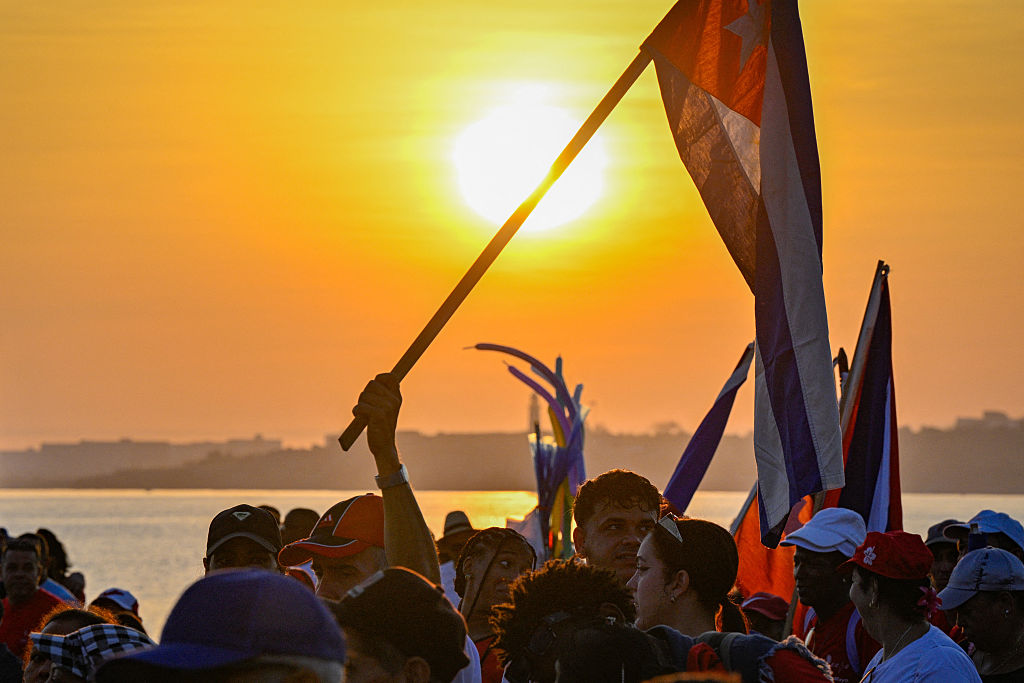
“We know that we are inside of a dictatorship,” says Paula. “We need help to change the government. It has been 70 years without us being able to actually do something about it, like 70 years of brainwashing, of indoctrination, of exile, emigration. The popul…
The longstanding American embargo against Cuba, initiated in 1962 amidst Cold War tensions, continues to inflict profound economic and humanitarian strain on the island nation’s population. Recent escalations in sanctions under the Trump administration have exacerbated already dire conditions, plunging much of Cuba into extended blackouts and crippling access to essential resources.
While the embargo was originally intended to pressure Cuba towards political reform, its enduring impact has largely manifested as widespread deprivation among ordinary citizens, with little indication of governmental change after more than half a century. The cumulative restrictions have severely limited Cuba's ability to engage in international trade, particularly after legislative acts like the Helms-Burton Act of 1996, which penalizes third-party countries and companies trading with Cuba by threatening sanctions from the US.
Related stories
 Cost of living and young people priorities for the PM during first visit to Northern Ireland
Michelle Rodriguez Remembers Hayden Panettiere After Co-Hosting World Music Awards: ‘Can’t Stand How Many Young People Are Leaving Us Lately’
By 2021, Cuba’s designation as a state sponsor of terrorism further tightened the grip on foreign investment and trade, as global banks and businesses face substantial fines for transactions involving the island. This has effectively isolated Cuba from the global financial system, making the importation of vital goods, including medicines and fuel, extraordinarily difficult.
The consequences of these policies have become increasingly visible in 2024, with ongoing fuel shortages disrupting public transportation and essential services. This includes halted garbage collection, leading residents to burn refuse in urban centers, resulting in persistent air pollution and heightened public health risks. Hospitals operate under severe constraints, lacking electricity for critical equipment and water for sanitation, complicating childbirth and patient care.
Everyday life for Cubans has been marked by scarce food supplies and unreliable electricity, with many enduring only a few hours of power per day or sometimes none at all. This shortage affects water availability as well, since many residential water tanks depend on electric pumps. Food preservation is a significant challenge; refrigeration is unreliable, forcing people to cook what they can consume quickly, often turning to charcoal or other alternatives when gas supplies run out.
The economic hardship is particularly acute for younger generations. Many young Cubans who once worked in tourism-related jobs have lost their primary source of income as international travel dwindles. Educational opportunities have also been disrupted, with early school closures and canceled university entrance exams, eroding motivation among students and undermining the future workforce’s prospects.
Health outcomes have deteriorated sharply, with rising child and infant mortality linked to shortages of medical supplies and treatments. The embargo restricts the import of medications containing US components, leaving many essential therapies unavailable. For children with chronic illnesses, such as cancer, survival rates have dropped due to the scarcity of chemotherapy drugs and other vital interventions.
The psychological and social toll is equally pronounced. Residents report chronic exhaustion caused by heat, lack of sleep from nightly power outages, and the daily stress of securing basic necessities. The visible increase in child begging and economic desperation reflects the deepening crisis that affects families’ ability to provide for their children.
Despite these hardships, Cuba’s private sector has shown resilience, with small businesses and cultural activities continuing to emerge even amid the crisis. However, these efforts are hindered by the overarching embargo and infrastructure failures.
International bodies, including the United Nations, have repeatedly urged the United States to lift sanctions against Cuba, highlighting the disproportionate humanitarian impact. Yet, recent policy moves have intensified restrictions rather than eased them, underscoring the gap between stated political objectives and the real-world consequences facing Cuban citizens.
The sustained embargo has thus entrenched economic isolation and humanitarian distress without achieving its political goals, leaving millions of Cubans to navigate a daily reality defined by scarcity, uncertainty, and a struggle for survival.
Full story & global impact
This article was synthesized and rewritten by MusicTop Editorial from reporting published by msmagazine.com. Read the publisher's report for the complete source context.
Read original source: msmagazine.com