Civil Liberties Groups Challenge NYPD DNA Collection From Discarded Cups
Published August 10, 2026 · LATINO
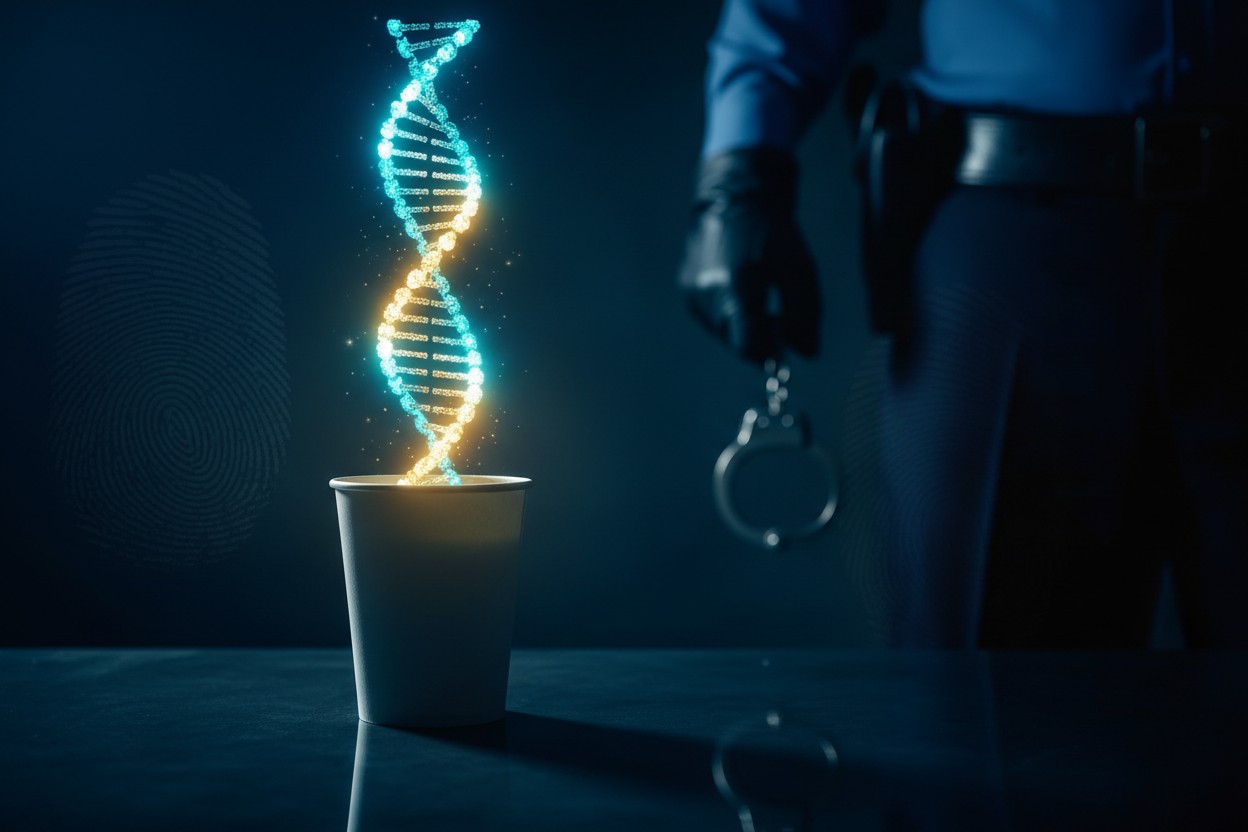
Civil liberties groups have filed a supporting brief in a federal appeal challenging the New York City Police Department’s (NYPD) collection of DNA from cups and other items discarded in police interrogation rooms. The American Civil Liberties Union (ACLU), t…
A coalition of prominent civil liberties organizations has taken a firm stance against the New York City Police Department's method of collecting DNA from items discarded during police interrogations. On July 30, the American Civil Liberties Union (ACLU), the New York Civil Liberties Union (NYCLU), and the Cato Institute submitted a brief to the Second Circuit Court of Appeals supporting plaintiff Shakira Leslie in a case that questions the legality of the NYPD's so-called "Suspect Index."
The Suspect Index, maintained by the Office of the Chief Medical Examiner, reportedly contains nearly 35,000 DNA profiles. These profiles are sourced from genetic material extracted without warrants from objects such as cups left behind in police interrogation settings. The challenge centers on whether this practice violates protections against unreasonable searches under the Fourth Amendment.
Related stories
‘The Traitors: New Blood’ EPs Break Down NBC Premiere, Sweetening the Pot for the Faithful and Why the Civilian Cast ‘Played Hard Straight Away’
Shakira Leslie's experience exemplifies the contested procedure. In July 2019, at age 23, she was in a vehicle stopped by NYPD officers for a traffic infraction. Officers found a firearm in a fanny pack belonging to another passenger but detained all occupants, charging Leslie with weapon possession despite no direct evidence linking her to the contraband. Ultimately, she was never indicted, and the charges were dismissed.
During her time at the precinct, Leslie was held for extended hours without basic amenities before being taken to an interrogation room allegedly prepared to collect genetic evidence. After initially refusing to drink from a government-issued cup, she was persuaded under the pretense that it might be a long wait until another chance arose. After consuming the liquid, she was handcuffed and escorted away, and the cup was retrieved by officers to obtain her DNA from saliva traces.
This case sheds light on a wider, systematic approach reportedly used by the NYPD, involving the collection of DNA through surreptitious means from individuals who are not formally arrested or charged. Critics point out that while the Supreme Court has upheld DNA collection during lawful arrests in Maryland v. King, Leslie's case differs due to the covert nature of evidence gathering without the transparency or legal safeguards typical of booking procedures.
The legal argument put forth emphasizes that the physical act of collecting an object, analyzing its DNA, and maintaining that genetic profile in a searchable database constitute separate actions, each requiring individual legal justification. Moreover, the Suspect Index reportedly includes DNA profiles of minors, individuals never charged with crimes, and those who were acquitted or cleared as suspects. One example cited involves a 12-year-old boy whose DNA was added to the database after detectives provided him a soda and later used the discarded container for profiling.
Concerns have also been raised about potential racial disparities in the application of these practices, with Black and Hispanic communities disproportionately affected. Civil liberties advocates warn that the sensitive nature of DNA—harboring information about ancestry, familial connections, and health predispositions—magnifies the privacy risks involved.
Beyond constitutional questions, the lawsuit challenges the city's maintenance of a separate DNA database that operates outside of New York State's official regulations. State law restricts DNA databank inclusion to convicted individuals and sets parameters for the use and retention of genetic information. The existence of the Suspect Index, containing profiles of people not convicted or even charged, appears to contravene these statutory provisions.
Representatives of the ACLU and NYCLU have emphasized the absence of consent, warrant, or legislative oversight in the NYPD's DNA collection methods. They argue that treating citizens' genetic data with the same disregard as discarded waste undermines fundamental privacy rights.
From the law enforcement perspective, the NYPD maintains that DNA collection remains a critical investigative tool. However, official statements from relevant city departments have been limited, with no public comment forthcoming regarding the ongoing legal dispute.
The federal court has yet to issue a ruling on the constitutional merits of Leslie's claims. The case is poised to test the boundaries of permissible DNA collection practices in policing, balancing crime-fighting interests against individual privacy and civil liberties. Until then, the practices and their broader implications remain under scrutiny, reflecting ongoing tensions in the intersection of technology, law enforcement, and privacy rights.
Full story & global impact
This article was synthesized and rewritten by MusicTop Editorial from reporting published by naturalnews.com. Read the publisher's report for the complete source context.
Read original source: naturalnews.com