What Gustavo Dudamel Pulled Off At The L.A. Phil
Published August 12, 2026 · LATINO

“L.A. became the place that let him try just about anything. … Here is where he’s been able to experiment …, not just with the support of the orchestra but also the community. He became a symbol for an L.A. in which, as with YOLA, anything is possible.” – Los…
Gustavo Dudamel is set to conclude his 17-year tenure as the Los Angeles Philharmonic's music and artistic director with a final series of concerts at the Hollywood Bowl in August 2025. During his leadership, Dudamel expanded the orchestra’s musical range and strengthened its ties with the diverse Los Angeles community, marking a significant shift in the institution's trajectory.
Dudamel’s appointment was announced in 2007, following a decision by then-music director Esa-Pekka Salonen to step down. His selection came after a meteoric rise in the classical music world following his win at the Gustav Mahler Conducting Competition in 2004 and his U.S. debut with the L.A. Phil at the Hollywood Bowl in 2005. This transition was seen as both a bold and calculated move, reflecting the orchestra's desire to embrace innovation while cultivating new audiences.
Related stories

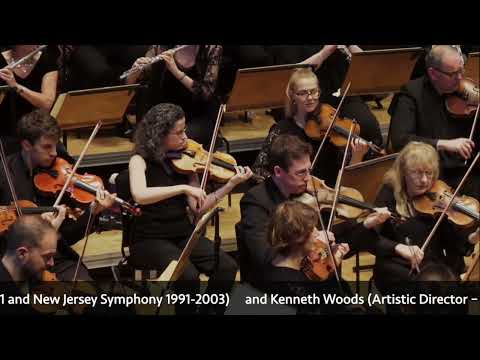

The context for Dudamel’s leadership is rooted in both the orchestra's and Los Angeles’s evolving cultural landscape. The L.A. Philharmonic had established itself as a progressive force under Salonen, supported by the Walt Disney Concert Hall’s opening in 2003. Dudamel’s Venezuelan heritage and background with El Sistema, Venezuela’s renowned music education program, aligned with the Philharmonic’s commitment to community engagement and artistic experimentation.
Dudamel’s vision was informed by his mentor José Antonio Abreu’s philosophy that music can serve as a catalyst for social transformation. This principle underpinned Dudamel’s creation of YOLA (Youth Orchestra Los Angeles), which has become a cornerstone of the Philharmonic’s community outreach, providing music education to underserved youth in Los Angeles with a dedicated facility designed by Frank Gehry.
Throughout his directorship, Dudamel experimented extensively with programming, staging ambitious projects that included the full cycle of Gustav Mahler’s symphonies, often conducted from memory and sometimes involving hundreds of additional performers beyond the orchestra itself. These efforts, alongside innovative opera productions and collaborations with artists across genres, positioned the L.A. Phil as a hub of musical diversity and exploration.
Dudamel also maintained a strong commitment to contemporary music, premiering over sixty new works during his time with the L.A. Phil. He continued the tradition of commissioning new pieces for the orchestra’s opening galas and integrated modern compositions into regular programming, contributing to the orchestra’s reputation for fostering living composers.
While Dudamel’s tenure was marked by enthusiastic public and institutional support, it was not without challenges. Early in his leadership, some orchestra members expressed concerns about his frequent experimentation and evolving approach to repertoire, suggesting a period of adjustment as he refined his artistic direction. Nonetheless, the overall response from the community and audiences affirmed his impact.
One of Dudamel’s most notable ventures was leading the L.A. Philharmonic’s unprecedented performances at the Coachella Valley Music and Arts Festival, which drew vast crowds and demonstrated the orchestra’s ability to engage with unconventional audiences. This crossover event highlighted Dudamel’s vision to blur the boundaries between classical music and popular culture.
As Dudamel prepares to transition to his next role as music director of the New York Philharmonic, his legacy in Los Angeles is multifaceted. He leaves behind an orchestra that is more experimental, socially engaged, and connected to its city than before. His departure opens questions about the next chapter for the L.A. Phil’s artistic leadership and whether his model of inclusivity and adventurous programming will endure.
From an industry perspective, Dudamel's era at the L.A. Philharmonic illustrates the increasing importance of community engagement and cross-genre collaborations in sustaining classical music’s relevance. His success in integrating youth programs like YOLA into the fabric of a major orchestra serves as a model for other institutions seeking to broaden their audience base and social impact.
Moreover, Dudamel’s work demonstrates how an orchestra can balance tradition with innovation, maintaining a core repertoire while embracing contemporary works and diverse artistic partnerships. This approach may influence the touring strategies and recording projects of future music directors who seek to reach beyond conventional classical music audiences.
Unconfirmed details remain about how Dudamel’s final programs at the Hollywood Bowl will encapsulate his vision and whether any retrospective or archival projects will be initiated to document his transformative tenure. The upcoming transition period will be closely watched by the music community as the L.A. Phil charts its course post-Dudamel.
Ultimately, Gustavo Dudamel's time with the Los Angeles Philharmonic reflects a significant evolution in the role of a music director—not only as a conductor but as a community leader and cultural innovator. His impact extends beyond the concert hall, reshaping how orchestras engage with their cities and the broader public.
Full story & global impact
This article was synthesized and rewritten by MusicTop Editorial from reporting published by yahoo.com. Read the publisher's report for the complete source context.
Read original source: yahoo.com