In 1968, a blind Puerto Rican singer recorded California Dreamin’. 51 years later, Quentin Tarantino used it in a Hollywood film starring Leonardo DiCaprio and Brad Pitt
Published August 23, 2026 · LATINO
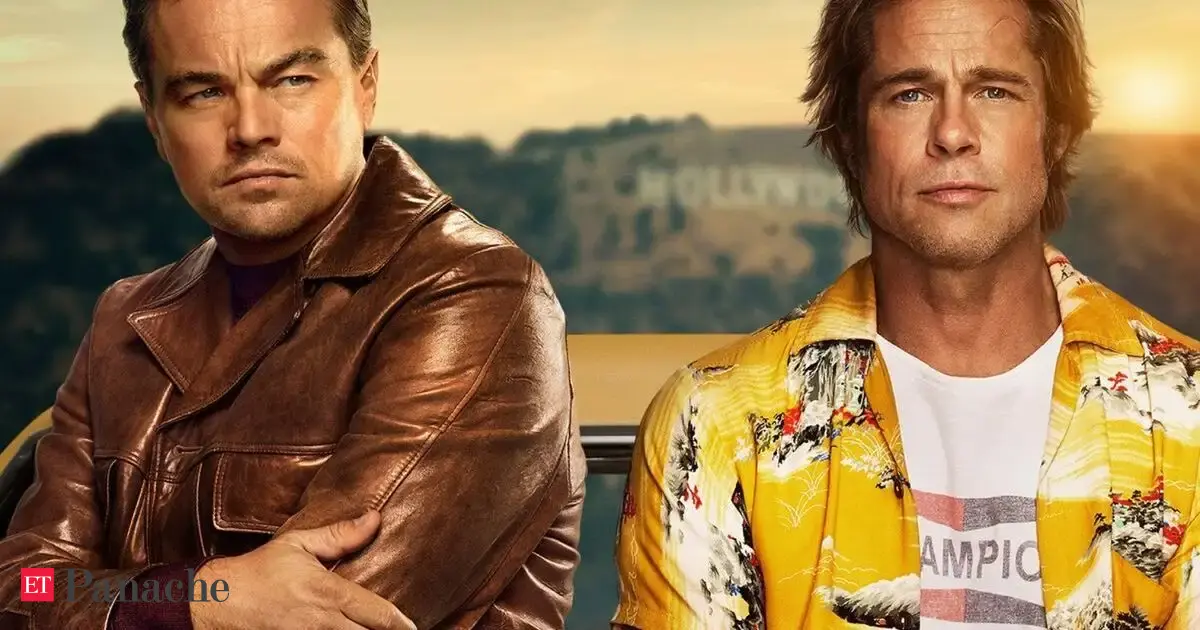
The 1968 soulful version of California Dreamin' by José Feliciano found new life thanks to Quentin Tarantino's use of the track in his 2019 film set in the heart of 1969's Los Angeles. By intertwining the song with his cinematic vision, Tarantino introduced F…
In 1968, Puerto Rican singer José Feliciano offered a distinctive and soulful rendition of the iconic song "California Dreamin’," originally popularized by The Mamas & the Papas. This version, characterized by Feliciano’s unique vocal style and guitar work, stood apart from the original, highlighting his artistry and musical interpretation.
Decades later, the song experienced a resurgence in visibility through an unexpected vehicle: Quentin Tarantino’s 2019 film "Once Upon a Time in Hollywood." Set against the backdrop of 1969 Los Angeles, the movie sought to evoke the cultural and social atmosphere of that era, including its music scene. Tarantino’s choice to incorporate Feliciano’s rendition of "California Dreamin’" into the film’s soundtrack strategically connected the audience to the period’s authentic soundscape.
Related stories

The inclusion of Feliciano’s recording in this high-profile Hollywood production introduced the artist’s work to a broad, modern audience, many of whom may not have been familiar with this soulful adaptation. It bridged a gap of more than five decades between the song’s original release and contemporary popular culture. Through this cinematic context, Feliciano’s contribution was not only preserved but revitalized, underscoring the enduring power of his interpretation.
José Feliciano, who is blind, had already secured a place in music history with his distinctive voice and guitar skills by the late 1960s. His version of "California Dreamin’" added a layer of emotional depth distinct from the original, marked by a blend of Latin influences and soulful expression. This approach resonated with listeners who appreciated a fresh perspective on a well-known tune.
The use of the song in "Once Upon a Time in Hollywood" also reflects Tarantino’s meticulous attention to musical detail in his films. By selecting tracks that complement the storytelling and period setting, he enhances the viewer’s immersion into the narrative. Feliciano’s "California Dreamin’" thus becomes more than a background element; it acts as a cultural touchstone within the film’s recreation of 1969 Los Angeles.
While the original "California Dreamin’" remains a staple of 1960s folk rock, Feliciano’s soulful cover highlights the diversity of interpretations that classic songs can inspire. The renewed attention brought by Tarantino’s film has sparked interest in Feliciano’s broader catalog, inviting listeners to explore his musical legacy further.
Although detailed information regarding the impact of this renewed exposure on Feliciano’s career remains limited, the collaboration between a historic musical piece and contemporary cinema exemplifies how art from past decades continues to influence and resonate within today’s cultural landscape.
In summary, the 1968 recording of "California Dreamin’" by José Feliciano gained a new lease on life through its integration into a major 2019 Hollywood film. This intersection of music and film highlights the lasting significance of Feliciano’s soulful artistry and underscores how cinematic choices can revive and celebrate musical heritage.
Full story & global impact
This article was synthesized and rewritten by MusicTop Editorial from reporting published by economictimes.indiatimes.com. Read the publisher's report for the complete source context.
Read original source: economictimes.indiatimes.com