The Songs of a Downwardly Mobile Summer
Published August 25, 2026 · LATINO
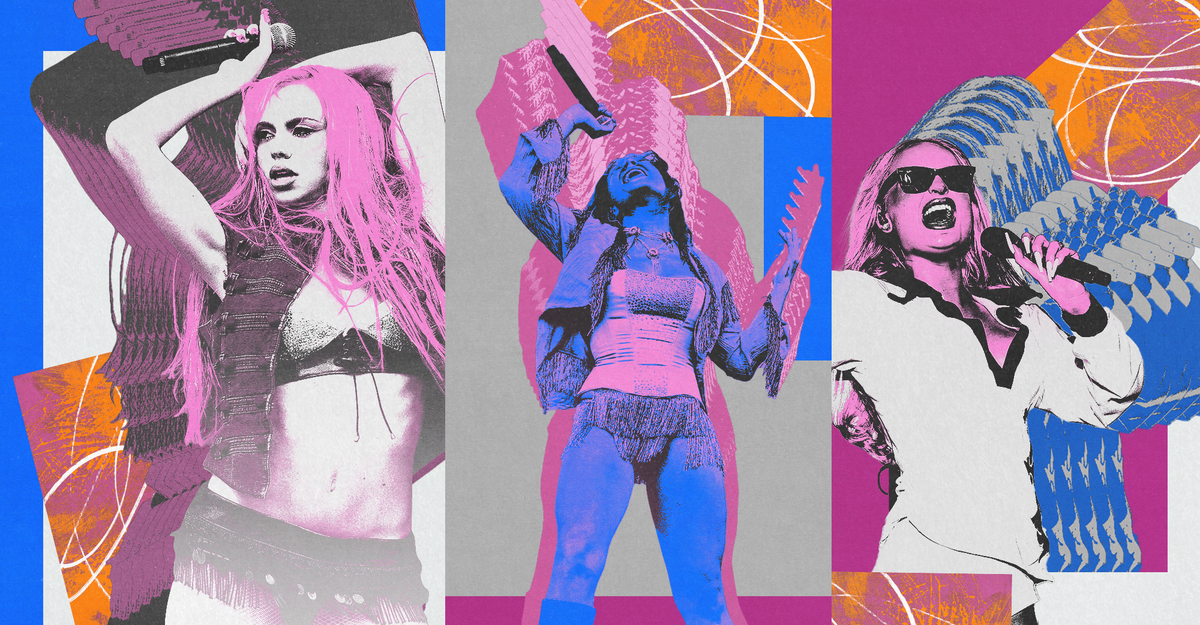
The mainstream is disintegrating. What’s a frustrated pop star to do?
Over a decade after Miley Cyrus’s 2009 hit "Party in the U.S.A.", pop music has evolved from embodying a shared national optimism to expressing a more fractured and nuanced perspective on fame and success. Once emblematic of a confident America still clinging to its cultural narratives, songs like Cyrus’s portrayed the journey to stardom as straightforward and aspirational. This image has since been disrupted by shifts in both the music industry and societal attitudes.
The early 2010s witnessed a genre dubbed "recession pop," characterized by buoyant, uncomplicated anthems that provided escapism during economic downturns. However, this style has largely vanished from mainstream charts, not simply due to changes in public sentiment but also as a result of streaming platforms fragmenting audiences and diminishing the influence of traditional broadcast channels. Consequently, pop music now occupies a more niche position, often overshadowed by genre-specific styles like hip-hop, country, and introspective singer-songwriter material.
Related stories


The current landscape reveals a different kind of pop, one steeped in reflective nostalgia and a certain awareness of the American dream’s decline. Emerging artists are crafting party anthems that mingle glamour with disillusionment, illustrating how pop today dances amidst the ruins of its own past grandeur.
One notable example is Adéla, a Slovakian singer-songwriter whose 2023 single "Ain’t in LA" reinterprets the themes of early Miley Cyrus songs but with a critical twist. Adéla’s lyrics reveal the dissonance between the allure of Hollywood and the reality that many dreamers face, emphasizing that the ultimate success may not lie in Los Angeles. Her music video, set in Bratislava, combines contemporary pop imagery with traditional Slovak elements, underscoring a message that fulfillment might be found outside the conventional entertainment capitals.
Adéla’s background includes participation in "The Debut: Dream Academy," a reality show co-produced by Geffen Records and Korea’s Hybe. The program aimed to create an English-language girl group modeled after the intense training of K-pop stars, highlighting how American pop’s star-making system is adapting in response to international competition. Although Adéla’s journey on the show ended early, she has since cultivated a solo career marked by a blend of electronic textures and candid reflections on the music industry’s challenges.
Meanwhile, Slayyyter, a 29-year-old artist from St. Louis, has pushed this introspective, raw aesthetic further with her third album released in 2024. Her work, described as part of a burgeoning "hyperclash" style—a fusion of chaotic hyperpop and electroclash influences—explores themes of fame’s hardships and personal breakdowns. Slayyyter’s music juxtaposes aggressive and vulnerable elements, culminating in chart success and increased recognition, including her first entry on the Billboard Hot 100. This trajectory exemplifies how contemporary pop is embracing imperfection and complexity rather than polished fantasies.
This wave of artists reflects a broader cultural reckoning with the myth of celebrity and the American dream. Figures such as Tinashe and Kim Petras have also adopted more experimental and grounded approaches in recent releases, focusing on the realities of stardom and regional identities rather than unattainable glamour. Petras, for instance, has shifted from a Malibu socialite image to embracing themes of everyday, middle-American experiences in her latest independent work.
Despite their critical perspective, these musicians remain integrated into the major-label system, indicating that the industry still finds commercial potential in this revised pop sensibility. The music business appears to be capitalizing on current public sentiments of economic uncertainty, cultural skepticism, and a desire for authenticity and relatability over extravagance.
This evolution coincides with wider cultural shifts where the once-centralized notion of success is questioned. The popularity of songs like Ella Langley’s "Choosin’ Texas" and the global rise of non-English-language artists such as Bad Bunny highlight a growing appreciation for localized identities and alternative pathways to achievement. They challenge the idea that dreams must be fulfilled in traditional hubs like Los Angeles or New York.
In sum, today’s pop music landscape is less about universal anthems and more about personal narratives that confront disillusionment, regional pride, and the complexities of contemporary life. The genre continues to adapt, finding new ways to resonate with audiences who are increasingly skeptical of past promises and more attuned to the realities of a changing world.
Full story & global impact
This article was synthesized and rewritten by MusicTop Editorial from reporting published by theatlantic.com. Read the publisher's report for the complete source context.
Read original source: theatlantic.com