How Kamala Harris’ campaign lied about Beyonce, Taylor Swift and Bad Bunny to attract and exploit crowds
Published September 16, 2026 · LATINO

Former DNC fundraiser Lindy Li details the shadiness in her new book.
The 2024 campaign trail for Vice President Kamala Harris has been marred by allegations of misleading tactics involving high-profile musicians, according to a recent exposé by a former Democratic National Committee (DNC) fundraiser. Lindy Li, who played a prominent role in fundraising efforts for both President Joe Biden in 2020 and Harris in 2024, has revealed in her new memoir that the Harris campaign repeatedly used false promises of celebrity performances to attract and energize crowds.
This strategy reportedly began in earnest during the Democratic National Convention in Chicago, where the campaign circulated rumors that global superstar Beyoncé would perform on the final night. The claim was leveraged to fill the United Center with tens of thousands of delegates, volunteers, and media members. However, Beyoncé did not appear, leading to widespread disappointment and accusations that the campaign had deliberately fabricated the announcement to inflate attendance and enthusiasm.
Related stories
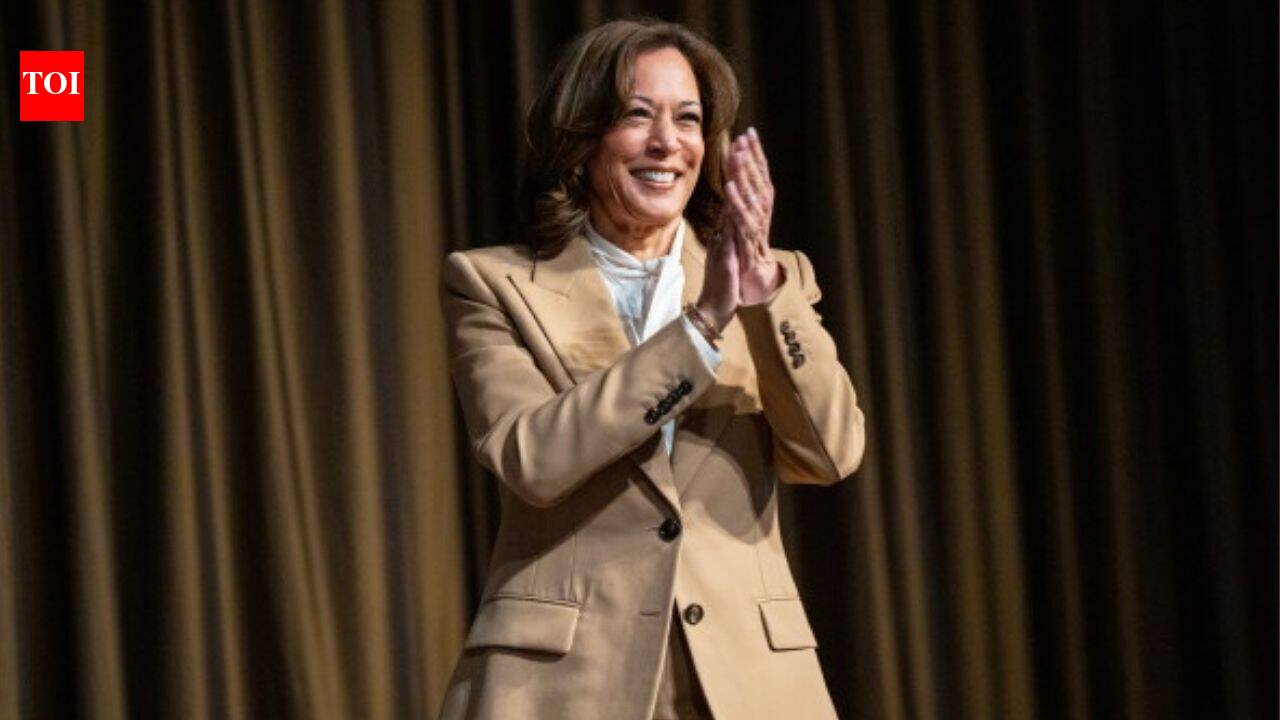

Li describes the atmosphere at the convention as one of growing disillusionment following the no-show, particularly among younger voters who had been enticed by the prospect of the pop icon’s involvement. The perceived deception underscored what critics characterized as a broader failure of the Harris campaign to deliver on high-profile promises and manage political optics effectively.
The fallout was not limited to Chicago. In the weeks leading up to the 2024 presidential election, similar tactics were reportedly employed at a major rally in Houston on October 25. Once again, the campaign hinted at Beyoncé’s participation, only to disappoint the crowd when she failed to appear. This pattern of raising expectations with celebrity allurements, only to retract them, intensified frustration among supporters and observers alike.
As Election Day approached, the campaign continued to stoke speculation about appearances by other eminent musicians. Rumors suggested that Pennsylvania native Taylor Swift would perform at a final rally in Philadelphia—an important swing state venue—or that Latin music star Bad Bunny might make an appearance to galvanize younger demographics.
However, when the moment arrived, the campaign unveiled Katy Perry as the featured artist, a decision met with skepticism and criticism. Critics pointed out that Perry’s recent work had been less commercially successful and that her musical style did not carry the same cultural weight or voter mobilization potential as the previously teased artists. Perry’s performance was characterized by some as a lackluster conclusion to a series of overhyped celebrity promises.
The repeated use of high-profile names as a tool to draw crowds and generate media attention raised questions about the ethical implications of such tactics. Observers noted that the campaign appeared to treat these celebrity endorsements and appearances as transactional crowd-pulling devices rather than genuine artistic collaborations or political endorsements.
Li’s account suggests a calculated approach by campaign strategists, who were willing to risk public trust for short-term gains in visibility and enthusiasm. The strategy may have backfired by alienating key voter segments who perceived the repeated false promises as a breach of trust. The resulting backlash highlights the risks political campaigns face when relying heavily on star power without delivering on commitments.
While the full extent of the internal decision-making process remains less clear, the public record reflects a pattern of inflated expectations followed by unmet promises regarding celebrity involvement. This pattern has become a focal point for critics who argue that such missteps contributed to the challenges Harris faced in securing voter confidence during a tightly contested election cycle.
Ultimately, the controversy underscores the complex interplay between entertainment and politics in modern campaigns, where celebrity endorsements and appearances can serve as pivotal elements of voter outreach strategies. Yet, as the Harris campaign’s experience illustrates, the misuse or overpromising of such assets carries significant reputational risks that can impact electoral outcomes.
Details surrounding the motivations and internal reactions within the campaign to these revelations remain limited, but the narrative presented by Li provides a cautionary tale about the potential consequences of prioritizing spectacle over substance in political campaigning.
Full story & global impact
This article was synthesized and rewritten by MusicTop Editorial from reporting published by nypost.com. Read the publisher's report for the complete source context.
Read original source: nypost.com