Lula Teams With Bad Bunny to Highlight Dangers of Trump’s Colonial Ambitions Across Latin America
Published September 25, 2026 · LATINO
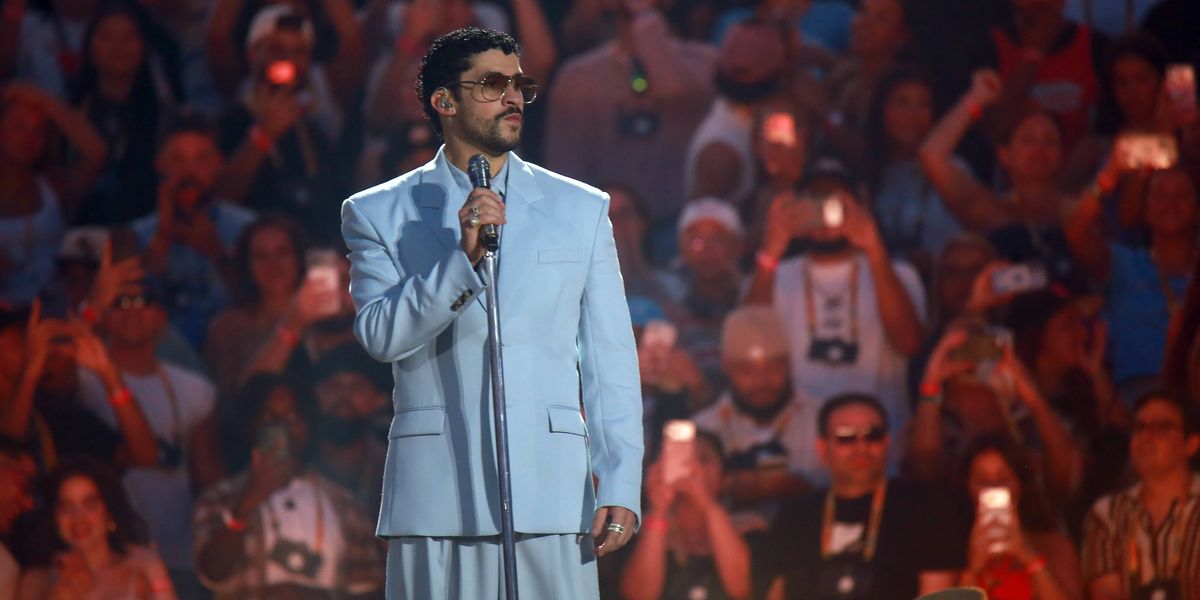
The campaign of Brazilian President Luiz Inácio Lula da Silva released new advertisements this week that sounded alarms about the threat posed by US President Donald Trump to the country's sovereignty and resources.One ad, released on Tuesday, features a Port…
Brazilian President Luiz Inácio Lula da Silva has intensified his campaign rhetoric by spotlighting concerns over foreign influence, particularly from the United States, through a novel collaboration with Puerto Rican music icon Bad Bunny. This strategic move accompanies Lula’s ongoing efforts to counter narratives threatening Brazil’s national sovereignty ahead of upcoming elections.
Earlier this week, Lula’s campaign unveiled a set of advertisements that blend cultural expression with political messaging. Central to these was a video incorporating a Portuguese adaptation of Bad Bunny's track "Lo Que Le Pasó a Hawaii," a song that critiques historical and contemporary US imperialist actions across Latin America. The song, familiar to many from Bad Bunny's recent Super Bowl halftime performance, underscores a shared cultural resistance to external domination.
Related stories
Líderes latinoamericanos felicitan a Lula da Silva por su reelección y apelan a la integración regional
The advertisement juxtaposes Brazil's diverse cultural and ecological richness with the song's critical tone, culminating in a declaration that Brazil's resources and future belong solely to its people. Bad Bunny's participation, reportedly authorized by the artist himself, marks a rare intersection of music and political advocacy aimed at opposing what Lula’s team frames as neo-colonial ambitions.
A subsequent ad released days later took a more direct approach by linking US President Donald Trump’s influence to Brazilian far-right politics. The video explicitly connected Trump to Flávio Bolsonaro, a prominent presidential contender and son of former President Jair Bolsonaro, who currently faces legal consequences for his role in efforts to destabilize Lula’s government.
This ad portrays Flávio Bolsonaro as an extension of Trump’s agenda, alleging that their shared objective is to undermine Brazil’s autonomy by exploiting its wealth and jeopardizing its future. The campaign suggests that Bolsonaro’s candidacy poses a threat not only to domestic democratic institutions but also invites renewed external interference reminiscent of colonial patterns.
President Lula has reinforced this narrative in public addresses, including a speech at the United Nations General Assembly. While refraining from naming specific countries, Lula emphasized Brazil’s determination to reject any attempts to compromise its independence or treat it as a subordinate entity within global geopolitics.
Social media communications from Lula echo these themes, cautioning that opponents seek to diminish Brazil’s control over its resources and destiny. The framing of Flávio Bolsonaro as aligned with foreign interests serves as a strategic warning to voters about the broader implications of their electoral decisions.
This campaign effort reflects broader tensions in Latin America, where sovereignty and resource control remain central themes amid shifting political alliances and external pressures. Lula’s use of a prominent musical figure like Bad Bunny signals a recognition of cultural influence as a powerful tool in shaping public discourse beyond traditional political channels.
Details about the full scope of this collaboration and the campaign’s future messaging remain limited, but the initial releases underscore a deliberate effort to blend cultural symbolism with pointed political critique. As Brazil approaches its election cycle, the intersection of music, politics, and sovereignty debates is likely to remain at the forefront of public attention.
The campaign’s framing of Trump’s policies and their alleged local supporters positions Brazil within a larger regional contest over autonomy and external influence, highlighting the continuing relevance of these issues in Latin American political landscapes. Lula’s strategy exemplifies a nuanced approach that leverages both cultural resonance and explicit political messaging to engage voters on critical national themes.
Full story & global impact
This article was synthesized and rewritten by MusicTop Editorial from reporting published by commondreams.org. Read the publisher's report for the complete source context.
Read original source: commondreams.org