Bad Bunny’s huge world tour show runs off one small rack of servers
Published October 13, 2026 · LATINO
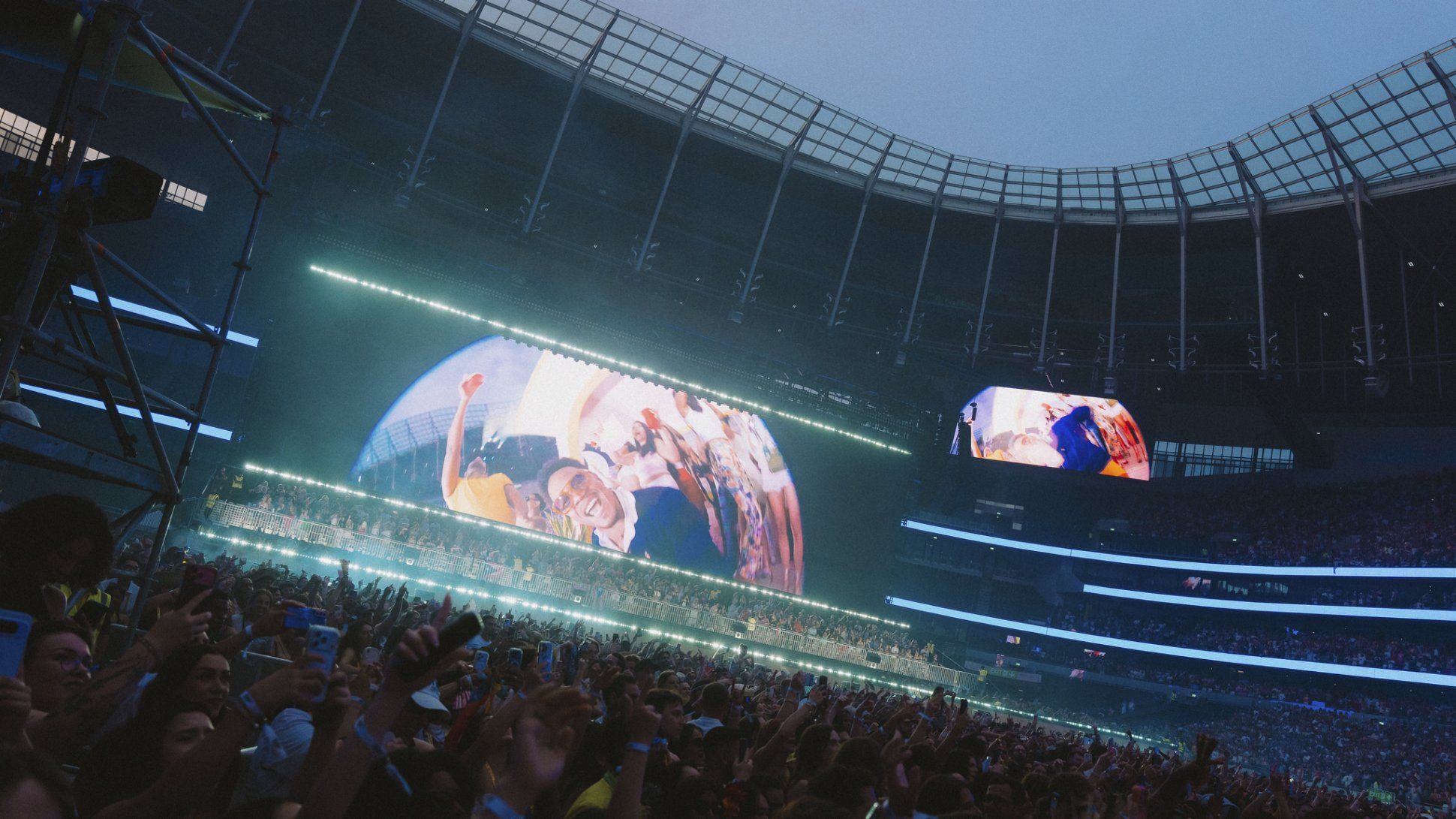
Disguise invited me backstage to see how its media servers helped deliver the visuals for one of the most ambitious world tours in history.
Bad Bunny's 2026 world tour has emerged as a landmark event in live music production, not solely due to the artist’s global stature but also because of the sophisticated technology orchestrating the show’s visuals. Drawing over 104,000 fans during a sold-out weekend in the UK, the tour followed a historic Grammy win and a Super Bowl halftime performance, setting the stage for an ambitious multimedia spectacle that redefined stadium concert technology.
Central to delivering this immersive experience was Carlos “Charly” Camina, the media server engineer who managed the tour’s visual backbone. Despite the monumental scale of the production, the entire visual system operated on just four Disguise GX 3+ servers, with an additional GX 3 server held in reserve as a backup. This represents a reduction from the Puerto Rico leg of the tour, even as the shows expanded with larger screens and more complex content layers, requiring high-resolution 4K input at a remarkable 10,752 by 2,816 pixels.
Related stories
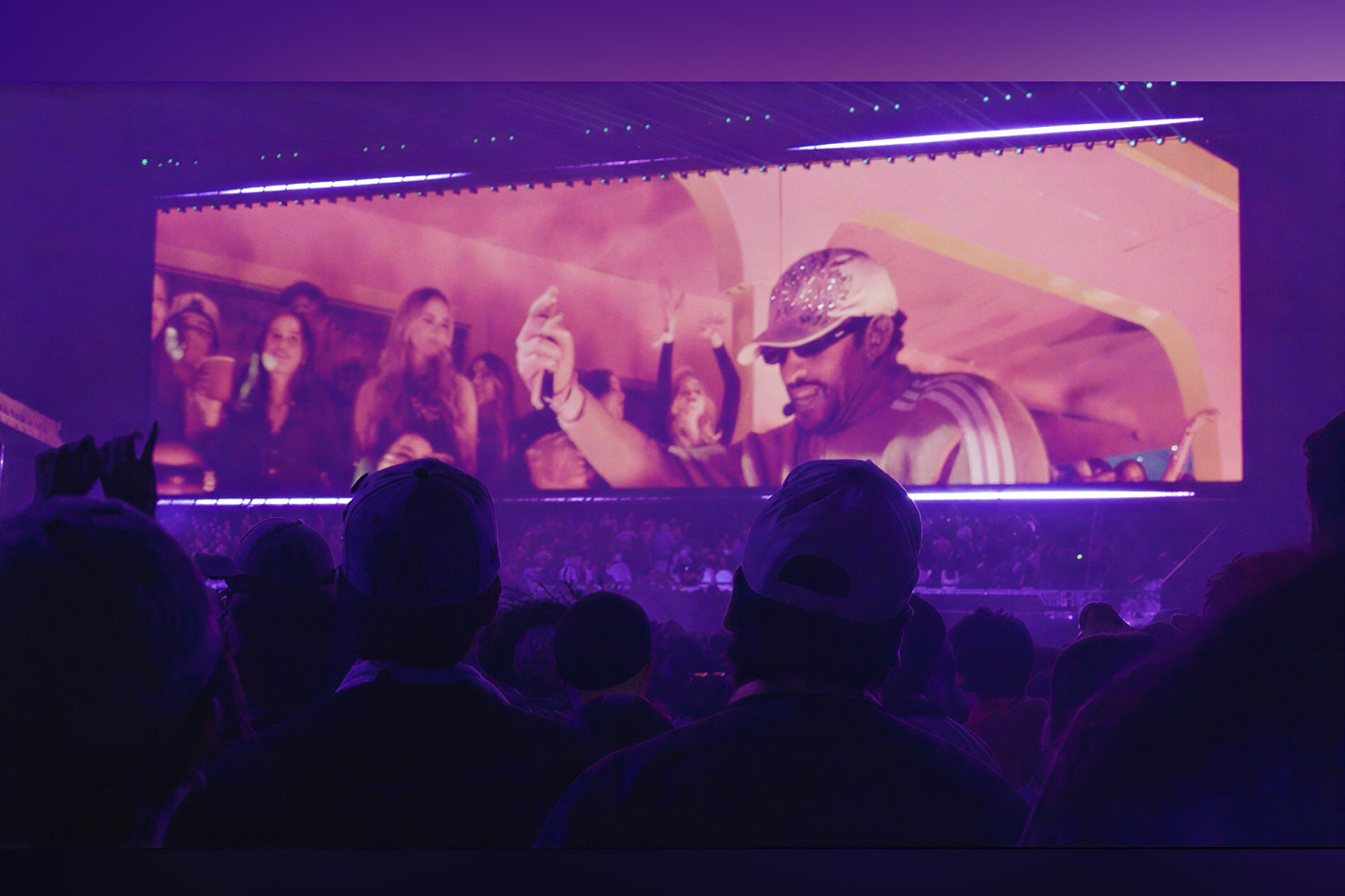


The efficiency gains were primarily attributed to the upgraded GX 3+ servers, which doubled the processing capacity for equivalent visual effects loads. This allowed the production team to maintain a streamlined server footprint without compromising on the scale or quality of the visuals. Lighting was controlled through the grandMA system, widely recognized as the industry standard for live event lighting, with a dual setup featuring a grandMA light desk as the primary interface and a grandMA3 compact unit as a backup.
The network architecture underpinning the production was equally sophisticated, segmented into eight isolated VLANs to prevent faults from cascading across the system. This design choice ensured high reliability and minimized risk during live performances, a critical factor given the global nature of the tour, which demanded consistent operation across diverse venues and conditions.
One particularly innovative element emerged from an ad hoc creative idea during rehearsals: incorporating real-time crowd photography into the show. While the initial proposal involved loading fresh images directly into the main media servers—posing a significant risk—Camina devised a safer solution. He developed an independent application that communicated with the primary Disguise system via HTTP Sockpuppet and Open Sound Control protocols. This satellite system, run from a laptop, allowed images captured by photographers during the opening act to be integrated seamlessly and safely into the live layout without burdening the core servers.
This approach exemplified the tour’s overarching engineering philosophy: augmenting core systems with loosely coupled, dedicated modules that enhance flexibility and spontaneity without jeopardizing stability. Synchronizing the timing of these parallel systems was a complex task, requiring precise coordination to avoid lag and content repetition, but the result was a dynamic and engaging audience interaction element that felt both organic and flawlessly integrated.
Another standout technical feature was the live-rendered 3D character “Concho,” a Puerto Rican-inspired animated frog powered by Unreal Engine and controlled through facial tracking of a performer. This character’s interaction with Bad Bunny via a FaceTime call introduced a layer of augmented reality into the concert. To maintain signal integrity in a crowded radio frequency environment, the team opted to capture the iPhone camera feed over NDI on a dedicated Wi-Fi network, avoiding typical wireless disruptions caused by thousands of mobile devices present in the venue. Constant RF spectrum scanning was necessary to secure clear channels before each show segment.
The tour’s finale pushed the system capabilities to their limits, featuring a 40-tile video feed distributed across a massive 5K main screen and supplemental IMAG screens. The production utilized four 4K video inputs processed live through a Notch content block, enabling real-time compositing and color grading without pre-rendered footage. This intense workload brought the GX 3+ servers to peak performance, yet the infrastructure held firm, delivering a breathtaking conclusion that underscored the tour’s technical mastery.
Camina’s decade-long experience with Disguise servers, spanning high-profile events from Coachella to Tottenham Hotspur Stadium, informed the robust and fail-safe design of the tour’s media system. For him, the primary measure of success was reliability—having the capability to instantly switch to backup servers without interrupting the show.
Ultimately, the technology behind Bad Bunny’s 2026 world tour exemplifies a shift in live event production toward optimizing performance through smart, compact, and adaptable solutions. While audiences witness stunning visuals and seamless storytelling, the true achievement lies in engineering a resilient ecosystem that sustains such grandeur night after night, across continents, maintaining the show’s integrity and magic until its final act.
Full story & global impact
This article was synthesized and rewritten by MusicTop Editorial from reporting published by techradar.com. Read the publisher's report for the complete source context.
Read original source: techradar.com