On Costa Rica’s Pacific Coast, These 2 Stays Take You From Fjord to Forest
Published October 15, 2026 · LATINO
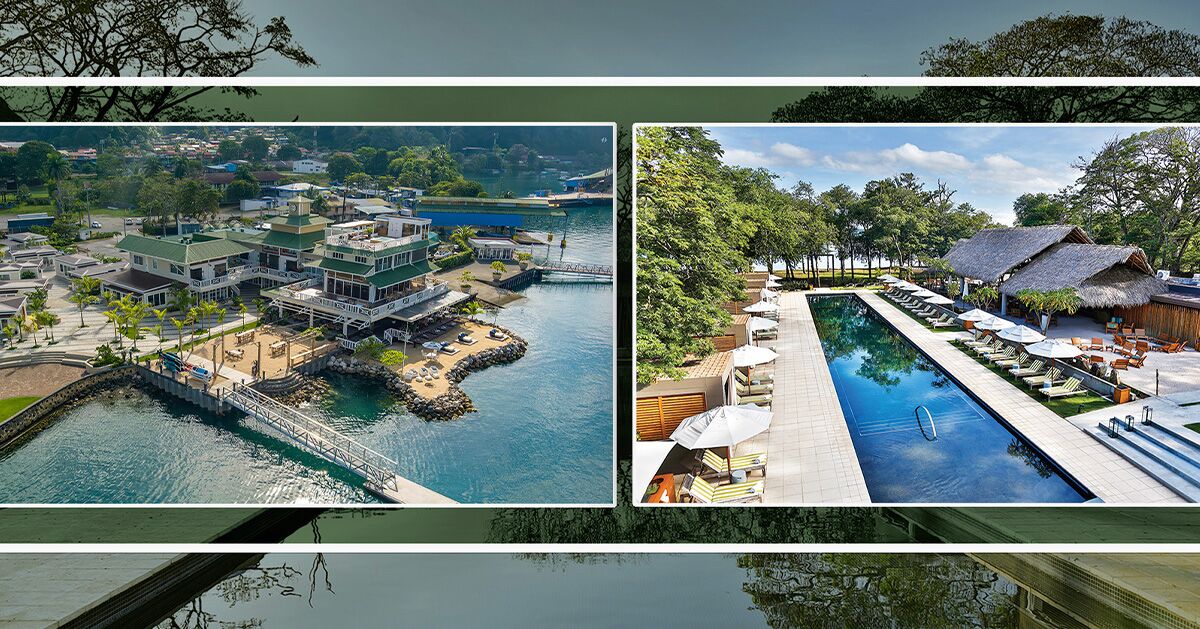
From Amaka Ocean Living Lodge in Golfito, watch dolphins in Golfo Dulce, then head to El Mangroove in Guanacaste.
Costa Rica’s southern and northern Pacific coasts offer strikingly different natural experiences, highlighted by unique ecosystems and distinctive lodgings that immerse visitors in their surroundings. On the southern coast, Golfo Dulce stands out as a rare tropical fjord-like inlet, famed for its vibrant marine biodiversity. Meanwhile, the northwestern region of Guanacaste presents a contrasting landscape of tropical dry forest bordering the Gulf of Papagayo.
Golfo Dulce, located in southern Costa Rica, is one of only four tropical fjords worldwide, shaped by tectonic activity rather than glaciation. This approximately 30-mile-long inlet is enveloped by primary rainforest and serves as a vital habitat for various marine species, particularly cetaceans. The gulf’s sheltered waters create a nutrient-rich environment that supports resident bottlenose and spotted dolphins. Twice annually, it also becomes a sanctuary for migrating humpback whales traveling from both the Northern and Southern Hemispheres.
The town of Golfito, situated on the northeastern shore of Golfo Dulce, provides a strategic base for exploring this aquatic sanctuary. Originally developed in the late 1930s as a company town for banana exportation, Golfito has evolved since the 1980s with shifts in its economic focus, now embracing ecotourism and sport fishing alongside agricultural pursuits. Modern amenities coexist with remnants of its historical infrastructure, including public facilities and a marina that supports both recreational and professional boating.

Within this setting, Amaka Ocean Living Lodge offers an immersive experience. Located at Marina Bahía Golfito, the boutique hotel features open-air dining over the water and immediate access to wildlife tours, including dolphin watching, sport fishing, and nearby national park excursions. The surrounding rainforest and marine environments provide a rich context for guests to engage with Costa Rica’s biodiversity.
Adjacent to the marine exploration, Piedras Blancas National Park lies a short drive from Golfito. This protected area encompasses over 34,000 acres of intact rainforest, recognized for its extraordinary concentration of flora and fauna. The park hosts an impressive variety of bird species and mammals such as ocelots and jaguars, while its forest canopy supports complex ecosystems including epiphytes like bromeliads and orchids. Guided treks through the park reveal the intricate relationships within this tropical environment.
Transitioning northward along the Pacific coast, visitors encounter the Guanacaste region, known for its tropical dry forests and coastal resorts. El Mangroove, located on Playa Panamá near the Gulf of Papagayo, exemplifies sustainable luxury hospitality integrated with the natural landscape. The resort’s design prioritizes harmony with its mangrove surroundings, offering suites nestled among native vegetation and set back from the beachfront.

El Mangroove features multiple pools and a prominent spa area designed for relaxation after active days on the water. Activities available include jetskiing, paddleboarding, and kayaking, allowing guests to explore the Gulf of Papagayo’s coastal waters. Dining at the resort emphasizes fresh, locally sourced ingredients, reflecting the region’s agricultural and fishing traditions. Iguanas native to the area are a common sight within the resort grounds, adding to the immersive natural experience.
The journey between these two distinct Pacific coast environments encapsulates Costa Rica’s ecological diversity, from the humid rainforest ecosystems of Golfo Dulce and Piedras Blancas to the arid, tropical dry forests of Guanacaste. Accessibility to these regions is facilitated by domestic flights connecting San José to Golfito, and international flights serving Liberia airport near Guanacaste, followed by short transfers to the respective accommodations.
Costa Rica’s Pacific coasts thus offer travelers contrasting yet complementary experiences, where marine wildlife observation and rainforest trekking in the south contrast with beachside luxury and dry forest exploration in the north. These destinations underscore the country’s commitment to preserving natural habitats while developing tourism infrastructure that respects and showcases the environment’s unique attributes.
Full story & global impact
This article was synthesized and rewritten by MusicTop Editorial from reporting published by matadornetwork.com. Read the publisher's report for the complete source context.
Read original source: matadornetwork.com