The Return Of One Of The Most Cursed Shows In All Of Broadcast Television Has People Losing Their Minds
Published October 21, 2026 · LATINO
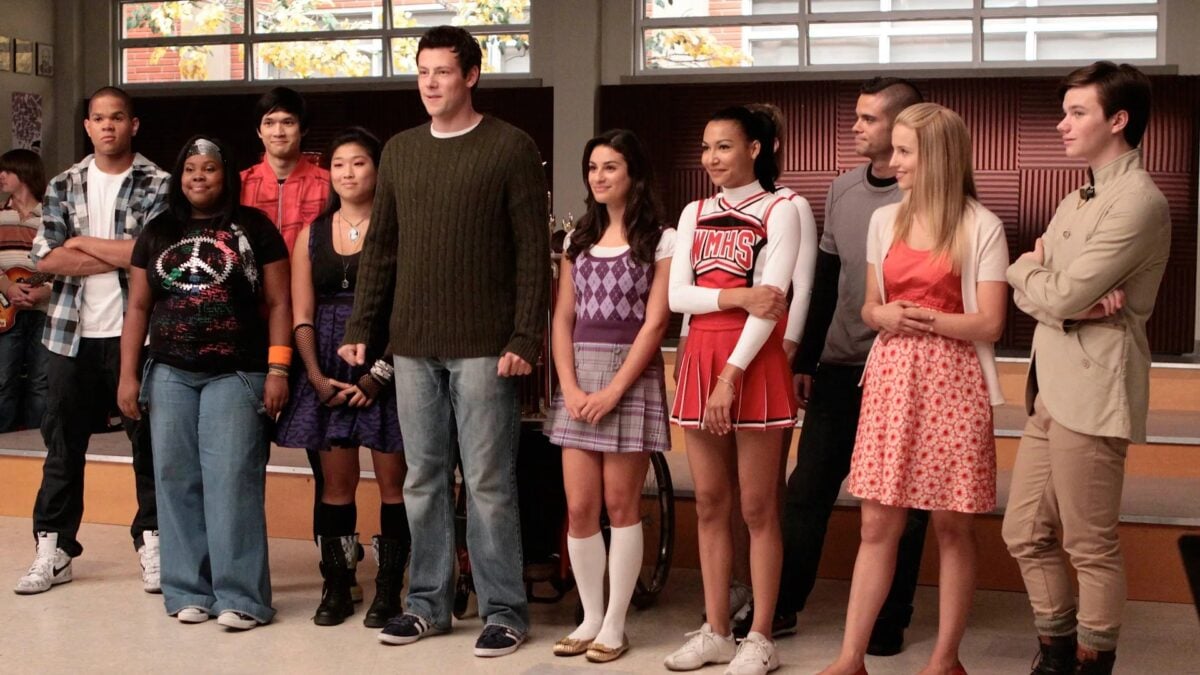
And that’s what you missed on Glee!
After more than a decade since its conclusion, the cult musical television series Glee is poised for a comeback, this time as a collaborative streaming project between Disney+ and Hulu. The announcement has reignited conversations among fans and critics alike, revisiting the show's complicated legacy and its unique blend of musical performances and social commentary.
Originally broadcast on Fox from 2009 through 2015, Glee distinguished itself by combining contemporary pop music covers with serialized drama centered on a high school glee club. The series cultivated a devoted following, especially among millennials, for its bold approach to social issues, often navigating sensitive topics through a satirical lens. Despite facing criticism for its occasionally controversial humor and narrative choices, Glee maintained a significant cultural footprint well beyond its original run.
Related stories

The revival’s casting has been partially confirmed, with Lea Michele, Heather Morris, and Chord Overstreet all slated to reprise their roles. These three actors were among the core members of the original ensemble, known for delivering powerhouse performances that contributed to the show’s success. Other key figures, such as Chris Colfer, have expressed openness to returning but have yet to make definitive commitments, leaving some uncertainty about the full lineup.
Related music video
Selected for this story · Published within the last two years
Details about the reboot’s storyline and structure remain limited. The original series finale included an epilogue set in 2020, which provided closure on the characters' futures without addressing the COVID-19 pandemic. How the new series will update or extend these narratives in the current social climate is still unknown. Given the original’s reputation for timely cultural references and musical selections, the reboot faces the challenge of balancing nostalgia with contemporary relevance.
The streaming format offers an opportunity for the Glee revival to explore new creative directions, potentially reaching a broader or different audience compared to its network television origins. The transition from Fox to digital platforms like Disney+ and Hulu aligns with broader industry trends where legacy properties find renewed life through streaming services.
Fans and commentators have begun speculating on possible themes and musical choices, anticipating the inclusion of modern chart-toppers and diverse social topics. The original series was noted for its willingness to address issues such as sexuality, identity, and political divides, often through the medium of performance. Whether the reboot will maintain this balance of entertainment and social critique remains to be seen.

Social media buzz has already emerged, reflecting both enthusiasm and skepticism. Some anticipate that certain humor and references might feel dated, given the production and release timeline. However, the passionate fan base’s engagement indicates that Glee’s distinctive blend of drama and musical spectacle still resonates.
As the production progresses, more information about episode themes, additional cast involvement, and creative direction is expected to surface. For now, the Glee revival stands as a noteworthy development in the landscape of musical television, promising to revisit a show that was once both celebrated and critiqued for its ambitious yet polarizing approach.
The return of Glee invites reflection on its cultural impact and the potential of musical TV series to engage with contemporary social dynamics. How this next chapter will unfold will be observed closely by audiences who grew up with the show and those newly discovering its legacy.
Full story & global impact
This article was synthesized and rewritten by MusicTop Editorial from reporting published by kotaku.com. Read the publisher's report for the complete source context.
Read original source: kotaku.com