‘They made the wrong decision’: Greenville Gay Men’s Chorus raises $40K after South Carolina pulls funding
Published October 22, 2026 · LATINO
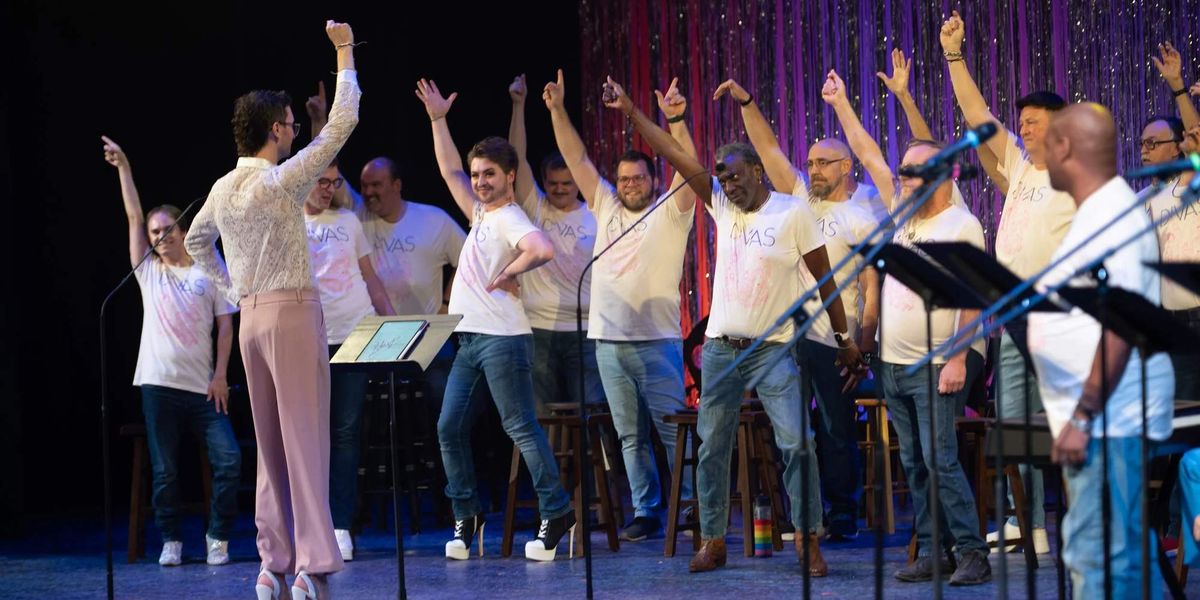
This story originally appeared on Them.After being promised and later denied funding by the South Carolina Arts Commission, the Greenville Gay Men’s Chorus has now raised over $42,000 via GoFundMe to make up the shortfall, already surpassing its original …
The Greenville Gay Men’s Chorus recently faced an unexpected financial setback when the South Carolina Arts Commission rescinded previously promised funding. This decision left the chorus scrambling to cover a significant shortfall in its operational budget. In response, the chorus launched a fundraising campaign on GoFundMe, successfully raising over $42,000 and exceeding their initial target within a short period.
The funding withdrawal came as a surprise to the organization, which had anticipated the state support as part of its annual funding cycle. The executive director of the chorus expressed strong disapproval of the decision, suggesting that the withdrawal was unjustified and discriminatory. This setback, however, galvanized the chorus and its supporters, leading to a swift and robust community fundraising effort.
Related stories

The Greenville Gay Men’s Chorus has been a prominent cultural fixture in South Carolina, promoting inclusivity and representing LGBTQ+ voices through music. The loss of state funding posed a significant threat not only to their financial stability but also to their ability to continue producing performances and community outreach programs.
Despite the state’s decision, the chorus’s supporters rallied around the group, demonstrating widespread public backing. The GoFundMe campaign's success highlights the community’s dedication to sustaining the chorus’s presence and mission. The funds raised are intended to cover the immediate budget gap left by the state’s withdrawal and to support the chorus’s ongoing activities.
The South Carolina Arts Commission did not provide detailed reasons for the funding reversal, leaving some questions unanswered. Advocacy groups and arts supporters have voiced concerns that this move may reflect broader challenges faced by LGBTQ+ organizations in securing public funding, particularly in more conservative regions.
The Greenville Gay Men’s Chorus’s experience underscores the precarious nature of arts funding for minority and advocacy groups. State funding often forms a crucial part of the budget for such organizations, and sudden changes can disrupt programming and outreach efforts significantly.
By swiftly mobilizing resources through private donations, the chorus demonstrates resilience and the power of community support in overcoming institutional obstacles. Their ability to exceed their fundraising goal not only mitigates immediate financial issues but also sends a message of solidarity and determination.
While the chorus continues to navigate the implications of the funding cut, its leadership remains focused on future performances and reinforcing its role as a cultural ambassador for the LGBTQ+ community in South Carolina. The situation also raises broader discussions about the role of state agencies in equitably supporting diverse artistic expressions and the importance of safeguarding such support from politicization.
Details about further negotiations with the South Carolina Arts Commission or potential alternative funding sources for the chorus remain limited at this time. However, the successful GoFundMe campaign has provided a temporary reprieve and renewed optimism for the chorus’s continued impact.
This episode serves as a case study in the challenges and opportunities facing arts organizations that serve marginalized communities, illustrating the necessity of both institutional support and grassroots advocacy to sustain creative and inclusive cultural initiatives.
Full story & global impact
This article was synthesized and rewritten by MusicTop Editorial from reporting published by advocate.com. Read the publisher's report for the complete source context.
Read original source: advocate.com