Ear plugs have become a festival must-have - but they aren't all created equal
Published July 4, 2026 · UK
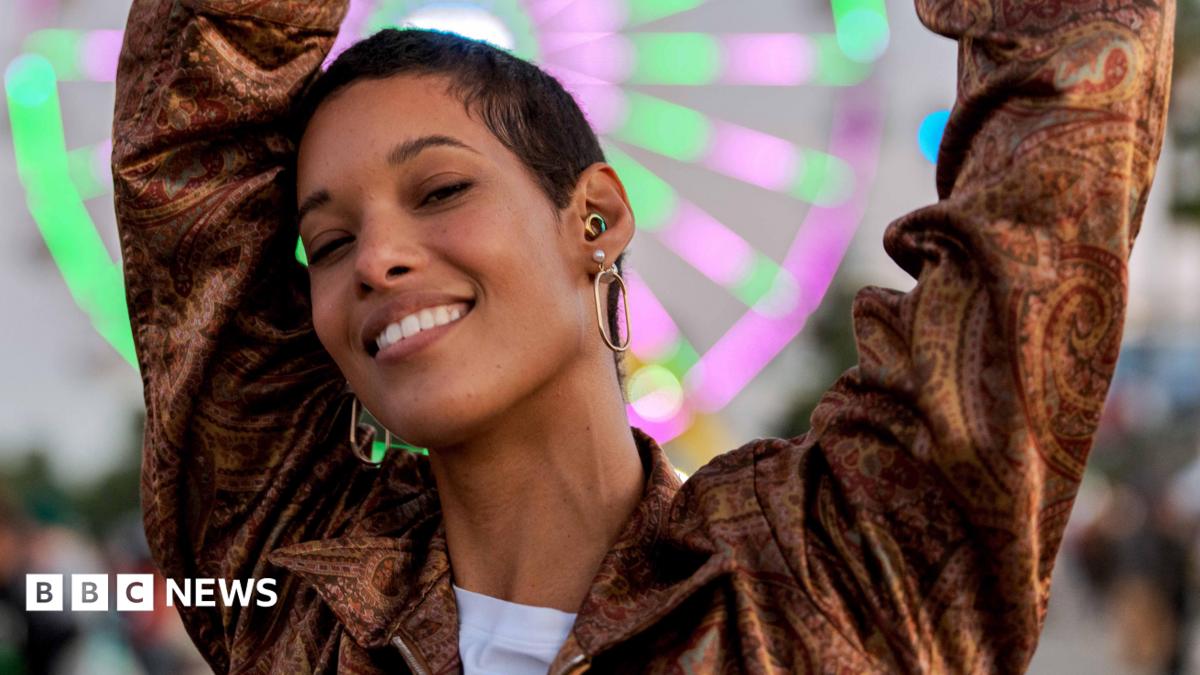
Ear plugs are becoming an increasingly popular accessory at music festivals.
The use of ear plugs at music festivals is becoming increasingly common as audiences seek to protect their hearing while enjoying live performances. This trend reflects a shift in festival culture, where hearing safety is transforming from an afterthought into a prioritized aspect of the concert experience.
A new generation of ear plugs has emerged, designed not only for auditory protection but also with aesthetics in mind. These sleek, often colorful plugs appeal to younger music fans who value both style and functionality. According to bbc.co.uk, brands like Loop, Alpine, and Hears are positioning their products as lifestyle accessories, collaborating with major festivals such as Coachella and Tomorrowland to reach their target demographic.
Related stories
Interview‘It’s a new world. It’s a little fascistic. And it needs a different response’: U2 on 50 years together – and why Bono can’t work with Trump
The impetus behind this growing adoption is an increased awareness of the risks posed by exposure to loud music. Medical experts warn that prolonged exposure to high decibel levels at concerts can cause permanent hearing damage. Audiologists note that sound-sensing cells in the ear can degrade similarly to how grass withers after prolonged exposure to harsh conditions, leading to irreversible hearing loss.
This issue is significant, given that hearing impairment affects approximately one in three adults in the UK. The Royal National Institute for Deaf People highlights the importance of preventive measures, emphasizing that effective ear plugs can reduce the risk of symptoms such as ringing or soreness after attending loud events.
Among the new ear plug designs, certain models claim to filter out unwanted noise frequencies, allowing listeners to enjoy clearer sound from performers on stage. This selective filtration aims to reduce the overwhelming bass and crowd noise without compromising the quality of the live music experience.
The effectiveness of ear plugs depends heavily on proper fit and compliance with safety standards. Hearing specialists recommend checking the Single Number Rating (SNR) when purchasing plugs, as higher ratings provide greater noise reduction. Customizable sizes and correct insertion are also crucial to ensure the plugs form a proper seal within the ear canal.
Music professionals themselves have adopted ear plugs as a safeguard. A Radio 1 DJ reported that consistent use of hearing protection during performances and club events has helped preserve her vocal health and prevent hearing problems, underscoring the practical benefits beyond mere noise reduction.
Despite the clear advantages, awareness is not yet universal. Some festival attendees remain interested but have yet to make ear plugs a regular part of their gear. Industry insiders hope that ear plugs will eventually become as normalized as other safety equipment in recreational settings, similar to how helmets are regarded in skiing.
The marketing of ear plugs as fashionable accessories signals a strategic shift in how these products are presented, aiming to reduce stigma and encourage wider acceptance among youth cultures. This approach leverages social media and visual appeal to embed ear protection into the lifestyle of music fans.
Looking forward, the growing emphasis on hearing safety could influence event organizers and promoters to facilitate greater access to quality ear protection at venues. This might include partnerships with ear plug manufacturers or on-site availability to reach a broader audience.
In summary, the surge in popularity of stylish ear plugs at festivals represents a meaningful development in live music culture. It reflects both increased public health awareness and innovative product design that resonates with contemporary audiences.
From a broader industry perspective, this trend may affect artist-fan interactions by preserving fans’ long-term engagement and enjoyment of live music. Protecting hearing health ensures that audiences can continue attending events without risking permanent damage, potentially sustaining demand for live performances in the future.
While current reports outline the benefits and growing acceptance of fashionable ear plugs, further data on long-term adoption rates and effectiveness across different user groups remains to be seen. Monitoring these factors will help determine whether this trend solidifies into standard festival practice.
Full story & global impact
This article was synthesized and rewritten by MusicTop Editorial from reporting published by bbc.co.uk. Read the publisher's report for the complete source context.
Read original source: bbc.co.uk