How smaller music festivals keep the show on the road
Published July 12, 2026 · UK
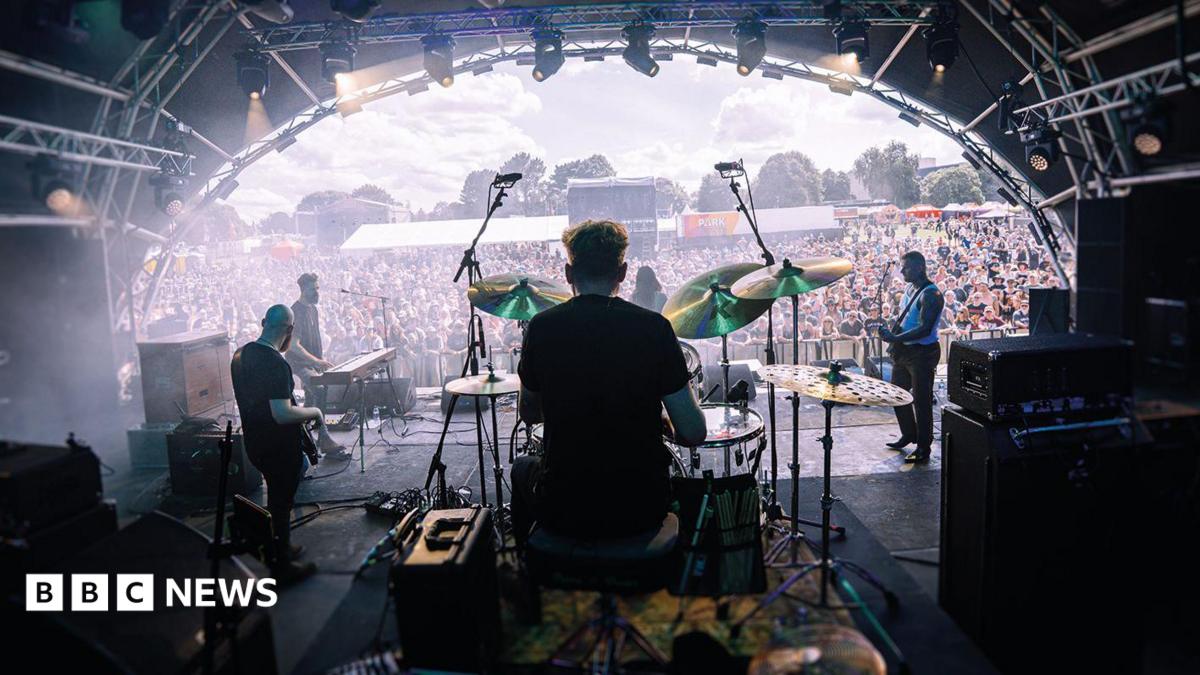
Scores of festivals have bitten the dust in recent years, so how do others manage to survive?
The UK music festival scene continues to face significant challenges as numerous events have ceased operations in recent years. Despite a wave of cancellations and financial difficulties affecting many, some smaller, independent festivals have managed to maintain momentum through strategic adaptations and community-focused approaches.
Several established festivals have folded, illustrating the precarious environment for live music events. For instance, Red Rooster, which operated for over a decade near the Norfolk-Suffolk border, entered liquidation earlier this year. Similarly, the Kernowfornia Festival in Cornwall was cancelled after only one year, citing financial issues, following in the footsteps of its predecessor, Making Waves, which ended in 2018 due to debt.
Related stories

These closures reflect wider market pressures including rising costs, talent fees, and logistical expenses compounded by economic uncertainties such as an impending recession and fuel shortages. Festival directors widely acknowledge these factors as major obstacles, with the overall number of UK festivals having decreased markedly since 2024.
Despite these headwinds, certain independent festivals report growth and resilience. The Nene Valley Rock Festival in Lincolnshire exemplifies this trend by limiting its daily ticket sales to 1,000 attendees to foster an intimate experience. The organisers reinvest all proceeds into improving the festival infrastructure, including enhanced sanitation facilities and upgraded camping accommodations, which has cultivated a loyal audience base who purchase tickets ahead of artist announcements.
Another emerging success story is Maid of Stone in Kent, which is entering its fourth year and has established itself on the site of the now-defunct Ramblin' Man Fair. Though smaller in scale and attracting different headliners, Maid of Stone's organizers prioritize sustainable business practices and reinvestment into owned equipment and infrastructure, providing a buffer against inflationary pressures.
Industry representatives note that while cancellations continue, approximately as many new independent festivals have launched recently. This dynamic indicates an evolving landscape rather than a simple contraction. Some festivals are achieving record sales, aided by innovations such as payment plans that improve ticket affordability.
Nevertheless, the financial viability of many independent festivals remains fragile. Tight margins and cash flow difficulties persist even among events that sell out. Additionally, escalating demands for upfront payments from artists' agents intensify financial strain, disproportionately impacting newer and smaller festivals.
To alleviate these pressures, calls for government intervention through tax relief targeted at grassroots music festivals have gained traction. Proponents argue such measures could help mitigate risks inherent in festival promotion and offer crucial support to the independent live music sector.
Creative programming and diversified offerings represent other survival strategies. Events like Rock N Roll Circus combine traditional festival elements with unique attractions such as acrobatics and fire shows to provide distinctive value. Similarly, formats that reduce travel and accommodation burdens, such as day festivals held in urban parks, are gaining popularity as accessible alternatives.
The shifting dominance toward large festival promoters and the rise of major arena tours also affect audience spending patterns, creating additional challenges for independent events attempting to secure a sustainable market share. Organizers emphasize that smart business decisions and community engagement remain vital for survival.
The current environment demands that festival promoters balance financial prudence with delivering quality experiences that meet evolving audience expectations. Successful models typically involve reinvesting profits, controlling scale, enhancing on-site amenities, and fostering customer loyalty.
In editorial analysis, the persistence of independent festivals amid widespread closures highlights the sector's adaptability but underscores systemic vulnerabilities. The steep rise in artist fees and upfront demands could pressure festival lineups toward fewer emerging acts and more established performers, potentially narrowing musical diversity. Additionally, the focus on boutique and intimate experiences may reshape genre economics by privileging niche audiences over mass attendance, influencing future touring cycles and artist-fan interactions.
Overall, while uncertainties remain, independent festivals that leverage community connections, innovative programming, and financial discipline appear best positioned to sustain themselves in this complex landscape.
Full story & global impact
This article was synthesized and rewritten by MusicTop Editorial from reporting published by bbc.co.uk. Read the publisher's report for the complete source context.
Read original source: bbc.co.uk