Tony Thorpe, the guitarist of The Rubettes, dies aged 80
Published July 21, 2026 · UK
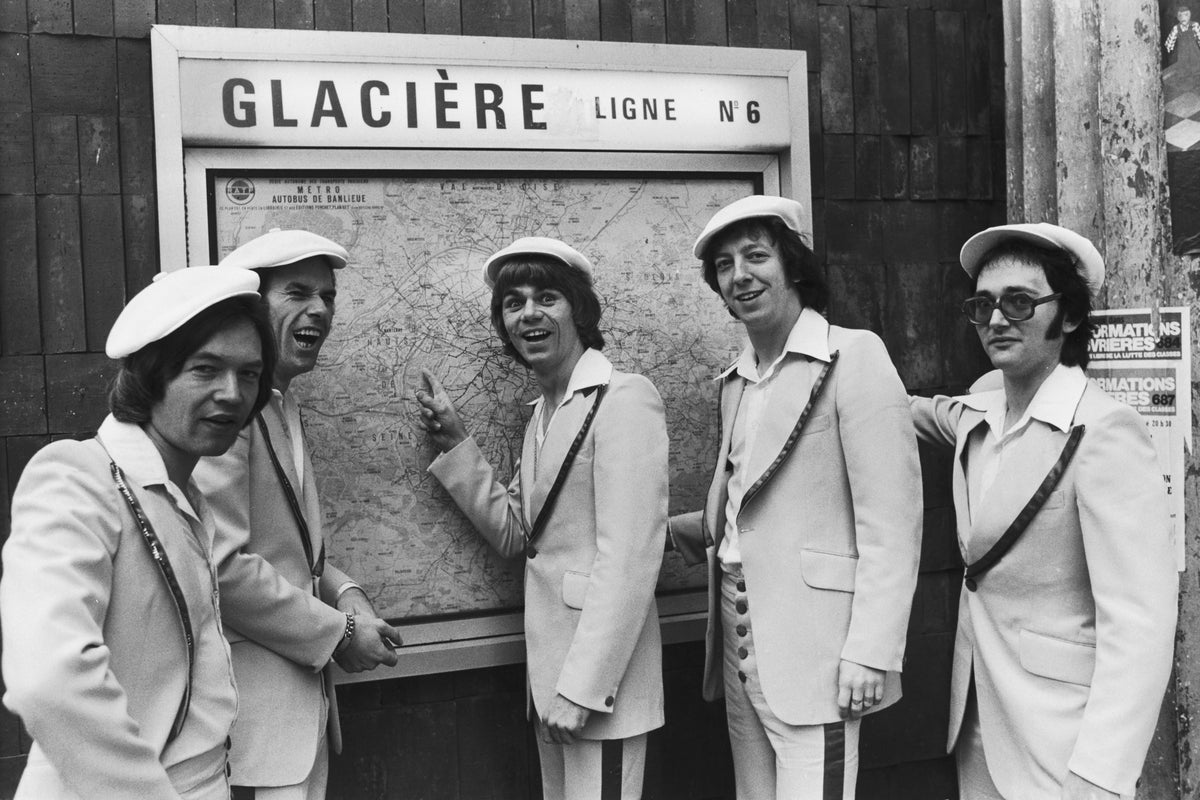
Thorpe performed with the band from 1974 to 1979
Tony Thorpe, the acclaimed guitarist best known for his work with the 1970s glam rock group The Rubettes, has died at the age of 80. His passing marks the loss of a musician who played a critical role in a band that captured the spirit of an era as the glam rock movement was winding down.
Beginning his musical journey at an early age, Thorpe demonstrated proficiency in both guitar and drums from the age of 11. By 16, he had turned professional, performing with notable figures such as Wee Willie Harris. This early start set the stage for his later success with The Rubettes.
Related stories

Formed in 1974, The Rubettes quickly carved out a distinct identity within the UK music scene, famously recognized for their signature white suits and cloth caps. Their debut single, "Sugar Baby Love," achieved significant commercial success, dominating the UK charts for a month and reaching the American top 40. This track remains emblematic of the band’s upbeat style and broad appeal.
Thorpe was an integral member of The Rubettes from their inception until 1979. During this period, he collaborated with bandmates Alan Williams, John Richardson, Pete Arnesen, Mick Clarke, and Bill Hurd. Together, they produced additional hits including "Tonight," "Juke Box Jive," and "I Can Do It," which contributed to the band's lasting popularity.
However, Thorpe’s tenure with the band ended amid creative disagreements, leading to his departure prior to the group’s initial dissolution in 1980. Subsequent lineup changes and the band’s temporary breakup reflected the challenges faced by many groups navigating the evolving music landscape of the late 1970s and early 1980s.
Beyond The Rubettes, Thorpe’s career was marked by versatility. He collaborated with ensembles such as The Vibratones and contributed to performances with the Coventry Theatre Orchestra. His work extended to supporting high-profile entertainers including Cilla Black and Sir Harry Secombe, showcasing his adaptability across different musical contexts.
After leaving the band, Thorpe continued his engagement with music through solo projects and educational endeavors, including lecturing on music topics at Blackburn College. In 2014, he shared his insights and experiences in a memoir titled "A Bride’s Nightie," offering a personal perspective on his life and career.
Tributes from former colleagues underline Thorpe’s influence and talent. Alan Williams, a fellow Rubettes member, acknowledged Thorpe’s artistic contributions and the memorable moments they shared, underscoring the respect held for him within the music community.
Despite recent health challenges, Thorpe maintained his sharp intellect and sense of humor until the end. His passing leaves a notable void among friends, family, and admirers of his music. As reported by the-independent.com, his legacy endures through both his recordings and the musicians he mentored throughout his extensive career.
Full story & global impact
This article was synthesized and rewritten by MusicTop Editorial from reporting published by the-independent.com. Read the publisher's report for the complete source context.
Read original source: the-independent.com