The age-old problem of not being that young
Published April 11, 2026 · UK
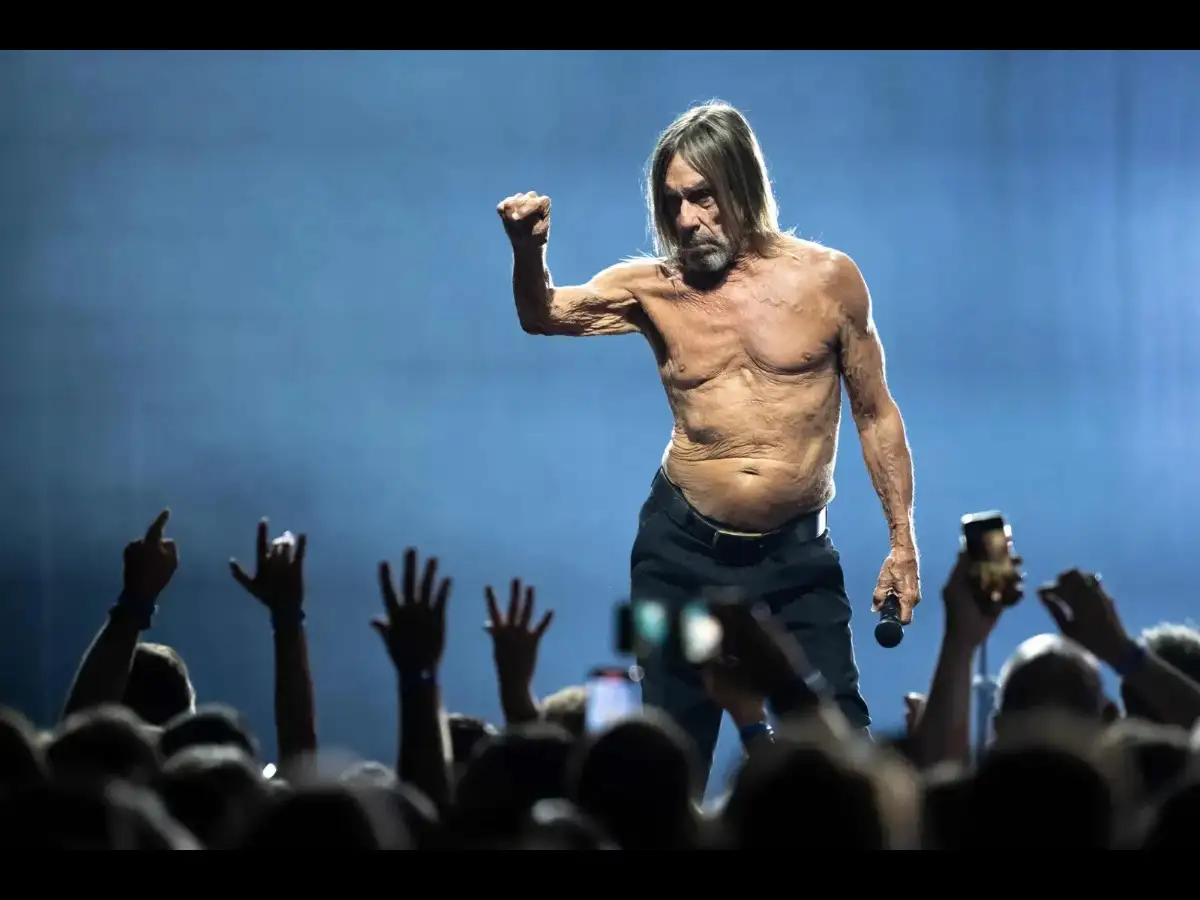
Turning 55, the author ponders age in rock and roll. Unlike athletes, musicians often continue performing in old age. Examples like Little Richard and Chuck Berry show longevity. Iggy Pop's recent performance highlights the blend of youthful energy and aged…
The trajectory of aging in rock music presents a striking contrast to the physical decline typically observed in athletic careers. While professional sports often demand peak physical condition achievable only in youth or early adulthood, musicians frequently maintain active performance schedules into their later years, challenging conventional notions of age and vitality.
This longevity in music is not merely anecdotal but is exemplified by iconic figures who have shaped rock and roll history. Artists such as Little Richard and Chuck Berry serve as emblematic pioneers whose careers extended far beyond the decades traditionally associated with peak performance. Their continued presence on stage well into their senior years illustrates a resilience and adaptability that transcends the physical demands of their craft.
Related stories


The phenomenon is further highlighted by contemporary examples, including the recent live performances of Iggy Pop. Known for his vigorous stage presence and dynamic shows, Pop’s ability to merge the raw energy of youth with the wisdom of age underlines a unique dynamic within rock performance. Such artists embody a synthesis of enduring passion and evolving artistry that keeps them relevant and compelling to diverse audiences.
This sustained engagement with music into later life stages raises important discussions about the nature of creativity and endurance in the arts. Unlike sports, where physical decline often signals retirement, music allows for a broader spectrum of expression and performance styles that can accommodate changing physical capabilities while preserving the artist’s identity and connection with fans.
The disparity between athletic and musical career longevity also reflects differing demands on the body and mind. Rock musicians, while physically active on stage, often rely heavily on creative expression, emotional delivery, and audience interaction. These elements can mature and deepen with age, adding layers of significance to their performances.
Moreover, the cultural impact of longstanding musical careers contributes to the preservation and evolution of rock and roll as a genre. Veterans who continue to perform offer a living link to the genre’s origins, providing continuity and mentorship within the music community. Their ongoing presence reinforces the idea that rock music is not solely the domain of the young but a lifelong pursuit.
While details remain limited regarding the personal reflections or specific milestones linked to an individual’s 55th birthday mentioned in the original context, the broader narrative underscores a universal theme: age in rock music is less a boundary and more a facet of artistic identity. The music industry’s accommodation of seasoned performers enriches its cultural tapestry and challenges societal perceptions of aging.
In conclusion, the enduring stage presence of rock musicians like Little Richard, Chuck Berry, and Iggy Pop highlights how the realm of music uniquely embraces aging. Their careers demonstrate that artistic vitality can persist and even flourish well into later decades, offering inspiration and challenging the ageist narratives prevalent in other fields. This dynamic not only sustains their legacies but also continues to shape the evolving story of rock and roll.
Full story & global impact
This article was synthesized and rewritten by MusicTop Editorial from reporting published by NewsAPI (original source unavailable). Read the publisher's report for the complete source context.
Original source link unavailable · Source: NewsAPI (original source unavailable)