How Bob Dylan’s Trip to London Inspired ‘Girl From the North Country’
Published October 6, 2026 · UK

In an exclusive excerpt from his new book Bob Dylan: Through the Open Window historian Sean Wilentz dives into the formative trip abroad that inspired the artist's most searing anti-war song and also his most haunting ballad
In late 1962, Bob Dylan embarked on a pivotal journey to London that would profoundly influence his evolving songwriting and artistic identity. This venture, arranged by his manager Albert Grossman, came at a moment when Dylan had nearly completed what would become his landmark album, The Freewheelin’ Bob Dylan. Rather than returning home for the holidays, Dylan traveled to England to participate in a BBC television drama, marking his first extended stay abroad.
Though initially engaged to act in The Madhouse on Castle Street, Dylan’s limited theatrical experience led the production team to curtail his role, instead featuring him primarily as a performer of songs. This adjustment allowed Dylan to focus on his music during his time in London, where he immersed himself in the city’s vibrant folk scene despite challenging winter weather.
Related stories
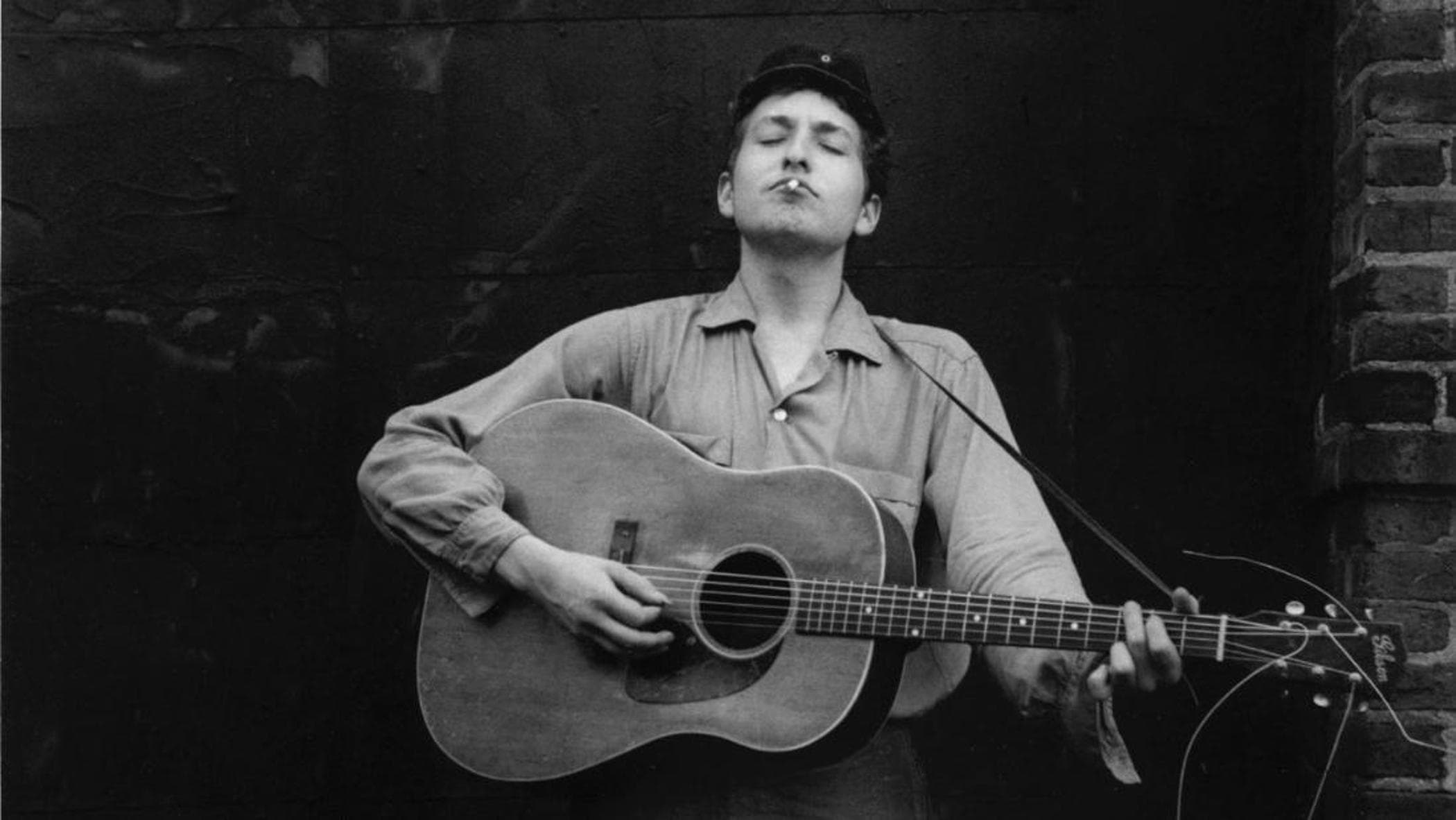

Dylan’s exposure to the British folk tradition during this period was transformative. Influenced by local musicians and the rich heritage of Anglo-Celtic balladry, he absorbed musical styles that contrasted with and complemented his American folk roots. Among his new acquaintances was Martin Carthy, a prominent English folk guitarist whose renditions of traditional songs like “Scarborough Fair” and “Lord Franklin” left a lasting impression on Dylan’s repertoire.
The London folk community, noted for its political engagement and traditionalist ideals, presented a distinct cultural environment. Dylan’s performances at folk clubs, including the Singers club, introduced his incisive new compositions to audiences steeped in left-wing politics and folk purity. It was here that he debuted “Masters of War,” a trenchant critique of the arms industry and nuclear brinkmanship, composed amid contemporary Anglo-American disarmament talks.
Parallel to his folk music experiences, Dylan encountered the burgeoning art scene in London’s Swinging Sixties culture. He was drawn into the orbit of prominent figures such as director Philip Saville and painter Pauline Boty, who represented the avant-garde Pop art movement. This mingling with visual artists and experimental creatives offered Dylan a glimpse of a different type of bohemian life, distinct from the Greenwich Village folk circuits he knew.
Dylan’s interactions with Boty and Saville, including stays in their homes and explorations of London’s trendy neighborhoods, enriched his perspectives beyond music. Although some of these encounters proved unsettling or alien to Dylan, they nonetheless contributed to the eclectic influences shaping his artistry during this formative phase.
Among Dylan’s most personal London-inspired works from this period was a song later known as “Liverpool Gal,” recorded only decades later on the Bootleg Series. This ballad, inspired by a mysterious woman he met in London, reflected a tender narrative of connection and departure, underscoring Dylan’s capacity for lyrical storytelling rooted in real-life encounters.
The London sojourn thus stands as a crucial chapter in Dylan’s early career, encapsulating a period of intense artistic growth. It fueled his development of politically charged anthems alongside sensitive ballads, while expanding his musical vocabulary through engagement with British folk traditions and the dynamic cultural currents of early 1960s London.
This episode, detailed in historian Sean Wilentz’s recent biography, highlights how Dylan’s brief but impactful time abroad deepened his creative palette and prepared him for the enduring legacy of his subsequent work. The trip’s influences reverberate through his music, marking a decisive step in his journey from regional folk singer to global cultural icon.
Full story & global impact
This article was synthesized and rewritten by MusicTop Editorial from reporting published by rollingstone.com. Read the publisher's report for the complete source context.
Read original source: rollingstone.com