Our Lady Peace, 30 Years On, Are Gearing Up to Fight the Machines
Published June 28, 2026 · US

Our Lady Peace, the Canadian alt-rock band known for songs like 'Clumsy,' mark 30 years since their debut LP but are worried about AI and the future.
Emerging from the vibrant Canadian alternative rock scene of the 1990s, Our Lady Peace has sustained a notable presence in North American music for three decades. Their early work, characterized by introspective and emotionally charged themes, resonated deeply with audiences navigating youth and societal complexities. Now, thirty years after releasing their debut album Naveed in 1994, the band is celebrating longevity that many of their contemporaries have not matched.
Currently on a U.S. tour marking the 30th anniversary of Naveed, Our Lady Peace performed to a sold-out crowd at Plaza Live in Orlando, Florida, a testament to their enduring appeal far beyond their Toronto origins. This milestone tour serves not only as a retrospective but also as a platform for the band’s ongoing creative vitality, underscoring their belief that music’s relevance transcends chronological milestones and is instead tied to the collective energy shared with audiences.
Related stories
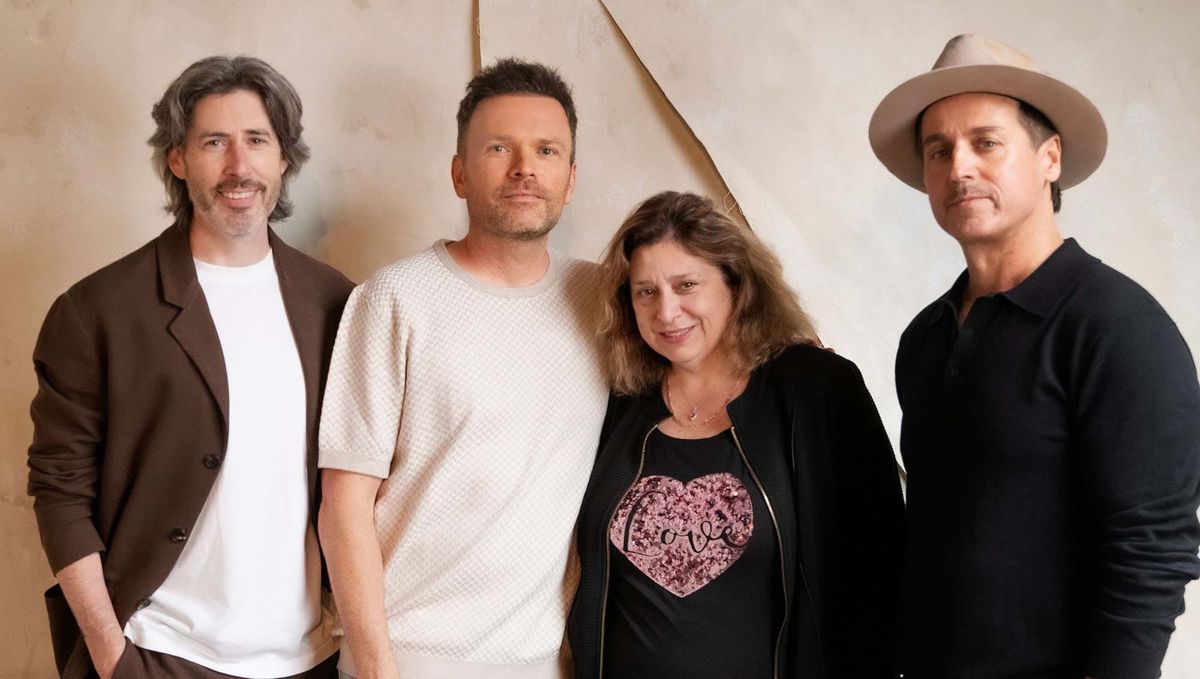

Throughout their career, Our Lady Peace cultivated a distinctive sound anchored by Raine Maida’s soaring vocals and a blend of introspective lyricism and arena-ready rock arrangements. Notable singles such as “Starseed,” “Clumsy,” and “Somewhere Out There” broke into the Top 10 of Billboard’s alternative rock charts during the late 1990s and early 2000s, helping the band cross into the competitive U.S. market.
Despite the often somber tones in their music, the band has consistently infused their work with a sense of optimism. This balance has allowed them to connect with listeners who appreciate depth without succumbing to despair. Bassist Duncan Coutts highlights this duality, emphasizing that even in their darkest songs, an undercurrent of hope remains intact.
Our Lady Peace’s evolution in the late 1990s took a more cerebral turn, heavily influenced by societal shifts and technological advancements. Maida, in particular, grew increasingly concerned about the implications of the internet and emerging technologies. This apprehension found a creative outlet in their 2000 album Spiritual Machines, inspired in part by futurist Raymond Kurzweil’s work on artificial intelligence and the future of human-machine interaction.
Spiritual Machines incorporated spoken-word excerpts from Kurzweil, projecting a future where AI could mimic human consciousness and challenge notions of authenticity and agency. The album’s thematic exploration of technology’s exponential growth and its potential to disrupt human experience remains strikingly relevant as the band contemplates contemporary developments.
As their tour continues, the band reflects on the tension between technological advancement and the irreplaceable nature of live performance. Maida observes the unique communal energy generated during concerts—a shared human experience he fears may become increasingly precious as digital and artificial alternatives proliferate.
In May, Our Lady Peace released OLP30, a live album capturing the intensity and emotional resonance of their performances, reinforcing their commitment to evolving while honoring their roots. Coutts affirms that the band remains creatively active, already working on new material that promises to push their sound in fresh directions.
Looking ahead, the band views their sustained relevance as a combination of adaptability and a refusal to replicate past successes without innovation. Their mission now extends beyond music-making to advocating for the preservation of live art forms amidst the rise of AI-driven content.
Our Lady Peace’s journey over the past three decades illustrates a band both reflective and forward-thinking—celebrating their past achievements while grappling with the societal and technological challenges shaping the future of music and human connection.
Full story & global impact
This article was synthesized and rewritten by MusicTop Editorial from reporting published by rollingstone.com. Read the publisher's report for the complete source context.
Read original source: rollingstone.com