Confessions II: 7 raw and vulnerable easter eggs on Madonna’s new album
Published July 3, 2026 · US
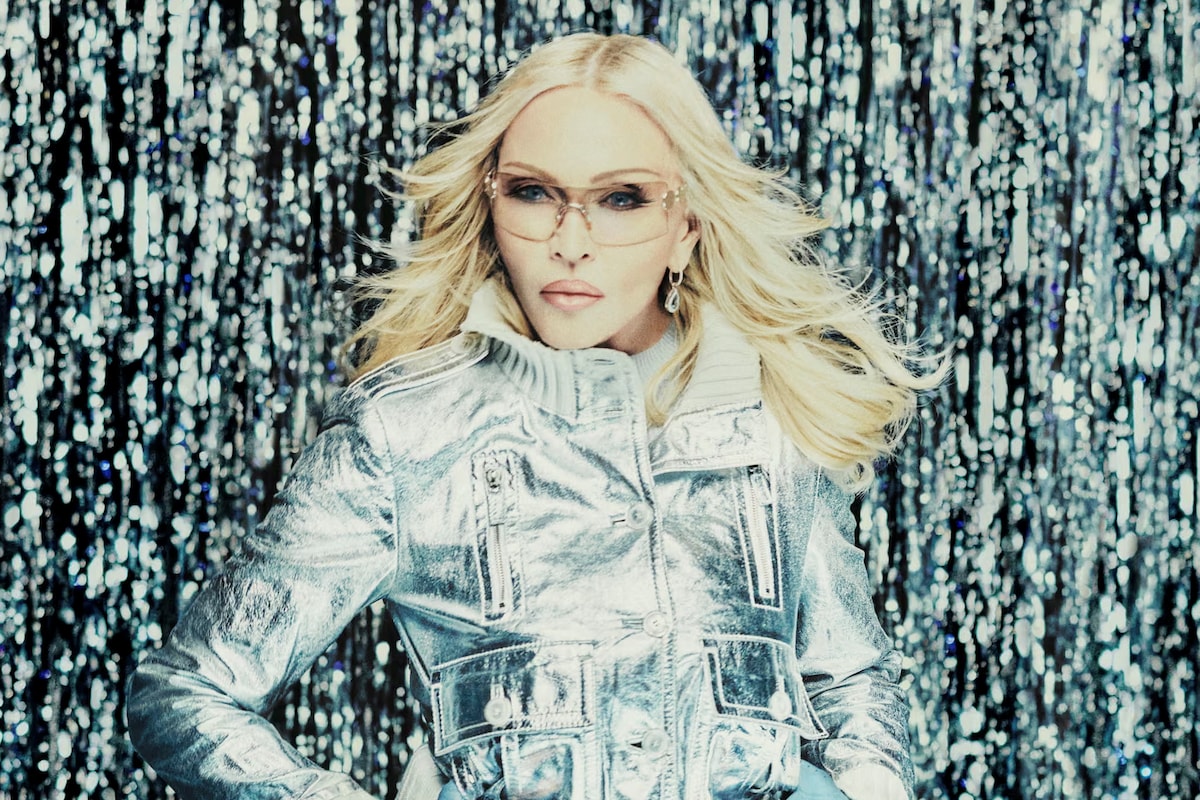
From hashing out her relationship with her daughter to vividly recreating memories from partying with Basquiat in the early 80s, we unpick the autobiographical lyrics on today’s release
Madonna’s latest album, Confessions II, marks a deeply reflective chapter in her illustrious career, blending autobiographical storytelling with a rich tapestry of electronic music. More than just a dance record, this release serves as a musical memoir, tracing the Queen of Pop’s personal and artistic evolution across four decades.
At the heart of Confessions II lies a profound homage to the early 1980s New York club scene, particularly the iconic nightclub Danceteria. This venue was instrumental in launching Madonna’s career, as it hosted the debut of her first single, “Everybody,” and witnessed her earliest performances. The album’s title and several lyrical references recall this vibrant period, conjuring the atmosphere of a city alive with artistic innovation and nightlife culture.
Related stories

Madonna revisits the figures who shaped her formative years, mentioning key personalities such as DJ Mark Kamins, Haoui Montaug, and Debi Mazar, whose roles ranged from promoter to muse. The album also pays tribute to the broader creative milieu of the time, name-checking influential artists like Jean-Michel Basquiat, Keith Haring, and Fab Five Freddy. These connections evoke a tightly knit community that blurred the lines between art, music, and social movements.
Musically, Confessions II reunites Madonna with producer Stuart Price, who previously collaborated on her acclaimed 2005 album Confessions on a Dance Floor. The sonic landscape incorporates elements of house, trance, trip-hop, and drum ’n’ bass, providing a dynamic canvas for Madonna’s introspective and candid lyricism. The album’s soundscapes mirror her journey through different phases of her life, evoking a sense of temporal and emotional travel.
Among the album’s most poignant moments is the track “Fragile,” reportedly inspired by Madonna’s late brother Christopher Ciccone. Their relationship, once strained by public controversies, appears to have been revisited with tenderness as Christopher battled pancreatic cancer. The song captures a poignant promise of connection beyond physical presence, underscoring themes of reconciliation and loss.
Another emotionally charged piece, “Betrayal,” hints at Madonna’s complex feelings toward her late stepmother Joan Ciccone. The lyrics suggest a nuanced narrative of conflict and grudging understanding, reflecting the intricacies of blended family dynamics and unresolved grief.
The album also explores Madonna’s personal relationships, notably in the track “Bizarre,” which is widely interpreted as referencing her marriage to Sean Penn. The song reflects on the unpredictability of love and lingering attachments despite years of separation, offering a glimpse into Madonna’s private emotional landscape.
A notable collaboration on Confessions II is the duet with her daughter Lourdes Leon on “The Test.” This track emerged from Lourdes’ initiative to heal their previously strained relationship through music. Their shared vocals and candid lyrics reveal vulnerability and acknowledgment of the challenges posed by Madonna’s fame on their family life.
Closing the album, “L.E.S. Girl” circles back to Madonna’s early days in New York’s Lower East Side. The song features cryptic allusions to a former romantic partner, described as a musician with a “Marlon Brando face” who played guitar near St. Mark’s Place. Madonna has chosen to keep this individual’s identity private, adding an air of mystery to the closing chapter of her autobiographical narrative.
Confessions II stands apart from typical dance records by weaving Madonna’s personal history into its core. It presents a layered portrait of an artist who has continually reinvented herself while remaining deeply connected to the cultural moments and relationships that defined her path. This album not only celebrates her legacy but also offers an intimate glimpse into the experiences that shaped the woman behind the pop icon.
Full story & global impact
This article was synthesized and rewritten by MusicTop Editorial from reporting published by dazeddigital.com. Read the publisher's report for the complete source context.
Read original source: dazeddigital.com