LEE GREENWOOD: Trump can help finish the fight Frank Sinatra started
Published July 3, 2026 · US
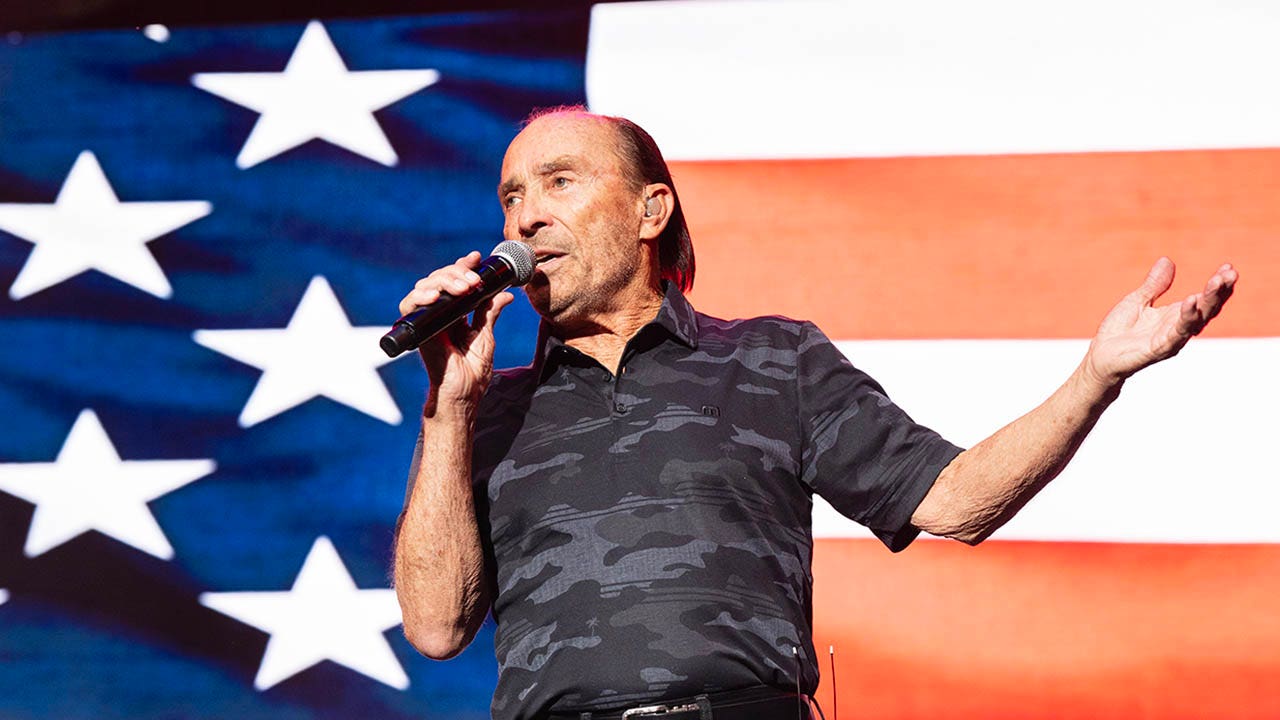
The artist behind "God Bless the U.S.A." reveals how AM/FM radio profits from his recordings without paying performers under a century-old loophole.
Lee Greenwood, renowned for his patriotic anthem "God Bless the U.S.A.", has brought renewed attention to a longstanding issue within the music industry concerning performer compensation. According to a report by NewsAPI, Greenwood has spotlighted an archaic legal gap that allows AM/FM radio stations to broadcast recorded music without paying the artists who perform on those tracks.
The controversy centers around a legal exception that dates back nearly 100 years, which exempts terrestrial radio stations from paying performers royalties for the airplay of their recordings. While songwriters and publishers receive payments for the use of their compositions, the performers who bring these songs to life do not receive direct remuneration when their recordings are aired on traditional AM/FM platforms.
Related stories
Bill Maher Fires Back at Trump by Comparing Him to Taylor Swift
 Bryan Adams slated for woke new song Lake Ontario which sees him brand Trump 'a baby tossing toys from the pram' while blasting president over Epstein files
 Real reason Jay-Z picked himself for Super Bowl halftime show, his 'selfish' admission and the NFL's new Trump gamble revealed
Greenwood’s remarks suggest that this disparity is not only outdated but also fundamentally unfair to artists who depend on royalties as a source of income. The loophole allows radio broadcasters to profit from the commercial use of recorded music without sharing those profits with the vocalists and instrumentalists whose performances are the product being consumed.
Historically, this exemption was established during the early days of radio broadcasting, a period when the industry was still in its infancy and the financial models around music distribution were vastly different from today’s streaming and digital consumption era. However, as radio remains a significant medium for music dissemination, the law has failed to adapt to the modern economic realities faced by recording artists.
Greenwood’s stance aligns with a broader movement within the music community seeking reform of copyright and royalty frameworks to ensure fair treatment of performers. He has invoked the legacy of Frank Sinatra, who was also involved in efforts to secure equitable compensation for artists, implying that current legislative efforts could complete the work Sinatra and others began decades ago.
Despite the prominence of this issue, detailed information about specific legislative proposals or timelines for change remains limited. Greenwood’s public comments, as reported, primarily emphasize the need for awareness and political support to close this century-old loophole, which continues to impact a wide range of musicians beyond just his own catalog.
The financial implications for performers are significant, considering the continued popularity and high rotation of classic and contemporary recordings on AM/FM radio. Without a mechanism to collect royalties from these broadcasts, many artists miss out on a revenue stream that other music industry stakeholders benefit from.
This situation highlights the complexity of music rights management, where different types of rights—such as songwriting, publishing, and performance—are governed by distinct regulations. While digital platforms have introduced payment structures for performers, terrestrial radio remains an outlier in this regard.
In summary, Lee Greenwood is using his platform to draw national attention to the inequities embedded in the music industry's royalty system, particularly regarding AM/FM radio. His advocacy underscores the ongoing need for legislative and regulatory reform to ensure that performers receive fair compensation in an evolving music ecosystem. Further details and developments on this matter are awaited as the conversation about performer rights and royalties continues to unfold.
Full story & global impact
This article was synthesized and rewritten by MusicTop Editorial from reporting published by NewsAPI (original source unavailable). Read the publisher's report for the complete source context.
Original source link unavailable · Source: NewsAPI (original source unavailable)