The Man-Repelling Anthems of Wet Leg
Published July 3, 2026 · US
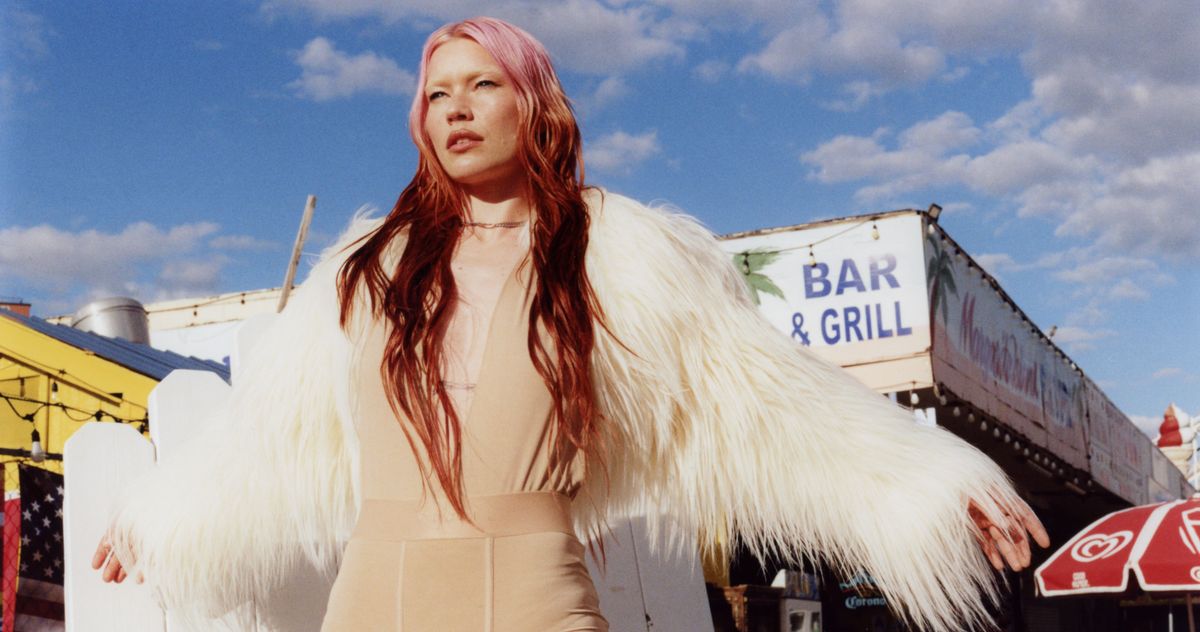
The band’s cheeky queer frontwoman, is conquering indie rock — whether patronizing dudes like it or not.
Wet Leg’s latest success marks a notable moment in indie rock, with their sophomore album securing the top position on the U.K. albums chart and surpassing iconic bands like Oasis. This milestone is not only a testament to their widespread appeal but also reflects a shift in the representation and voice within the genre.
The band’s rise can be largely attributed to the distinctive presence and creative vision of Rhian Teasdale, the group’s frontwoman. Known for her unapologetic attitude towards the male-dominated indie scene, she deliberately challenges traditional expectations of female performers. Her approach includes sartorial choices aimed at antagonizing rather than appealing to the so-called male gaze, which has become a defining aspect of Wet Leg’s image and message.
Related stories
Danielle Fishel Gets Honest About ‘Girl Meets World’ Pay, Says She Knew She Was Disliked on Set for Setting Boundaries (EXCLUSIVE)
Wet Leg was formed by Teasdale and her childhood friend Hester Chambers. Their early work caught the attention of Domino Records after only a handful of tracks were shared online, signaling the label’s confidence in their potential. Their debut album introduced audiences to a collection of festival-ready songs defined by sharp, often misandrist humor, which resonated widely and established their reputation for boldness.
Following their initial breakthrough, Wet Leg maintained momentum with their second album. While their earlier work was characterized by biting commentary and irreverence, the new record introduces more nuanced themes, including love songs, reflecting Teasdale’s evolving personal journey. Her public coming out as queer marks a significant development, highlighting a more complex representation of identity within the band’s narrative.
Teasdale’s personal story is particularly compelling given her late realization and embrace of her queer identity. She has spoken about her unfamiliarity with queer culture during her upbringing and how her relationship with nonbinary musician Lava La Rue provided a profound personal connection. This evolution has influenced not only her music but also her visual presentation, which includes unconventional styling that defies mainstream gender norms.
Musically and stylistically, Wet Leg continues to draw from a diverse range of influences. Teasdale credits early encounters with music, from Kings of Leon to PJ Harvey and Björk, as instrumental in her development. The band also shares an affinity for contemporary indie acts such as Big Thief, reflecting their rootedness in both past and present indie rock traditions.
Their songwriting process appears grounded and intimate, with some tracks recorded in informal settings like a band member’s family home, underscoring their DIY ethos. This approach complements their accessible yet incisive sound, which resonates with fans who appreciate the blend of rawness and pop sensibility.
The band’s international exposure, including tours across Japan, Australia, and New Zealand, underscores their growing global footprint. Notably, collaborations and interactions with other prominent musicians, such as Harry Styles, have helped elevate their profile. Styles’ cover of one of their songs and his invitation for them to join his tour exemplify how Wet Leg’s appeal transcends niche indie circles.
Despite their success, certain aspects of Wet Leg’s trajectory remain open, such as how their evolving themes and identity expressions will influence future projects and audience reception. The commitment to subverting gender norms and challenging industry expectations signals an ongoing evolution that could shape their catalogue and public persona well beyond their current achievements.
From a broader perspective, Wet Leg’s emergence symbolizes a refreshing disruption in indie rock’s traditional landscape. Their assertive embrace of queer identity and refusal to conform to established norms may encourage other artists to explore more diverse narratives. This shift holds implications not only for the genre’s artistic direction but also for the economics of indie music, where authenticity and boundary-pushing can drive both critical and commercial success.
Additionally, the band’s touring strategy, marked by participation in international festivals and alignment with established artists, showcases a savvy approach to expanding their fanbase globally. This method balances grassroots credibility with mainstream opportunities, a model that other emerging acts might emulate.
For fans, Wet Leg’s candidness and offbeat humor foster a strong connection that transcends typical artist-listener dynamics. Their openness about identity and personal growth invites engagement on multiple levels, potentially cultivating a loyal and diverse audience invested in the band’s ongoing narrative.
Overall, Wet Leg’s continued ascent demonstrates how contemporary indie rock can evolve by incorporating authentic personal stories, challenging industry stereotypes, and blending humor with social commentary. Rhian Teasdale’s leadership and the band’s collective creativity position them as notable influencers in shaping the genre’s future.
Full story & global impact
This article was synthesized and rewritten by MusicTop Editorial from reporting published by thecut.com. Read the publisher's report for the complete source context.
Read original source: thecut.com