It’s about time Wonderwall usurped Sweet Caroline as England’s football anthem
Published July 10, 2026 · US
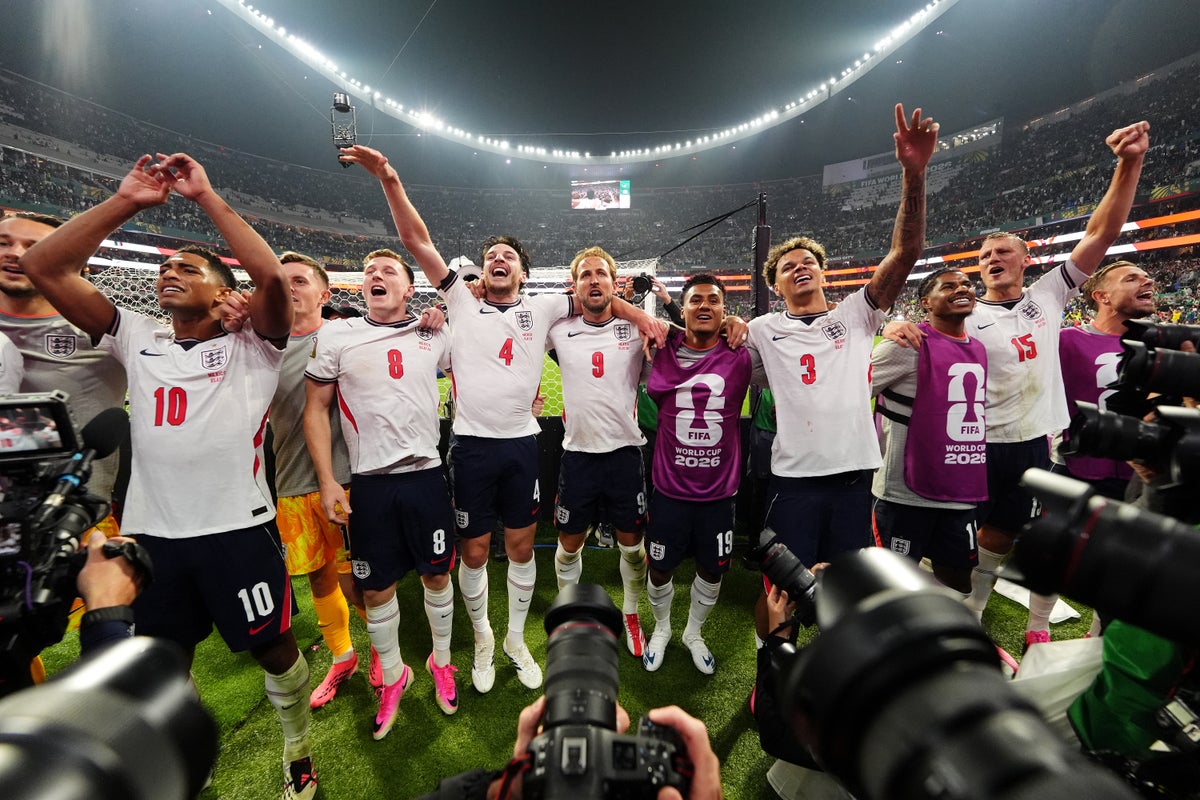
The Oasis song has enjoyed a sudden revival at the 2026 World Cup – and there could hardly be a more appropriate soundtrack to Thomas Tuchel’s reign, writes Louis Chilton
As the 2026 World Cup unfolds, a notable shift is taking place within the musical landscape of England’s football fandom. Traditionally associated with sing-alongs like "Sweet Caroline," the atmosphere at matches and fan gatherings is now resonating with the distinctive chords of Oasis’s "Wonderwall."
This resurgence of "Wonderwall," a song originally released by Oasis in the mid-1990s, aligns with significant developments within England’s national football setup. The tune has found renewed relevance as supporters seek a soundtrack that reflects both contemporary sentiments and a sense of unity under the current leadership of Thomas Tuchel.
Related stories

Tuchel, who has recently taken charge of the England team, is overseeing a period of transition that has invigorated fans and players alike. The adoption of "Wonderwall" as an informal anthem appears to mirror this fresh chapter, with its emotive melody and anthemic quality providing an apt backdrop to the team’s aspirations and challenges.
Historically, "Sweet Caroline" by Neil Diamond has dominated as the crowd’s go-to football anthem, cherished for its catchy chorus and communal spirit. However, the spontaneous revival of "Wonderwall" during the 2026 tournament suggests a cultural pivot, as fans gravitate toward a song that arguably encapsulates the blend of nostalgia and modernity embodied by the current squad.
The song’s association with Oasis, a band emblematic of British rock’s heyday, adds layers of cultural significance. Its rise as a football chant underscores how music and sport intersect to shape national identity and collective experience. Moreover, the lyrical ambiguity of "Wonderwall" allows it to be embraced by diverse audiences, lending it versatility as a unifying chant.
While detailed data on the extent of "Wonderwall’s" adoption across different venues remains limited, reports indicate that the song’s presence has been particularly strong in fan zones and stadiums where England supporters convene. This newfound popularity is influencing how football culture is expressed through music, potentially redefining staple anthems for years to come.
The timing of this musical shift coincides with England’s ambitions on the football field, as the team aims to leverage both tactical innovation and fan engagement under Tuchel’s management. The emotional resonance of "Wonderwall" could be contributing to a heightened sense of solidarity among supporters, fostering an atmosphere conducive to collective hope and encouragement.
Ultimately, the emergence of "Wonderwall" as a prominent anthem during the 2026 World Cup illustrates the dynamic relationship between sports and popular music. It highlights how evolving team narratives, managerial changes, and fan culture converge to influence the soundtrack of a nation’s sporting moment.
As the tournament progresses, it remains to be seen whether "Wonderwall" will cement its place alongside or even supplant "Sweet Caroline" in the hearts of England’s football fans. Nevertheless, its current revival marks a significant cultural moment, reflecting broader trends in music preference and national sentiment within the football community.
Full story & global impact
This article was synthesized and rewritten by MusicTop Editorial from reporting published by NewsAPI (original source unavailable). Read the publisher's report for the complete source context.
Original source link unavailable · Source: NewsAPI (original source unavailable)