Why Concert Tickets Have Become So Expensive And What’s Driving The Surge
Published July 19, 2026 · US

Concert ticket prices have surged in recent years. Learn what's driving higher costs, from dynamic pricing and resale markets to production expenses and demand.
Concert attendance has become a more costly experience in recent years, with ticket prices climbing noticeably across various genres and venues. This upward trend reflects a complex blend of industry practices and market forces reshaping how live music is valued and sold.
One significant driver of higher ticket prices is the adoption of dynamic pricing models by promoters and venues. Instead of fixed ticket costs, prices now fluctuate in response to real-time demand indicators. This approach aims to maximize revenue but often pushes prices upward during peak sales periods or for highly sought-after acts.
Related stories


The resale market also contributes substantially to the inflation of ticket prices. Secondary platforms allow fans to obtain tickets after initial sales, but these brokers frequently list tickets at marked-up prices. This ecosystem creates a competitive environment where face-value pricing is often overshadowed by speculative buying and reselling.
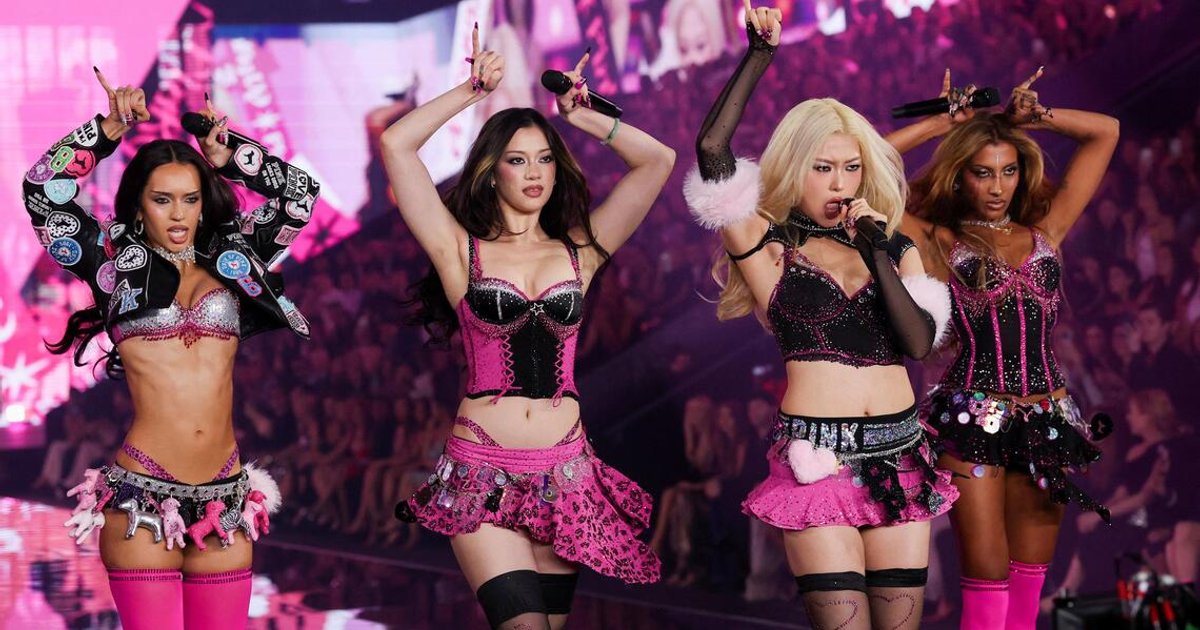
In parallel, the production elements of live shows have grown more elaborate and costly. Advances in stage design, lighting, sound technology, and special effects enhance concert experiences but require larger investments. These expenses are typically incorporated into ticket pricing to offset increasing overheads.
Demand for live music remains robust, especially as audiences seek communal and immersive experiences post-pandemic. This heightened interest has encouraged promoters to schedule fewer shows with higher ticket costs, leveraging scarcity to boost revenue per event.
Geographical factors also influence pricing structures. Metropolitan areas with dense populations and higher disposable incomes often see steeper ticket prices compared to smaller markets. Venue size and prestige further affect price points, with iconic arenas commanding premium rates.
While artists benefit from greater earnings through these mechanisms, the financial barriers may alienate segments of the fanbase, raising discussions about accessibility and fairness in live music culture. Some industry stakeholders are exploring solutions to balance profitability with inclusivity.
Despite these insights, specific data on ticket price inflation rates, regional comparisons, and the impact on attendance figures remain limited in the available research. Further investigation is necessary to fully understand the long-term implications for fans and the live music economy.
In sum, the surge in concert ticket prices can be attributed to dynamic pricing strategies, the influence of resale markets, increased production costs, and sustained consumer demand. These elements collectively redefine the economics of live music, shaping the concert-going experience for artists and audiences alike.
Full story & global impact
This article was synthesized and rewritten by MusicTop Editorial from reporting published by NewsAPI (original source unavailable). Read the publisher's report for the complete source context.
Original source link unavailable · Source: NewsAPI (original source unavailable)