Charli XCX has entered a new era. Here’s why pop’s biggest transformations are no longer just about the music
Published July 24, 2026 · US
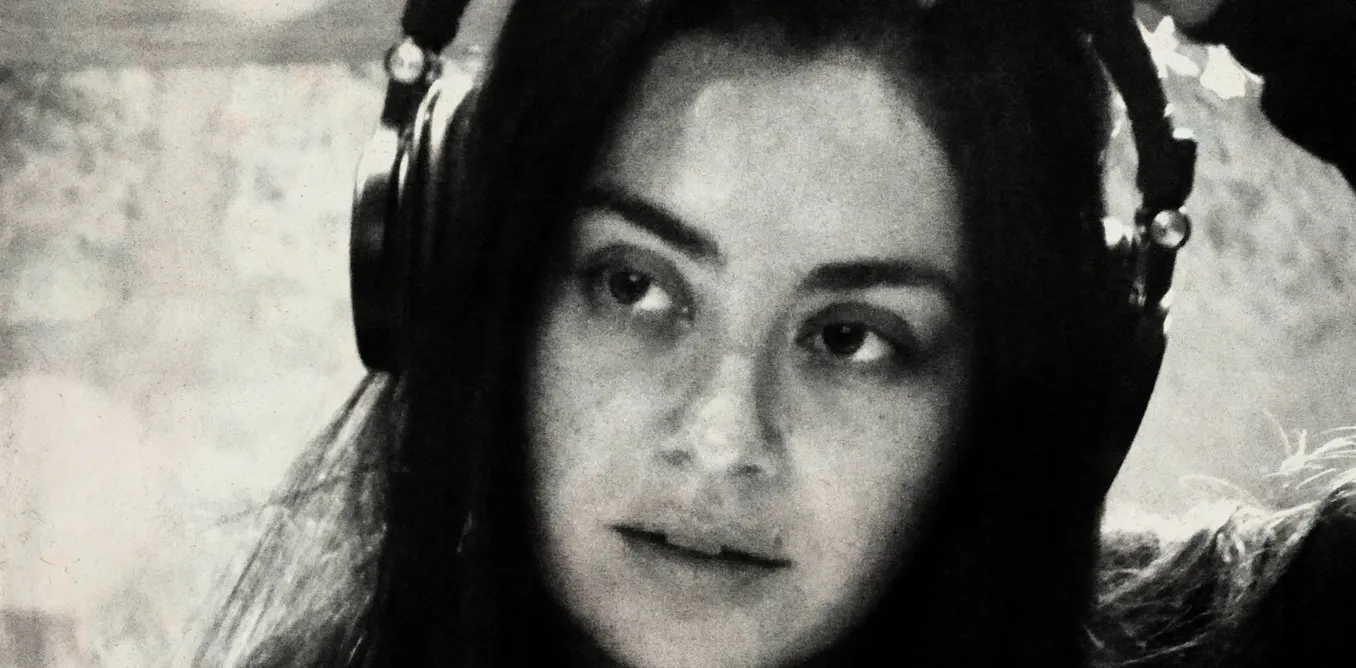
Albums have become centrepieces of wider cultural worlds built through visuals, personal stories and fan participation.
In contemporary pop music, the concept of an album has transcended its traditional boundaries to become the nucleus of broader artistic and cultural experiences. Leading this shift is Charli XCX, whose recent projects exemplify how albums now serve as gateways into immersive eras defined not only by sound but also by visuals, narratives, and interactive fan engagement.
Historically, pop artists have reinvented themselves through distinct phases, each marked by unique aesthetics and musical direction. Icons such as David Bowie and Madonna pioneered this model, using persona shifts to reimagine their artistry. More recently, Beyoncé’s carefully curated eras—from the groundbreaking Lemonade to the dance-centric Renaissance and her latest Cowboy Carter project—demonstrate deliberate stylistic transformations that create distinct cultural moments.
Related stories
 Charli XCX dresses up as sexy secretary Lee Holloway from the erotic Noughties film for Kendall Jenner's star-studded Halloween bash (but the host keeps her look under wraps!)
 Charli XCX opens up her wardrobe to fans as she sells her tour looks and clothes from her personal archive on Vinted to raise money for charity
 Vinted Partners With Charli XCX for ‘Music, Fashion, Film’ Tour
Taylor Swift’s Eras Tour has further crystallized this phenomenon by encouraging fans to perceive each album as a separate world, fostering a structured engagement that spans years. These eras do not exist in isolation but are amplified and circulated through social media platforms, where fans actively participate in shaping their meaning and reach.
Albums today function as core elements within expansive multimedia landscapes. Visual identity, personal storytelling, and fan collaboration have become integral to how music is received and interpreted. Supplementary releases such as deluxe editions, remixes, and companion projects blur the lines between discrete albums, suggesting that these multiple components collectively represent a single creative chapter.
Fan participation is central to this dynamic. Digital platforms enable audiences to contribute creatively—through memes, video edits, fashion, and discussions—thereby extending the album’s influence beyond listening. Artists often nurture this by teasing visuals and thematic clues before a release, inviting the audience to co-create the narrative and aesthetic of an era.
Charli XCX’s 2024 album Brat exemplifies this model. Its vivid lime green artwork and intentionally chaotic style quickly became emblematic of the project’s rebellious spirit. Fans embraced and expanded this aesthetic universe online, creating a vibrant ecosystem around the album’s themes. A notable instance was the viral TikTok dance "apple dance," originally devised by a fan and later performed by Charli herself, illustrating a symbiotic relationship between artist and audience.
With the 2026 release of Music, Fashion, Film, Charli XCX signaled a new artistic chapter. Departing from Brat’s energetic club vibe, this album adopts a more cinematic and fashion-forward approach with clear rock influences. The cover art, a collage of figures from various cultural sectors, invites fans to remix and personalize it via a dedicated website, fostering anticipation through collaborative creativity even before the music’s debut.
The lead single Wink Wink, with its playful repudiation of previous personas, underscores a conscious stylistic pivot. Charli’s openness about her albums often contradicting one another highlights reinvention as a core creative strategy, making each era a distinct exploration rather than a continuation.
Parallel to Charli, Ariana Grande’s 2026 album Petal embraces eras through emotional transparency and personal revelation rather than bold visual reinvention. Grande framed this project as an unguarded, more instinctual expression, signaling a thematic departure with monochrome visuals and a return to familiar imagery that suggested a reconnection with her authentic self post-acting ventures.
These evolving pop eras reveal that fans not only consume but actively co-author the cultural significance of albums. While some welcome these transformations enthusiastically, others may resist changes that deviate from familiar sounds or images, sparking dialogue that further defines the era’s contours.
Ultimately, the modern album is less a static product and more a living cultural space. It thrives through continuous reinterpretation and fan involvement, blending music with identity and meaning over time. This evolution underscores how contemporary pop music is experienced as a series of eras, each sustained by the creative interplay between artists and their audiences, reshaping the landscape of popular culture.
Full story & global impact
This article was synthesized and rewritten by MusicTop Editorial from reporting published by theconversation.com. Read the publisher's report for the complete source context.
Read original source: theconversation.com