US singer D4vd to stand trial in killing of 14-year-old girl
Published July 28, 2026 · US
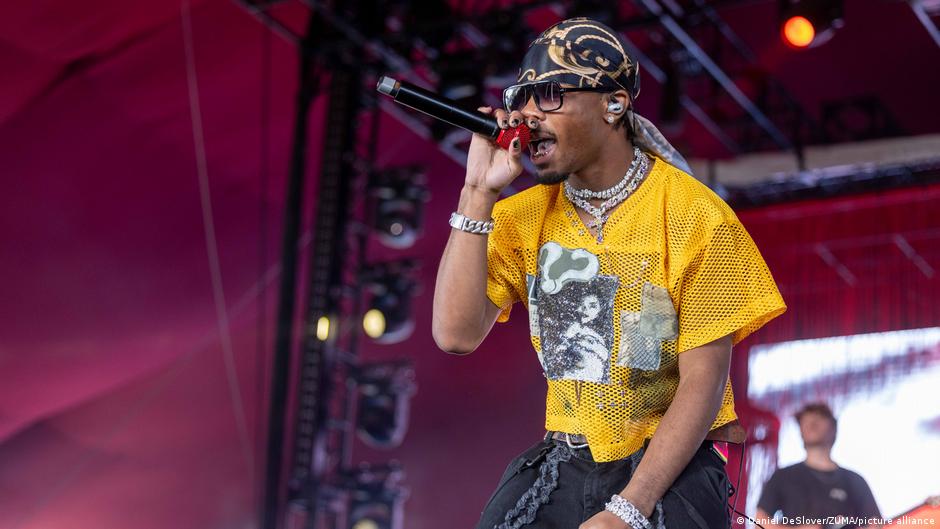
D4vd is accused of murdering 14-year-old Celeste Rivas Hernandez in 2025. Prosecutors allege that he dismembered her body and drove around with her decomposing remains in his car. Content warning: This article discusses child sexual abuse and murder. A US ju…
David Burke, known professionally as the singer D4vd, has been ordered to stand trial in Los Angeles following accusations related to the death of 14-year-old Celeste Rivas Hernandez. The charges include murder, sustained sexual abuse of a minor, and unlawful mutilation of human remains, marking a grim chapter for the artist who once garnered widespread attention for his music.
The case centers on events from September 2025, when authorities discovered Hernandez's dismembered and decomposing body in a Tesla registered to Burke. Investigations reveal a disturbing history, alleging that Burke engaged in an illegal sexual relationship with Hernandez beginning when she was just 13 years old. The singer, then 18, reportedly met the young girl when she was 11. This timeline has intensified scrutiny around the nature of their interactions and the involvement of their families.
Related stories

Court documents and testimonies during a five-day evidentiary hearing disclosed that both families were aware of the relationship. Notably, Rivas Hernandez’s parents had reportedly consented to her traveling abroad with Burke to London for a week. However, the relationship's legality and morality have been fiercely challenged by prosecutors who maintain that it constituted ongoing sexual abuse.
Further details that emerged during the hearing include text messages from Hernandez indicating a pregnancy and subsequent abortion, underscoring the complex and troubling dynamics at play. In the day preceding her death, prosecutors presented evidence of hostile and threatening messages from Hernandez toward Burke, allegedly fueled by jealousy and fears of exposure.
The prosecution’s case outlines a chilling sequence: after summoning Hernandez via Uber to his residence, Burke is accused of fatally stabbing her. Following the killing, he purportedly attempted to mask his actions through text messages that conveyed concern over her whereabouts.
A significant aspect of the case involves Burke’s procurement of tools under an alias, including chainsaws, a shovel, and an inflatable pool, which prosecutors allege were used in the dismemberment of the victim’s body in his garage. DNA evidence linked to Hernandez was found at the scene. Additionally, Burke reportedly purchased a portable incinerator that was insufficient for destroying the remains.
Prosecutors contend that after the murder, Burke transported the victim’s remains in his vehicle for several weeks until the Tesla was eventually impounded in Hollywood. This prolonged concealment of the crime scene has been cited as evidence of deliberate intent, dismissing any notion of accidental death.
Despite the gravity of the charges, Burke has entered a plea of not guilty. His defense maintains that there is no proof of an intentional killing, framing the case as lacking deliberate malice. Meanwhile, prosecutors have indicated that they are still considering whether to pursue the death penalty.
Burke’s rise in the music industry was marked by his viral 2022 hit “Romantic Homicide,” which earned him a significant following on platforms like TikTok and SoundCloud. By April 2025, he performed at the Coachella festival and released his debut album "Withered," coinciding closely with the timeline of the alleged crimes.
This case highlights a profound and tragic intersection between celebrity culture and criminal justice. It raises critical questions about accountability and the responsibilities of guardians in situations involving minors and influential figures. As the trial approaches, the music world watches closely, grappling with the complexities behind an artist whose promising career is now overshadowed by severe criminal allegations.
For those impacted by gender-based violence or abuse, resources and support networks remain vital. Trusted helplines and organizations continue to offer assistance in navigating such difficult circumstances, emphasizing the importance of awareness and prevention within communities.
Full story & global impact
This article was synthesized and rewritten by MusicTop Editorial from reporting published by dw.com. Read the publisher's report for the complete source context.
Read original source: dw.com