Bayreuth Festival: Ceremony and commemoration
Published July 29, 2026 · US

To mark its 150th anniversary, the Bayreuth Festival remembers victims of the Holocaust — and confronts its founder's antisemitism.
In a significant departure from its traditional celebrations, this year’s Bayreuth Festival commemorated its 150th anniversary with a pronounced focus on remembrance and reckoning. The festival, renowned for its dedication to Richard Wagner’s operatic legacy, opened with ceremonies emphasizing the tragic history of Jewish artists silenced during the Nazi era, marking a renewed commitment to confronting the darker chapters intertwined with its past.
Central to the opening events was a commemorative program titled "Silenced Voices," which honored Jewish contributors to the festival who were persecuted or murdered under the Nazi regime. German-Jewish author Michel Friedman emerged as a pivotal figure during the two-day commemoration, delivering a profound address that transcended historical acknowledgment to tackle contemporary societal issues. Friedman's reflections underscored the persistent dangers of hatred and societal complacency, urging attendees and wider society to actively oppose growing intolerance.
Related stories
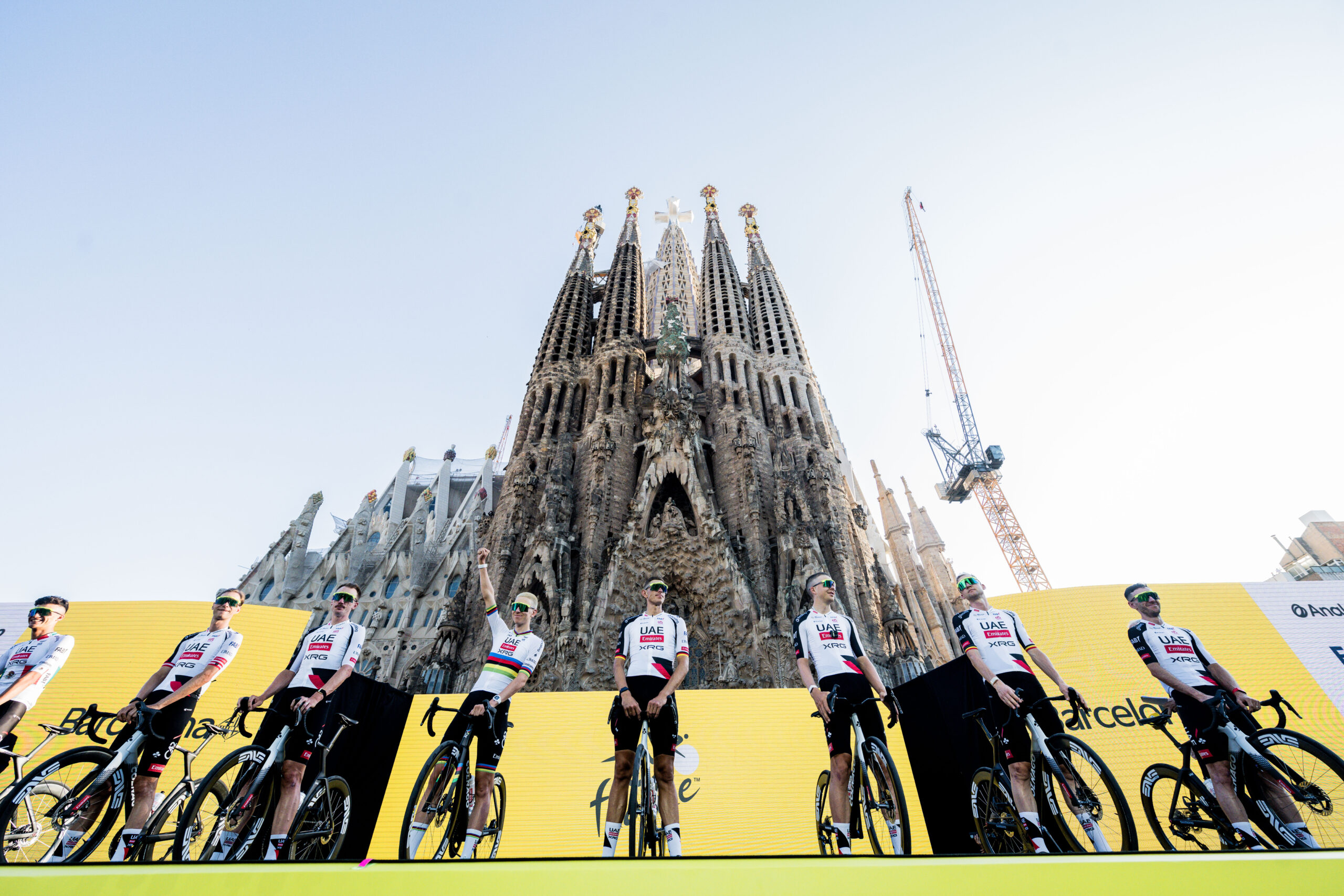 Tickets for Edinburgh Tour de France opening ceremony on sale for as much as £99, despite previous team presentations being free of charge
 John Anderson, country music legend, dead at 71 — days after attending Country Music Hall of Fame ceremony
 Tim McGraw, Paul Overstreet, and the Stanley Brothers Join Country Music Hall of Fame in Emotional Medallion Ceremony
The remembrance extended into the physical space surrounding the festival, where memorial steles stand adjacent to a bust of Richard Wagner. These gray monoliths bear the names of Jewish artists whose lives were extinguished, accompanied by prayers from the local Jewish community, symbolizing a solemn space of reflection within the festival grounds.
The festival’s leadership also embraced a candid confrontation with its historical associations. Katharina Wagner, the festival’s artistic director and a descendant of the Wagner family, openly addressed her lineage’s ties to the Nazi regime and the festival's role as a cultural emblem during that period. Her statements framed the Bayreuth Festival not only as a site of artistic celebration but also as a platform to reject antisemitism, racism, and nationalism, which she noted continue to threaten democratic values today.
This year’s celebrations attracted a high-profile audience, including German Chancellor Friedrich Merz and former Chancellor Angela Merkel, reflecting the event’s cultural and political significance. Merz’s speech offered a nuanced perspective on Wagner’s legacy, highlighting the composer’s embodiment of both Germany’s artistic brilliance and its historical contradictions. He emphasized that engaging with Wagner’s oeuvre provides a unique lens through which to confront and understand these complexities.
Artistically, the festival featured a prominent mural by Hungarian street artist Adam Heat, which encapsulated 150 years of Bayreuth’s history. The piece portrayed key figures such as King Ludwig II of Bavaria, who financially supported Wagner, as well as conductors and family members instrumental in the festival’s evolution. Notably, Adolf Hitler appeared in the mural, a stark reminder of the festival’s controversial Nazi-era connections and the ongoing necessity of historical transparency.
The inclusion of contemporary figures like conductors Oksana Lyniv and Nathalie Stutzmann alongside historical personalities symbolized the festival’s bridging of past and present. Nike Wagner, great-granddaughter of Richard Wagner, highlighted this continuity by reflecting on the shared experience of those who have attended the festival across generations, reinforcing the weight of collective memory embedded in the venue.
Through these layered commemorations and frank discourse, the Bayreuth Festival has initiated a critical chapter in its cultural narrative. By intertwining artistic homage with a forthright acknowledgment of its historical entanglements, the festival asserts a clear stance against antisemitism and affirms diversity as fundamental to Germany's future. This approach not only honors those lost but also challenges audiences to remain vigilant against the resurgence of intolerance.
Details about the festival’s broader programming and further initiatives on remembrance beyond the opening ceremonies remain limited. However, this anniversary has undeniably positioned the Bayreuth Festival as a platform for both artistic excellence and profound social reflection, setting a precedent for future engagements with its complex legacy.
Full story & global impact
This article was synthesized and rewritten by MusicTop Editorial from reporting published by dw.com. Read the publisher's report for the complete source context.
Read original source: dw.com