“We’re seeing some insane new records”: Why are Tour de France speeds getting higher and higher? + Dispatches from the Alps and Paris
Published July 31, 2026 · US
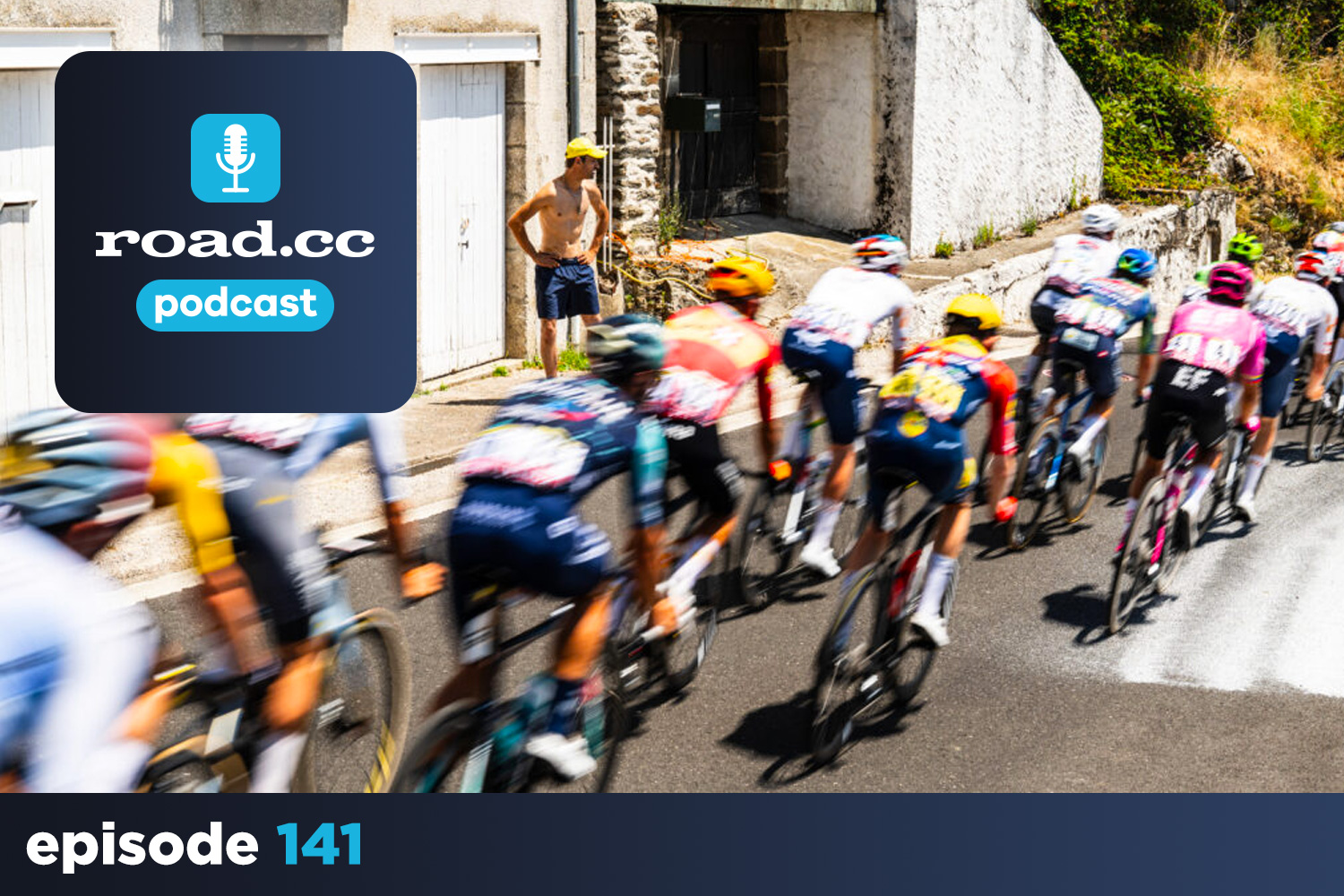
The 2026 men’s Tour de France was characterised by four key themes: the stifling heat that threatened to overshadow the race’s first half, the unflinching, never-ending dominance of five-time winner Tadej Pogačar, and the night-time doping tests that divided …
The 2026 edition of the Tour de France has distinguished itself as the fastest in the event's history, with an average speed exceeding 43 km/h over its demanding 3,333-kilometer course. This remarkable pace underscored a race that balanced extreme weather conditions, exceptional athletic performances, and ongoing debates about the sport’s integrity.
Throughout the three-week spectacle, riders confronted intense heat that posed a persistent challenge during the race's opening stages. Despite these demanding conditions, the competition remained fierce, led by the relentless dominance of five-time champion Tadej Pogačar. His performance not only secured him another victory but also saw him shatter long-standing climbing records, including a new fastest ascent of the iconic Alpe d’Huez, eclipsing a benchmark set over three decades ago.
Related stories

The 2026 race also witnessed other remarkable feats on the climbs, with multiple riders from the current peloton joining Pogačar in achieving times that rival some of the greatest ascents recorded between the mid-1990s and early 2000s. These advances highlight a generational shift in climbing prowess and endurance within professional cycling.
Speed milestones were not confined to the mountains. Stage 11 into Nevers featured a historic performance by Søren Wærenskjold of Uno-X, who set a new record for the fastest road stage in Tour history, averaging nearly 51 km/h. Additionally, stage 13, spanning from Dole to Belfort, ranked among the race’s top four fastest stages ever recorded, further cementing this Tour’s reputation for unprecedented velocity.
The surge in speeds has prompted scrutiny and discussion among team leaders, sports directors, and anti-doping advocates. Conversations held during the final week of racing reveal a complex interplay between enhanced athletic conditioning, technological advancements, targeted doping controls, and evolving race strategies. Key figures such as UAE Team Emirates principal Mauro Gianetti and Netcompany Ineos racing director Geraint Thomas provided insight into how their teams have adapted to and contributed to these heightened performance levels.
Anti-doping remains a focal point of the discourse surrounding cycling's current trajectory. Efforts to maintain the sport’s credibility include intensified night-time testing protocols, which have sparked debate regarding their effectiveness and impact on riders. Advocacy groups, represented in discussions by figures like Emily Brammeier of the Movement for Credible Cycling, emphasize the importance of transparency and rigorous enforcement to uphold trust in the competition.
Beyond the competition itself, the Tour’s cultural and communal aspects were vividly on display. Enthusiasts journeyed to iconic locations such as Alpe d’Huez and the Col du Galibier, immersing themselves in the race’s atmosphere and traditions. The climax on Parisian streets, weaving through Montmartre and the Champs-Élysées, provided a grand finale that combined historic charm with the raw excitement of modern sport.
The 2026 Tour de France thus emerges as a landmark event that reflects both the evolution of cycling performance and the enduring allure of the race’s storied course. While record-breaking speeds have redefined expectations, the ongoing challenges related to environmental conditions and ethical oversight suggest the sport is navigating a pivotal moment in its development.
Full story & global impact
This article was synthesized and rewritten by MusicTop Editorial from reporting published by road.cc. Read the publisher's report for the complete source context.
Read original source: road.cc