Gen Z Is Buying Old iPods to Quit Spotify. Fiio’s $50 Hi-Fi MP3 Player Does It Better.
Published August 1, 2026 · US
Gen Z Is Buying Old iPods to Quit Spotify. Fiio’s $50 Hi-Fi MP3 Player Does It Better.I tried to listen to an album last week. The whole thing, start to finish, like a functioning adult in the 90s. I made it...
In a notable shift away from mainstream music streaming, a growing segment of Generation Z is seeking refuge in standalone music players. This trend reflects a desire to circumvent the constant interruptions and distractions associated with smartphones and streaming platforms like Spotify.
Users are increasingly acquiring discontinued Apple iPods, despite the product line being discontinued in 2022. Online platforms report a surge in refurbished iPod sales, growing approximately 15% annually. These devices are prized for their simplicity and ability to play music without notifications or apps that fragment attention. Some students have even adopted iPods to discreetly listen to music in environments where phone use is restricted.
Related stories


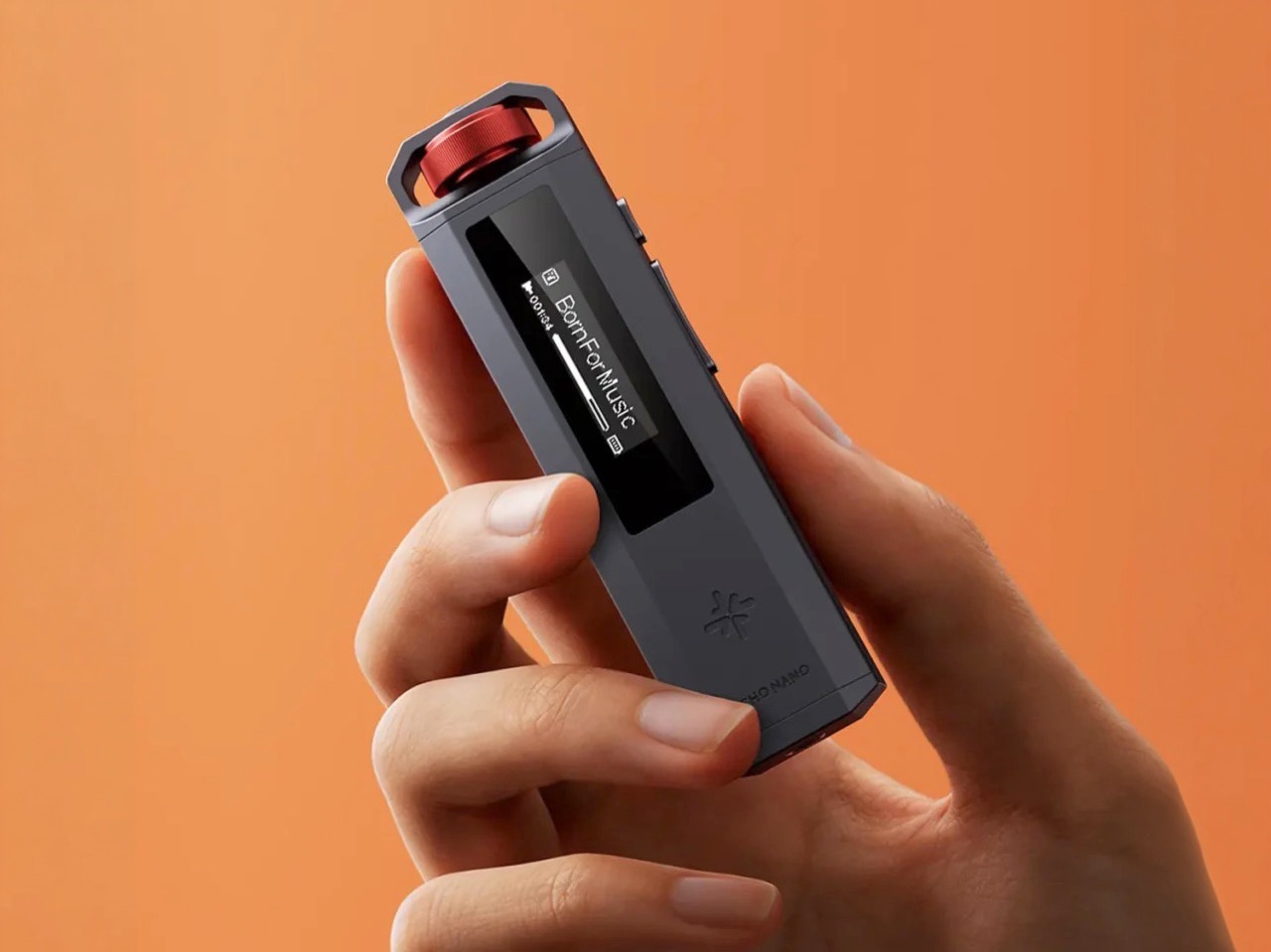
Recognizing this cultural undercurrent, audio equipment manufacturer FiiO introduced the Snowsky Echo Nano, a compact Hi-Fi MP3 player priced at $49.99. Unlike older devices, the Echo Nano incorporates advanced digital-to-analog conversion technology (DAC) and supports high-resolution audio decoding formats such as DSD256, features once exclusive to premium hardware.
The Echo Nano intentionally embraces minimalism and tactile controls, countering the trend of maximizing convenience through digital interfaces. It features a small monochrome OLED screen incapable of displaying album art or notifications, emphasizing the user’s focus on music without distractions. Its design diverges from Apple’s iconic rectangular form, instead drawing inspiration from Sony’s Network Walkman aesthetics, with a vertical, hexagonal body and a sturdy lanyard attachment.
The player’s sole control is a knurled dial that manages power, volume, and playback, underscoring a philosophy of "friction-maxxing"—the deliberate choice to engage with technology in a more intentional and less seamless way. This concept resonates with those fatigued by the constant ease and immediacy of streaming services, who prefer the deliberate act of loading music files and physically interacting with their device.
Battery life on the Echo Nano is around seven hours, sufficient for typical daily use but requiring regular charging. Storage capacity can be expanded up to 256GB via microSD cards, supporting extensive personal music libraries. The inclusion of a 3.5mm headphone jack is a nod to audio purists and remains a rarity in many modern devices.
Financially, the Echo Nano presents a compelling alternative to subscription streaming. While services like Spotify and Apple Music require ongoing payments averaging $144 annually, the Echo Nano’s one-time cost provides ownership over music files, appealing to listeners wary of the impermanence and recurring fees of streaming catalogs.
Comparatively, used iPod Classics with aging hardware and limited battery longevity often command higher prices in the secondary market, sometimes exceeding $150. The Echo Nano, by arriving new with modern components, offers similar functionality with potentially better reliability and sound quality.
Moreover, the device doubles as a USB DAC when connected to computers or smartphones, providing improved audio output beyond its primary role as a standalone player. This feature reflects a nuanced relationship with smartphones—users are not abandoning them entirely but rather creating a dedicated space for uninterrupted music enjoyment.
This emerging preference signifies a subtle rebellion against the omnipresence of smartphones and streaming services. By investing in dedicated hardware, listeners reclaim a focused auditory experience, underscored by physical interaction and ownership, aligning with a broader cultural shift towards intentional media consumption.
Full story & global impact
This article was synthesized and rewritten by MusicTop Editorial from reporting published by yankodesign.com. Read the publisher's report for the complete source context.
Read original source: yankodesign.com