A Street Musician at Heart
Published August 1, 2026 · US
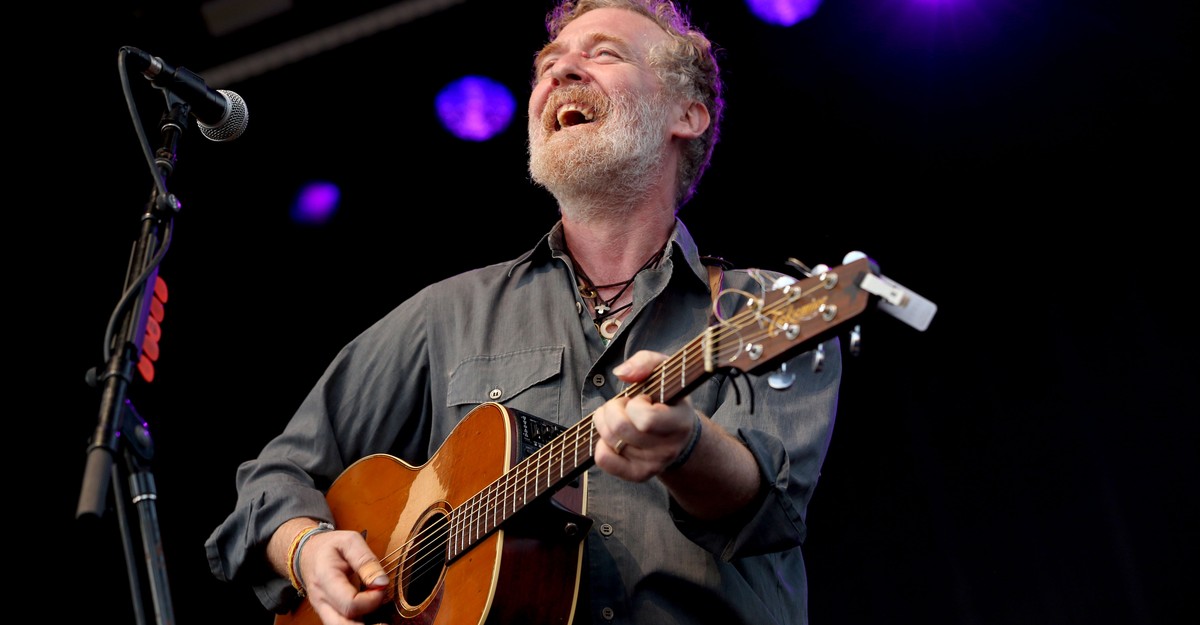
The Oscar-winning performer Glen Hansard, who died this week, never forgot his busking roots.
Glen Hansard, the revered Irish singer-songwriter and Oscar-winning musician, passed away this week at the age of 56. Known internationally for his breakout role in the 2007 film Once, Hansard's journey was rooted deeply in the unvarnished world of street performance. His career spanned more than four decades, marked by an enduring connection to the streets of Dublin where he first learned his craft.
Hansard’s reputation as a raw and genuine artist was forged in the tough environment of busking. He left school at 13 to pursue music full-time, a decision that shaped his artistic identity. The challenges and unpredictability of performing in public spaces taught him resilience and humility, qualities that remained central throughout his life. Colleagues and fans alike have celebrated him as a musician who never allowed fame or accolades to distance him from his grassroots beginnings.
Related stories

His breakthrough to a wider audience came through the indie film Once, where he portrayed an Irish busker who forms a musical bond with a Czech pianist, played by Markéta Irglová. Their collaboration led to the Oscar-winning song “Falling Slowly,” a poignant ballad that showcased Hansard's emotive songwriting and unfiltered vocal delivery. Despite this Hollywood success, Hansard remained true to the modest origins that shaped him, famously performing at the Academy Awards with his well-worn Takamine guitar, affectionately nicknamed “the Horse.”
Much of Hansard’s artistry was defined by a lack of pretense and an embrace of imperfection. A 2015 video captures him performing “Say It to Me Now” in a simple backyard setting, his guitar sustaining a snapped string mid-song. Rather than disrupting the performance, he adapted effortlessly, a testament to his seasoned street musician’s mentality. This blend of vulnerability and mastery was emblematic of his music and stage presence.
Beyond his solo work, Hansard led the Frames, one of Ireland’s most influential rock bands, and formed the folk duo the Swell Season with Irglová. His output included numerous albums over the years, with his final two-volume retrospective titled Don’t Settle, underscoring a relentless drive for artistic integrity and growth. At the time of his death, he was reportedly working on new material, indicating an unfinished chapter in a prolific career.
Hansard’s impact within the music community was profound. Fellow artists praised not only his creative influence but also his generosity and mentorship. Irish rock icon Bono described him as the “voice of the streets,” highlighting Hansard’s unique ability to channel the spirit of everyday life into his music. Known for his inclusive attitude, Hansard frequently blurred the lines between performer and audience, inviting fans and fellow musicians alike to share the stage and experience music as a collective.
This ethos was vividly illustrated during a 2023 reunion tour for Once at New York’s Radio City Music Hall. Hansard surprised the audience by inviting a young Boston street musician to perform alongside him, stepping away from the spotlight to simply share a moment rooted in their common origins. Such gestures reinforced Hansard’s belief that music should be accessible, communal, and devoid of hierarchy.
Despite collaborations with notable figures like Eddie Vedder and Bruce Springsteen and multiple Grammy nominations, Hansard’s core identity never shifted from that of a busker. His music was always about connection, storytelling, and the shared human experience rather than fame or commercial success. Whether playing in intimate pubs, large arenas, or on the streets, he maintained an authenticity that endeared him to audiences around the world.
Glen Hansard’s untimely death leaves a significant void in contemporary music. While details about the circumstances remain limited, the legacy he forged as a troubadour who bridged gaps between artist and listener continues to resonate. His commitment to inclusivity and artistic honesty offers an enduring example, reminding us of the power music holds to unite and inspire across boundaries.
Full story & global impact
This article was synthesized and rewritten by MusicTop Editorial from reporting published by theatlantic.com. Read the publisher's report for the complete source context.
Read original source: theatlantic.com